C01
C01


Bateria domowa do zasilania awaryjnego bez paneli słonecznych: czy to się opłaca?
Dla wielu właścicieli domów idea baterii domowej do zasilania awaryjnego jest ściśle związana z panelami słonecznymi. Te dwa rozwiązania są często sprzedawane razem jako kompletny system niezależności energetycznej. Ale co, jeśli wynajmujesz mieszkanie, mieszkasz w zacienionym miejscu, masz restrykcyjną wspólnotę mieszkaniową (HOA) lub po prostu nie jesteś gotowy na inwestycję w fotowoltaikę? Pojawia się pytanie: czy bateria domowa do zasilania awaryjnego bez paneli słonecznych jest samodzielnie opłacalną inwestycją?
Krótka odpowiedź brzmi: tak, ale pełny obraz wymaga zrozumienia, jak działają samodzielne systemy baterii, jakie są ich koszty i korzyści oraz czy odpowiadają Twoim konkretnym potrzebom. Ten przewodnik dokładnie to omawia, pomagając Ci zdecydować, czy bateria domowa bez fotowoltaiki jest właściwym wyborem dla Twojego gospodarstwa domowego. Aby uzyskać szerszy przegląd opcji zasilania awaryjnego, zapoznaj się z naszym obszernym Bateria domowa do zasilania awaryjnego: kompletny przewodnik po zasilaniu awaryjnym dla domu.

Co to jest bateria domowa do zasilania awaryjnego bez paneli słonecznych?
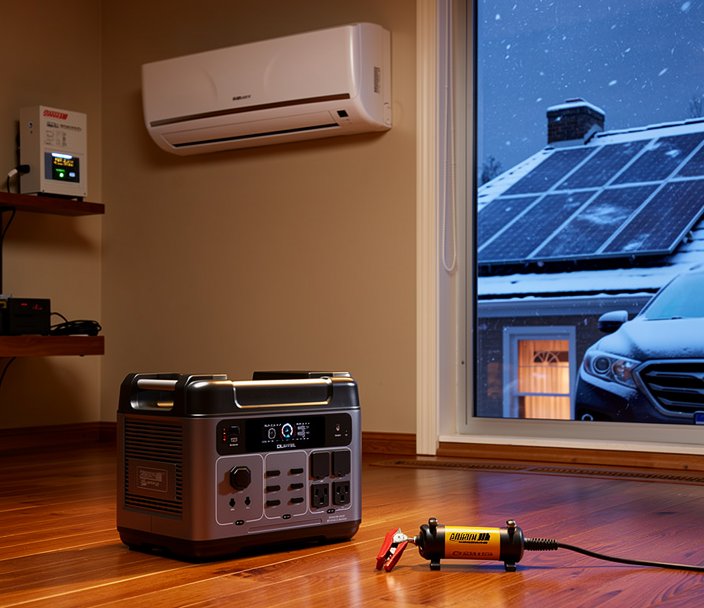
Bateria domowa do zasilania awaryjnego bez paneli słonecznych to system magazynowania energii, który ładuje się wyłącznie z sieci elektrycznej (tzw. ładowanie z sieci), a nie z paneli słonecznych. Systemy te to zazwyczaj przenośne stacje zasilania lub stacjonarne baterie, które przechowują energię elektryczną w okresach niskich taryf lub po prostu jako rezerwę awaryjną.
W przeciwieństwie do tradycyjnego systemu fotowoltaika-plus-magazynowanie, który przechwytuje światło słoneczne i przechowuje je do późniejszego wykorzystania, samodzielny system baterii opiera się wyłącznie na energii z sieci do ładowania. To czyni go bardziej dostępnym i elastycznym rozwiązaniem dla wielu gospodarstw domowych, zwłaszcza tych, które nie mogą zainstalować paneli na dachu ze względu na zacienienie, umowy najmu lub koszty początkowe.
Systemy te są często sprzedawane jako magazyn energii domowej bez paneli słonecznych lub bateria domowa do zasilania awaryjnego bez fotowoltaiki. Działają jako dedykowane źródło zasilania awaryjnego, narzędzie do przesuwania obciążenia lub jedno i drugie.
Jak działa samodzielny system baterii domowej do zasilania awaryjnego?
Zasada jest prosta. Podłączasz system baterii do standardowego gniazdka ściennego, a ładuje się z sieci. Po naładowaniu bateria przechowuje energię w swoich wewnętrznych ogniwach — zazwyczaj litowo-żelazowo-fosforanowych (LiFePO4) w nowoczesnych urządzeniach. Gdy sieć zawiedzie lub gdy zdecydujesz się użyć zgromadzonej energii, wbudowany inwerter baterii przekształca prąd stały na prąd zmienny dla urządzeń domowych.
Większość nowoczesnych przenośnych stacji zasilania, takich jak OUKITEL P2001 Plus, ma dwukierunkowy inwerter i funkcję EPS (Emergency Power Supply). Tryb EPS stale monitoruje energię z sieci. Jeśli sieć zawiedzie, system przełącza się na zasilanie bateryjne w mniej niż 10 milisekund — wystarczająco szybko, aby wrażliwe urządzenia elektroniczne, takie jak komputery i sprzęt medyczny, działały bez przerwy.
Ładowanie z sieci jest wydajne i szybkie. Na przykład OUKITEL P2001 Plus może naładować się do 80% w zaledwie 1 godzinę i w pełni naładować w 1,5 godziny przy użyciu wejścia AC o mocy 1800W. Ta szybka rotacja oznacza, że możesz szybko naładować baterię między przerwami w dostawie prądu lub w okresach pozaszczytowych.
Aby uzyskać bardziej szczegółowe porównanie technologii baterii, zobacz nasz przewodnik na temat Bateria litowa vs kwasowo-ołowiowa do domu: która technologia jest najlepsza?
Kluczowe korzyści baterii domowej do zasilania awaryjnego bez paneli słonecznych
Nawet bez paneli słonecznych samodzielna bateria domowa oferuje kilka istotnych korzyści:
- Zasilanie awaryjne podczas blackoutu: To główny powód, dla którego większość właścicieli domów inwestuje w baterię zapasową. Bateria taka jak OUKITEL P2001 Plus o pojemności 2048Wh może utrzymać lodówkę w działaniu przez ponad 40 godzin, oświetlenie włączone, telefony naładowane i łączność internetową aktywną.
- Przesuwanie obciążenia i oszczędności dzięki taryfom czasowym: Jeśli Twój dostawca energii pobiera wyższe stawki w godzinach szczytu (zazwyczaj po południu/wieczorem), możesz ładować baterię w nocy, gdy prąd jest tańszy, i używać zgromadzonej energii w godzinach szczytu. To obniża rachunek za prąd bez potrzeby instalowania paneli słonecznych.
- Brak konieczności instalacji fotowoltaicznej: Systemy samodzielne są typu plug-and-play. Nie ma potrzeby montażu na dachu, zmian w instalacji elektrycznej, pozwoleń ani wykonawców fotowoltaicznych. To czyni je idealnymi dla najemców, mieszkańców apartamentowców i osób w zacienionych lub objętych restrykcjami HOA nieruchomościach.
- Przenośność: W przeciwieństwie do trwale zainstalowanych baterii słonecznych, przenośne stacje zasilania można przenosić z pokoju do pokoju, zabrać do innej nieruchomości lub używać na kempingu, podczas grillowania czy imprez plenerowych. OUKITEL P2001 Plus waży 22 kg i ma uchwyt do transportu.
- Cicha i bezwonna praca: W przeciwieństwie do generatorów gazowych, baterie domowe nie emitują spalin, nie hałasują i nie wymagają przechowywania paliwa. P2001 Plus pracuje poniżej 50dB — ciszej niż normalna rozmowa.
- Żywotność i trwałość baterii: Nowoczesne baterie LiFePO4, takie jak w P2001 Plus, oferują ponad 3500 cykli, co przekłada się na około 10 lat codziennego użytkowania. Ta długa żywotność sprawia, że początkowa inwestycja staje się bardziej opłacalna w dłuższej perspektywie.
Koszty i oszczędności: czy bateria domowa bez fotowoltaiki jest opłacalna?
To kluczowe pytanie. Odpowiedź w dużej mierze zależy od lokalnych stawek za energię elektryczną, częstotliwości blackoutów i osobistych priorytetów.
Koszt początkowy: Przenośna stacja zasilania o dużej pojemności, taka jak OUKITEL P2001 Plus (2400W, 2048Wh), to znacząca inwestycja, choć zazwyczaj znacznie mniejsza niż całego systemu baterii słonecznych do domu (który może przekroczyć 10 000 USD przed instalacją).
Oszczędności z przesuwania obciążenia: Jeśli Twój dostawca energii stosuje taryfy czasowe (TOU), możesz obniżyć rachunek, ładując baterię w godzinach pozaszczytowych. Na przykład naładowanie baterii 2048Wh w okresie niskiej taryfy (np. 0,10 USD/kWh) kosztuje około 0,20 USD za pełne naładowanie. Wykorzystanie zgromadzonej energii w godzinach szczytu (0,30 USD/kWh) oszczędza około 0,40 USD na cykl. Przez 3500 cykli daje to 1400 USD oszczędności — znaczący zwrot, zwłaszcza w regionach z dużymi różnicami taryfowymi.
Koszt utraconej produktywności i komfortu podczas blackoutu: Przerwa w dostawie prądu może kosztować gospodarstwo domowe setki dolarów w zepsutej żywności, straconym czasie pracy i alternatywnym zakwaterowaniu. Bateria zapasowa eliminuje te koszty.
Brak ulg podatkowych na fotowoltaikę: Bez paneli słonecznych nie możesz skorzystać z federalnej ulgi podatkowej na inwestycje w energię słoneczną (ITC) dla samej baterii, chyba że jest ładowana energią słoneczną przez ponad 75% czasu. To finansowa wada w porównaniu z systemami fotowoltaika-plus-magazynowanie. Jednak niektóre stany oferują rabaty lub zachęty dla samodzielnych baterii — sprawdź lokalne programy.
Werdykt: Jeśli doświadczasz częstych blackoutów lub masz wysokie taryfy TOU, bateria domowa bez fotowoltaiki może się zwrócić w ciągu swojego okresu użytkowania. Jeśli blackouty są rzadkie, a stawki za prąd stałe, wartość polega głównie na spokoju ducha i wygodzie.
Co możesz zasilać samodzielną baterią domową?
Pojemność i moc wyjściowa baterii decydują o tym, co możesz zasilać. Inwerter o mocy 2400W z pojemnością 2048Wh — jak OUKITEL P2001 Plus — może zasilać podstawowe obciążenia domowe.
Typowe urządzenia, które możesz zasilać:
- Lodówka (100-200W): 10-20 godzin
- Zamrażarka (150-300W): 7-14 godzin
- Oświetlenie LED (10-30W): 68-204 godzin
- Router Wi-Fi i modem (10-20W): 100-200 godzin
- Laptop (50W): 40 godzin
- Aparat CPAP (30-60W): 34-68 godzin
- Mały telewizor (40-80W): 25-51 godzin
- Ładowanie telefonu (5-10W): ponad 200 ładowań
- Kuchenka mikrofalowa (1000W): 2 godziny (ograniczone pojemnością Wh)
- Czajnik elektryczny (1500W): około 1,3 godziny pracy
Czego nie możesz zasilać w sposób ciągły: Klimatyzacja całego domu (3000-5000W), elektryczne podgrzewacze wody (4500W+), elektryczne piece (3000W+) i pompy głębinowe (rozruch 1500-3000W) zazwyczaj przekraczają możliwości pojedynczej przenośnej stacji. Możesz jednak zasilać okienny klimatyzator (800-1200W) przez krótkie okresy lub używać baterii tylko do podstawowych obwodów.
OUKITEL P2001 Plus ma również moc szczytową 4800W, obsługując rozruchowe szczyty urządzeń takich jak lodówki i elektronarzędzia bez wyłączania.
Aby uzyskać bardziej szczegółowe zestawienie, zobacz nasz przewodnik na temat Co może zasilać bateria domowa do zasilania awaryjnego? Przewodnik po urządzeniach i elektronice.
Dobór rozmiaru baterii bez fotowoltaiki
Bez paneli słonecznych nie możesz zwiększyć pojemności baterii podczas blackoutu. To sprawia, że dobór rozmiaru jest jeszcze ważniejszy. Musisz dopasować pojemność baterii do przewidywanego obciążenia i czasu trwania przerwy w dostawie prądu.
Kroki prawidłowego doboru:
- Wypisz urządzenia, które muszą działać: Lodówka, oświetlenie, internet, ładowarka do telefonu, sprzęt medyczny. Dodaj ich moce.
- Oszacuj dzienne zapotrzebowanie na energię: Pomnóż każdą moc przez liczbę godzin dziennego użytkowania podczas blackoutu. Na przykład lodówka działa 8 godzin dziennie (cykle sprężarki) → 150W × 8h = 1200Wh/dzień.
- Dodaj zapas: Dodaj 20-30% na nieprzewidziane potrzeby i straty wydajności baterii (wydajność inwertera ~92% jak w P2001 Plus).
- Wybierz pojemność: Dla typowego gospodarstwa domowego, które chce zasilania awaryjnego przez 12-24 godzin dla podstawowych urządzeń, bateria o pojemności 2000-3000Wh jest często wystarczająca. OUKITEL P2001 Plus o pojemności 2048Wh mieści się w tym zakresie.
- Rozważ rozszerzalność: Niektóre systemy pozwalają na łączenie łańcuchowe lub dodawanie dodatkowych baterii. P2001 Plus obsługuje rozbudowę za pomocą dodatkowych pakietów rozszerzających baterię OUKITEL (zakup osobno).
Bez fotowoltaiki polegasz wyłącznie na ładowaniu z sieci. Jeśli blackout trwa dłużej niż jeden cykl baterii, będziesz musiał naładować ją z zewnętrznego generatora, samochodu (wejście 12V/24V) lub poczekać na przywrócenie zasilania z sieci. Dlatego jeśli mieszkasz w obszarze z wielodniowymi przerwami w dostawie prądu, rozważ system o większej pojemności lub porównanie Bateria domowa do zasilania awaryjnego vs generator, aby zobaczyć, która opcja lepiej pasuje do Twojej sytuacji.
Najlepsze zastosowania baterii domowej do zasilania awaryjnego bez fotowoltaiki
Samodzielna bateria domowa do zasilania awaryjnego bez paneli słonecznych nie jest rozwiązaniem uniwersalnym, ale sprawdza się w kilku konkretnych scenariuszach:
- Najemcy i mieszkańcy apartamentowców: Nie potrzeba zgody na instalację. Wystarczy podłączyć do gniazdka ściennego.
- Domy z zacienionym dachem lub niekorzystną orientacją: Panele słoneczne byłyby nieefektywne; bateria ładowana z sieci zapewnia zasilanie awaryjne bez paneli na dachu.
- Domy z restrykcyjnymi zasadami HOA: Wiele wspólnot mieszkaniowych zabrania instalacji paneli na dachu. Przenośna bateria całkowicie omija te ograniczenia.
- Gotowość na krótkie przerwy w dostawie prądu: Jeśli w Twojej okolicy występują przerwy trwające od kilku godzin do dnia, bateria o pojemności 2-3kWh pokryje podstawowe potrzeby bez konieczności używania paliwa.
- Przesuwanie obciążenia dla oszczędności TOU: Właściciele domów w obszarach z taryfami czasowymi mogą obniżyć rachunki bez fotowoltaiki.
- Zasilanie awaryjne sprzętu medycznego: Zapewnienie działania aparatu CPAP, koncentratora tlenu lub innego sprzętu medycznego podczas blackoutu.
- Ciągłość pracy zdalnej: Utrzymanie działania internetu, komputera i monitora, abyś mógł kontynuować pracę podczas przerwy w dostawie prądu.
- Uzupełnienie zbyt małego generatora: Cicha bateria może obsługiwać lekkie obciążenia (oświetlenie, Wi-Fi, lodówka), podczas gdy generator zasila większe urządzenia, takie jak pompa głębinowa, przez krótkie okresy.
Rozwiązania OUKITEL dla samodzielnego zasilania awaryjnego
OUKITEL oferuje przenośne stacje zasilania, które doskonale sprawdzają się jako bateria domowa do zasilania awaryjnego bez fotowoltaiki. OUKITEL P2001 Plus jest szczególnie dobrze przystosowany do tej roli.
Kluczowe specyfikacje istotne dla samodzielnego użytkowania:
- Ciągła moc wyjściowa AC 2400W z mocą szczytową 4800W — zasila większość podstawowych urządzeń domowych.
- Bateria LiFePO4 o pojemności 2048Wh — ponad 3500 cykli, 10-letnia żywotność.
- Szybkie ładowanie AC 1800W — 80% w 1 godzinę, pełne naładowanie w 1,5 godziny. Idealne do szybkiego ładowania między okresami pozaszczytowymi lub przed przewidywanym blackoutem.
- EPS 1400W z przełączeniem <10ms — płynne zasilanie awaryjne dla wrażliwej elektroniki.
- Cicha praca poniżej 50dB — nadaje się do użytku wewnątrz pomieszczeń, nawet podczas snu.
- Odporność IP54 na kurz i zachlapanie — można używać w garażu, na tarasie, a nawet podczas imprez plenerowych.
- Sterowanie aplikacją przez Wi-Fi i Bluetooth — monitoruj poziom naładowania, ustawiaj harmonogramy ładowania dla optymalizacji TOU i zdalnie kontroluj wyjście.
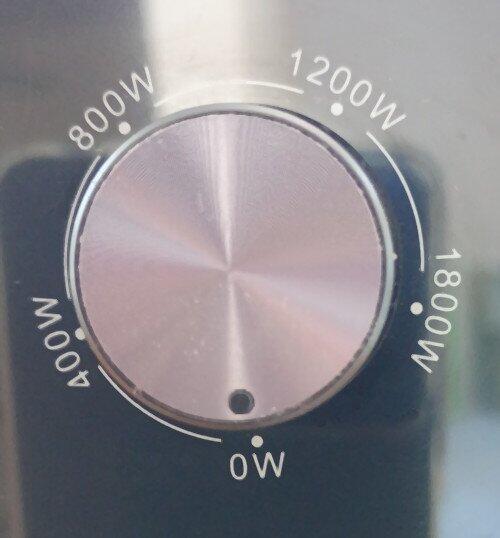
- 4-poziomowa regulacja prędkości ładowania (400/800/1200/1800W) — pozwala pobierać mniej energii z sieci, jeśli obwód jest współdzielony z innymi urządzeniami.
Dla właścicieli domów poszukujących samodzielnego zasilania awaryjnego P2001 Plus łączy szybkość ładowania z sieci, długą żywotność baterii i wystarczającą pojemność, aby pokryć większość krótko- i średnioterminowych blackoutów. Dla tych, którzy potrzebują większej pojemności, OUKITEL oferuje również większe modele, takie jak P5000 Pro (4000W, 5120Wh), które mogą służyć jako bateria domowa do zasilania awaryjnego całego domu bez fotowoltaiki.
Aby dokładniej dobrać rozmiar systemu, zobacz Jak dobrać rozmiar systemu baterii domowej do zasilania awaryjnego: kompletny przewodnik.
Często zadawane pytania
Czy bateria domowa może działać bez paneli słonecznych?
Tak, absolutnie. Bateria domowa może ładować się bezpośrednio z sieci energetycznej przez standardowe gniazdko ścienne. Taka konfiguracja jest często nazywana baterią ładowaną z sieci lub samodzielnym zasilaniem awaryjnym. Nie wymaga żadnych paneli słonecznych ani inwerterów słonecznych.
Ile kosztuje bateria domowa do zasilania awaryjnego bez paneli słonecznych?
Koszt zależy od pojemności, marki i funkcji. Przenośna stacja zasilania o pojemności 2000Wh i mocy wyjściowej 2400W zwykle kosztuje od 1500 do 3000 USD. Większe pojemności kosztują więcej. W przeciwieństwie do baterii słonecznych nie ma kosztów instalacji, więc koszt początkowy jest niższy niż w przypadku systemu fotowoltaika-plus-magazynowanie.
Jak długo bateria domowa bez fotowoltaiki wytrzyma podczas blackoutu?
Czas pracy zależy od pojemności baterii (Wh) i poboru mocy podłączonych urządzeń. Bateria 2048Wh, taka jak OUKITEL P2001 Plus, może zasilać lodówkę przez 10-20 godzin, oświetlenie przez ponad 68 godzin lub router Wi-Fi przez ponad tydzień. Aby oszacować czas pracy, podziel watogodziny baterii przez całkowitą moc swoich urządzeń.
Czy mogę ładować baterię domową z sieci?
Tak. Większość przenośnych stacji zasilania i wiele stacjonarnych baterii domowych ma wejście AC, które umożliwia ładowanie ze standardowego gniazdka ściennego. OUKITEL P2001 Plus może ładować się z sieci z mocą do 1800W, osiągając 80% pojemności w zaledwie 1 godzinę.
Czy bateria domowa jest opłacalna bez fotowoltaiki?
Dla wielu gospodarstw domowych tak. Jeśli doświadczasz częstych blackoutów lub masz taryfy czasowe, bateria domowa bez fotowoltaiki może zapewnić zasilanie awaryjne, zapobiec psuciu się żywności i obniżyć rachunki za prąd dzięki przesuwaniu obciążenia. Nie zapewni takich samych długoterminowych oszczędności jak system fotowoltaika-plus-magazynowanie, ale daje cenny spokój ducha i wygodę.
Jakiej wielkości baterii potrzebuję do zasilania awaryjnego domu bez fotowoltaiki?
Do zasilania podstawowych urządzeń podczas 12-24 godzinnej przerwy w dostawie prądu zwykle wystarcza bateria o pojemności 2000-3000Wh. Oblicz swoje całkowite dzienne zapotrzebowanie w watogodzinach dla urządzeń, które muszą działać, a następnie dodaj 20-30% zapasu. OUKITEL P2001 Plus o pojemności 2048Wh spełnia to wymaganie dla większości gospodarstw domowych.
Czy bateria domowa do zasilania awaryjnego może zastąpić generator?
W przypadku krótkich przerw w dostawie prądu i lekkich lub umiarkowanych obciążeń bateria domowa może zastąpić generator. Zapewnia cichą, bezwonną i natychmiastową energię. Jednak w przypadku zasilania całego domu lub długotrwałych, wielodniowych blackoutów możesz nadal potrzebować generatora do urządzeń o dużej mocy, takich jak klimatyzacja centralna czy podgrzewacze wody. Wielu właścicieli domów używa obu rozwiązań razem.
Jak konserwować baterię domową, która nie jest podłączona do fotowoltaiki?
Konserwacja jest minimalna. Przechowuj baterię w suchym miejscu o kontrolowanej temperaturze (0°C-40°C). Ładuj ją do 80-90% co kilka miesięcy, jeśli nie jest regularnie używana. Unikaj głębokiego rozładowania poniżej 10%. OUKITEL P2001 Plus ma wbudowany system BMS, który zarządza balansowaniem ogniw i chroni przed przeładowaniem, nadmiernym rozładowaniem i ekstremalnymi temperaturami.
Latest articles
OUKITEL Power Brings Full-Scenario Energy Storage Solutions to Intersolar Middle East 2026 in Dubai
OUKITEL prezentuje rozwiązania do magazynowania energii na targach Intersolar South America 2026, przyspieszając ekspansję w Ameryce Łacińskiej
Europejski przewodnik właściciela domu: jak obniżyć rachunki za pompę ciepła dzięki magazynowaniu energii i inteligentnym taryfom
Dobór mocy paneli słonecznych i baterii do zimowej pompy ciepła: poradnik dla zimnego klimatu w Europie (Niemcy, Szwecja, Ukraina)
Poradnik przetrwania blackoutu z pompą ciepła: jak wydłużyć działanie baterii podczas wielodniowych zimowych przerw w dostawie prądu