C01
C01


Co może zasilać bateria domowa do zasilania awaryjnego? Poradnik sprzętów i elektroniki
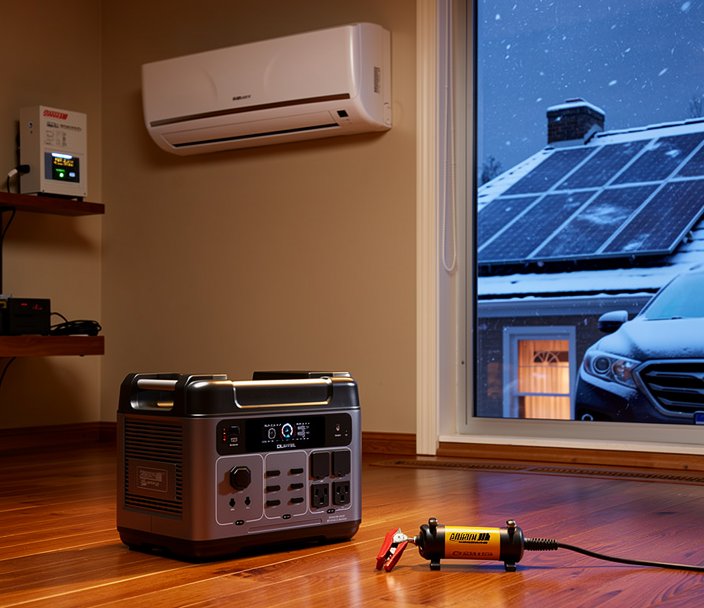
Gdy zgaśnie prąd, pierwsze pytanie, które zadaje sobie większość właścicieli domów, brzmi: co właściwie mogę zasilać za pomocą baterii awaryjnej? To słuszne pytanie, a odpowiedź zależy od kilku kluczowych czynników — mocy urządzeń, pojemności baterii oraz czasu, na jaki potrzebujesz zasilania. Ten poradnik przeprowadzi Cię przez to, które urządzenia domowe, duże sprzęty i elektronikę bateria domowa do zasilania awaryjnego może realnie zasilać, podając praktyczne przykłady i uczciwe oczekiwania. Niezależnie od tego, czy przygotowujesz się na awarię, czy po prostu chcesz mieć spokój ducha, zrozumienie swoich potrzeb energetycznych to pierwszy krok.

Zrozumienie zapotrzebowania na energię w domu: waty, moc szczytowa i czas pracy
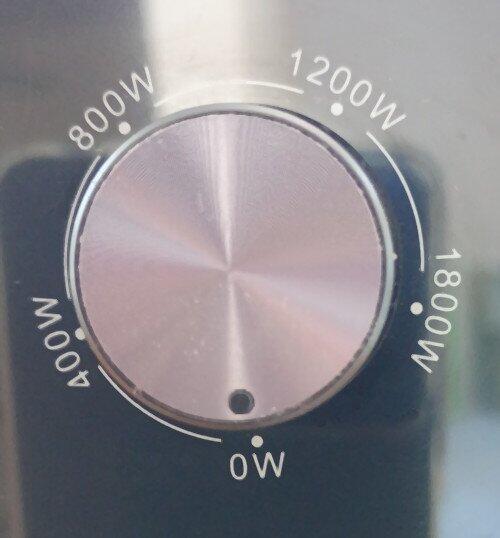
Zanim przejdziemy do konkretnych urządzeń, warto zrozumieć trzy podstawowe pojęcia: waty, moc szczytową i czas pracy. Waty mierzą tempo zużycia energii — można je sobie wyobrazić jako prędkość, z jaką urządzenie zużywa prąd. Moc szczytowa to dodatkowy impuls energii, którego niektóre urządzenia potrzebują przy starcie, na przykład gdy sprężarka lodówki się włącza. Czas pracy to to, jak długo bateria może utrzymać dane obciążenie.
Na przykład typowa lodówka może pobierać 150 watów podczas pracy, ale potrzebuje 600–800 watów do rozruchu. Bateria domowa do zasilania awaryjnego z ciągłą mocą wyjściową 2400W i mocą szczytową 4800W — taka jak OUKITEL P2001 Plus — z łatwością poradzi sobie z tym skokiem mocy. Kluczem jest dopasowanie mocy szczytowej baterii do szczytowego zapotrzebowania Twoich urządzeń.
Większość urządzeń domowych ma podaną moc na etykiecie lub w instrukcji. Jeśli nie możesz jej znaleźć, jest prosta zasada: pomnóż ampery przez wolty (120V w większości amerykańskich domów), aby otrzymać waty. Na przykład urządzenie pobierające 5 amperów przy 120V zużywa 600 watów. Znajomość tych liczb pomoże Ci zaplanować, które urządzenia podłączyć i na jak długo.
Podstawowe urządzenia, które może zasilać bateria domowa: lodówki, oświetlenie i inne
Podczas blackoutu utrzymanie lodówki w ruchu jest często priorytetem. Nowoczesna, energooszczędna lodówka zużywa średnio około 100–200 watów na godzinę, choć pracuje cyklicznie. Bateria o pojemności 2048Wh, taka jak w OUKITEL P2001 Plus, może zasilać lodówkę o mocy 150W przez około 13–14 godzin rzeczywistej pracy sprężarki — co przekłada się na ponad dobę realnego użytkowania, ponieważ lodówka nie pracuje non-stop.
Oświetlenie LED jest bardzo wydajne. Pojedyncza żarówka LED o mocy 10W może działać ponad 200 godzin na baterii 2048Wh. Nawet kilka świateł plus router Wi-Fi (około 10–20W) i ładowarka do telefonu (5–10W) mogą działać przez wiele dni. Dzięki temu bateria domowa do zasilania awaryjnego jest idealna do utrzymania podstawowego komfortu i łączności podczas krótkich przerw w dostawie prądu.
Inne podstawowe urządzenia, takie jak kuchenka mikrofalowa (800–1200W), mogą działać w krótkich seriach — wystarczająco, aby podgrzać posiłek. Inwerter o mocy 2400W bez problemu obsłuży większość mikrofalówek. Podobnie ekspres do kawy (600–1000W) czy czajnik elektryczny (1000–1500W) mogą być używane sporadycznie, nie rozładowując baterii zbyt szybko.
Duże urządzenia i sprzęty o wysokim poborze mocy: co działa, a co nie
Duże urządzenia, takie jak pralki, suszarki i piekarniki elektryczne, pobierają znaczną moc — często 2000W lub więcej. Pralka może zużywać 500–1000W podczas cyklu prania, ale podczas wirowania zapotrzebowanie wzrasta. Bateria domowa do zasilania awaryjnego z ciągłą mocą wyjściową 2400W może zasilać pralkę, ale trzeba uważać na całkowite obciążenie i czas pracy. Pojedynczy cykl prania może zużyć 300–500Wh, pozostawiając sporo zapasu na inne podstawowe urządzenia.
Suszarki to jednak inna historia. Większość elektrycznych suszarek pobiera 3000–5000W, co przekracza możliwości typowych przenośnych baterii. Suszarki gazowe zużywają znacznie mniej prądu (około 300–500W na bęben i sterowanie) i są bardziej realne. Podobnie piece elektryczne i kuchenki są zwykle zbyt energochłonne dla przenośnych systemów bateryjnych.
Klimatyzatory to kolejne wyzwanie. Klimatyzator okienny może pobierać 800–1500W, podczas gdy centralne systemy klimatyzacji mogą pobierać 3000–5000W. Przenośne baterie mogą zasilać małe jednostki okienne przez ograniczony czas, ale klimatyzacja całego domu zwykle nie jest możliwa bez znacznie większego systemu stacjonarnego. Dla większości właścicieli domów bardziej praktyczne jest skupienie się na wentylatorach, grzejnikach (na niskim ustawieniu) i innych urządzeniach o niskim poborze mocy.
Elektronika domowa i wrażliwe urządzenia: bezpieczne zasilanie Twojej techniki
Elektronika domowa — laptopy, telewizory, konsole do gier, urządzenia medyczne — to właśnie tam baterie awaryjne naprawdę błyszczą. Te urządzenia pobierają stosunkowo mało mocy (50–300W) i korzystają z czystego, stabilnego zasilania, jakie zapewnia inwerter z czystą falą sinusoidalną. OUKITEL P2001 Plus wyposażony jest w inwerter z czystą falą sinusoidalną o sprawności 92%, co oznacza, że wrażliwa elektronika, taka jak respiratory CPAP, serwery komputerowe i sprzęt audio, otrzymuje prąd tak czysty jak z sieci.
Jedną z wyróżniających cech dla elektroniki jest funkcja EPS (Emergency Power Supply) z czasem przełączenia poniżej 10 milisekund. To wystarczająco szybko, aby komputery i urządzenia medyczne działały bez przerwy podczas awarii sieci. Dla porównania, większość urządzeń UPS ma czas przełączenia 10–20 ms, więc jest to porównywalne z dedykowanymi rozwiązaniami awaryjnymi.
Smartfony, tablety i aparaty można ładować przez porty USB. P2001 Plus ma porty USB-C z funkcją Power Delivery do 100W, które mogą szybko ładować laptopy i tablety. To czyni go wszechstronnym narzędziem zarówno do awaryjnego zasilania, jak i codziennego użytku.
Jak długo bateria domowa do zasilania awaryjnego będzie zasilać Twoje urządzenia? Realne szacunki
Czas pracy zależy od pojemności baterii (mierzonej w watogodzinach, Wh) i całkowitego obciążenia, które podłączysz. Prosty wzór: Czas pracy (godziny) = pojemność baterii (Wh) ÷ całkowite obciążenie (W). Jednak czynniki rzeczywiste, takie jak sprawność inwertera (zwykle 85–92%) i cykliczna praca urządzeń, oznaczają, że rzeczywisty czas pracy jest nieco krótszy.
Oto kilka praktycznych szacunków dla baterii 2048Wh, takiej jak OUKITEL P2001 Plus:
- Lodówka (średnio 150W): 10–14 godzin pracy sprężarki, co przekłada się na 24–36 godzin realnego użytkowania.
- Router Wi-Fi + modem (20W): 80–100 godzin.
- Oświetlenie LED (4 x 10W = 40W): 40–50 godzin.
- Laptop (60W): 28–34 godzin.
- Respirator CPAP (30W): 55–68 godzin.
- Kuchenka mikrofalowa (1000W): Około 2 godzin ciągłej pracy, ale zwykle używana w krótkich seriach.
Te szacunki zakładają, że bateria jest w pełni naładowana, a inwerter pracuje z typową sprawnością. Jeśli zasilasz wiele urządzeń jednocześnie, zsumuj ich moce, aby oszacować całkowity czas pracy.
Wskazówki dotyczące priorytetów: które urządzenia zasilać podczas blackoutu
Nie wszystkie urządzenia są równie ważne podczas przerwy w dostawie prądu. Oto praktyczne ramy priorytetyzacji:
- Krytyczne urządzenia medyczne (CPAP, koncentrator tlenu, chłodziarka na insulinę) — zawsze najpierw.
- Chłodnictwo — utrzymaj jedzenie w bezpiecznej temperaturze i leki w chłodzie.
- Komunikacja — router Wi-Fi, ładowarka do telefonu, radio.
- Oświetlenie — lampy LED lub żarówki dla bezpieczeństwa i komfortu.
- Komfort — wentylatory, grzejnik (niskie ustawienie), koc elektryczny.
- Wygoda — mikrofalówka, ekspres do kawy, telewizor, laptop.
Podłączając tylko to, czego aktualnie potrzebujesz, znacznie wydłużasz czas pracy. Na przykład zasilanie lodówki i kilku świateł może zużywać łącznie 200W, co daje ponad 10 godzin ciągłego zasilania awaryjnego. Dodanie mikrofalówki na 5 minut zużywa minimalną dodatkową energię.
Kolejna wskazówka: używaj listew zasilających z indywidualnymi wyłącznikami, aby łatwo wyłączać urządzenia, gdy nie są używane. Rozważ też inwestycję w baterię ze sterowaniem aplikacją, taką jak OUKITEL P2001 Plus, która pozwala monitorować zużycie energii i zmieniać ustawienia zdalnie przez Wi-Fi i Bluetooth.
Porównanie rozwiązań OUKITEL do zasilania awaryjnego domu dla różnych obciążeń
OUKITEL oferuje gamę przenośnych stacji zasilania zaprojektowanych z myślą o różnych potrzebach. P2001 Plus, z ciągłą mocą wyjściową 2400W i pojemnością 2048Wh, doskonale nadaje się do zasilania podstawowych urządzeń domowych podczas blackoutu. Jego moc szczytowa 4800W radzi sobie ze skokami mocy przy starcie lodówek, pomp i elektronarzędzi. Inwerter z czystą falą sinusoidalną zapewnia czyste zasilanie dla wrażliwej elektroniki, a funkcja EPS z czasem przełączenia <10ms chroni komputery i urządzenia medyczne.
W przypadku większych domów lub dłuższych przerw w dostawie prądu OUKITEL oferuje również modele o większej pojemności, takie jak P5000 Pro, który zapewnia ciągłą moc wyjściową 4000W i pojemność 5120Wh — wystarczającą do zasilania większych urządzeń i wielu urządzeń przez dłuższy czas. Kluczem jest dopasowanie mocy i pojemności baterii do konkretnych wymagań obciążenia.
Wybierając baterię domową do zasilania awaryjnego, weź pod uwagę nie tylko moc największego urządzenia, ale także całkowitą energię, jakiej będziesz potrzebować w czasie. Bateria 2048Wh doskonale sprawdzi się podczas nocnych lub całodniowych przerw, podczas gdy większe pojemności są lepsze na wielodniowe zdarzenia. Dzięki technologii baterii Litowo-żelazowo-fosforanowej (LiFePO4) oferującej ponad 3500 cykli i 10-letnią żywotność, baterie OUKITEL są zaprojektowane tak, aby służyć przez lata sporadycznego użytkowania.
Często zadawane pytania dotyczące zasilania urządzeń baterią awaryjną
Czy bateria domowa do zasilania awaryjnego może zasilać lodówkę?
Tak, większość baterii domowych do zasilania awaryjnego może zasilać lodówkę. Typowa lodówka pobiera średnio 100–200 watów, a przy starcie potrzebuje 600–800 watów. Bateria o ciągłej mocy wyjściowej co najmniej 1500W i odpowiedniej mocy szczytowej, taka jak OUKITEL P2001 Plus (2400W ciągłej, 4800W szczytowej), z łatwością sobie z tym poradzi. Czas pracy zależy od pojemności baterii — bateria 2048Wh może zasilać lodówkę przez 24–36 godzin w rzeczywistych warunkach.
Czy bateria domowa do zasilania awaryjnego może zasilać pralkę lub suszarkę?
Pralka może być zasilana przez baterię domową do zasilania awaryjnego, jeśli ciągła moc wyjściowa baterii przekracza szczytowe zapotrzebowanie pralki (zwykle 500–1000W). Elektryczne suszarki pobierają jednak 3000–5000W i są zwykle zbyt energochłonne dla przenośnych systemów bateryjnych. Suszarki gazowe zużywają znacznie mniej prądu (300–500W) i są bardziej realne. Zawsze sprawdzaj etykietę z mocą urządzenia przed podłączeniem.
Jaką elektronikę domową może bezpiecznie zasilać bateria awaryjna?
Większość elektroniki domowej — laptopy, telewizory, konsole do gier, routery Wi-Fi, respiratory CPAP i urządzenia medyczne — może być bezpiecznie zasilana przez baterię awaryjną z inwerterem z czystą falą sinusoidalną. Zasilanie z czystą falą sinusoidalną jest tak samo czyste jak prąd z sieci, chroniąc wrażliwą elektronikę przed uszkodzeniem. OUKITEL P2001 Plus wyposażony jest w inwerter z czystą falą sinusoidalną o sprawności 92% i czasem przełączenia EPS poniżej 10 ms, co czyni go idealnym dla komputerów i sprzętu medycznego.
Jak długo bateria domowa do zasilania awaryjnego będzie zasilać moje oświetlenie i Wi-Fi?
Oświetlenie LED i routery Wi-Fi zużywają bardzo mało energii. Żarówka LED o mocy 10W może działać ponad 200 godzin na baterii 2048Wh. Router Wi-Fi (10–20W) może działać przez 80–100 godzin. Łącznie kilka świateł i router mogą pobierać łącznie 50W, co daje ponad 40 godzin pracy. Dzięki temu baterie awaryjne doskonale sprawdzają się w utrzymaniu podstawowej łączności i oświetlenia podczas przerw w dostawie prądu.
Czy mogę zasilać system HVAC lub klimatyzator z baterii awaryjnej?
Centralne systemy HVAC zwykle pobierają 3000–5000W, co przekracza możliwości większości przenośnych baterii awaryjnych. Małe klimatyzatory okienne (800–1500W) mogą być zasilane z baterii o większej pojemności, takich jak OUKITEL P2001 Plus (2400W ciągłej), ale czas pracy będzie ograniczony — zwykle 1–2 godziny dla klimatyzatora o mocy 1000W na baterii 2048Wh. Do chłodzenia całego domu zwykle wymagany jest większy stacjonarny system bateryjny lub generator.
Jakiej wielkości baterii potrzebuję, aby zasilać podstawowe urządzenia przez 24 godziny?
Aby zasilać podstawowe urządzenia, takie jak lodówka, kilka świateł, router Wi-Fi i ładowarka do telefonu przez 24 godziny, potrzebujesz baterii o pojemności co najmniej 1500–2000Wh. Bateria 2048Wh, taka jak OUKITEL P2001 Plus, to dobry punkt wyjścia. Jeśli chcesz również używać mikrofalówki, ekspresu do kawy lub telewizora, rozważ większą pojemność, np. 3000–5000Wh. Zawsze oblicz swoje całkowite dzienne zużycie energii, aby wybrać odpowiedni rozmiar.
Czy bateria domowa do zasilania awaryjnego może zasilać pompę głębinową?
Pompy głębinowe mogą być trudne, ponieważ pobierają wysoki prąd rozruchowy — często 2000–4000W dla pompy o mocy 1 KM, nawet jeśli moc robocza jest niższa. Bateria o wysokiej mocy szczytowej, taka jak OUKITEL P2001 Plus (4800W szczytowej), może obsłużyć wiele domowych pomp głębinowych. Jednak czas pracy zależy od częstotliwości pompowania i pojemności baterii. Przy częstym pompowaniu może być potrzebna większa bateria lub zestaw z panelami słonecznymi.
Latest articles
OUKITEL Power Brings Full-Scenario Energy Storage Solutions to Intersolar Middle East 2026 in Dubai
OUKITEL prezentuje rozwiązania do magazynowania energii na targach Intersolar South America 2026, przyspieszając ekspansję w Ameryce Łacińskiej
Europejski przewodnik właściciela domu: jak obniżyć rachunki za pompę ciepła dzięki magazynowaniu energii i inteligentnym taryfom
Dobór mocy paneli słonecznych i baterii do zimowej pompy ciepła: poradnik dla zimnego klimatu w Europie (Niemcy, Szwecja, Ukraina)
Poradnik przetrwania blackoutu z pompą ciepła: jak wydłużyć działanie baterii podczas wielodniowych zimowych przerw w dostawie prądu