C01
C01


Bateria litowa czy kwasowo-ołowiowa do domu: która technologia jest najlepsza?
Wybierając baterię domową do zasilania awaryjnego, najważniejszą decyzją jest wybór chemii baterii. Technologia wewnątrz baterii decyduje o tym, ile użytecznej energii otrzymasz, jak długo będzie działać, czy jest bezpieczna do montażu wewnątrz pomieszczeń oraz ile zyskasz na swojej inwestycji. Na rynku dominują dwie technologie: baterie litowe (w tym standardowe litowo-jonowe oraz nowsze litowo-żelazowo-fosforanowe, czyli LiFePO4) oraz tradycyjne baterie kwasowo-ołowiowe (w tym zalewane, AGM i żelowe).
W tym przewodniku porównujemy baterie litowe i kwasowo-ołowiowe do domu. Sprawdzamy żywotność, głębokość rozładowania, bezpieczeństwo, wydajność oraz całkowity koszt posiadania, abyś mógł podjąć świadomą decyzję o wyborze technologii do zasilania awaryjnego. Aby uzyskać szerszy przegląd opcji zasilania awaryjnego, zapoznaj się z naszym przewodnikiem: Bateria domowa do zasilania awaryjnego: kompletny przewodnik (artykuł wkrótce).

Dlaczego chemia baterii ma znaczenie dla zasilania awaryjnego
Chemia baterii to nie tylko specyfikacja techniczna — bezpośrednio wpływa na codzienną wydajność i długoterminowe koszty systemu zasilania awaryjnego. Bateria kwasowo-ołowiowa i litowa o tej samej pojemności znamionowej mogą zachowywać się zupełnie inaczej w rzeczywistych warunkach. Na przykład bateria kwasowo-ołowiowa zwykle oferuje tylko 50% użytecznej pojemności ze względu na ograniczoną głębokość rozładowania (DoD), podczas gdy bateria LiFePO4 może bezpiecznie dostarczyć 80–90% swojej pojemności znamionowej. Oznacza to, że bateria kwasowo-ołowiowa 100 Ah może zapewnić tylko 50 Ah użytecznej energii, podczas gdy bateria litowa 100 Ah może dostarczyć 80–90 Ah przed ponownym naładowaniem.
Co więcej, chemia baterii decyduje o tym, jak często trzeba wymieniać pakiet baterii. Baterie kwasowo-ołowiowe zwykle wytrzymują 300–500 cykli przy 50% DoD, podczas gdy wysokiej jakości baterie LiFePO4, takie jak ta w OUKITEL P2001 Plus, oferują ponad 3500 cykli — do 10 lat codziennego użytkowania. Chemia decyduje również o tym, czy baterię można zainstalować w pomieszczeniu mieszkalnym, jak wydajnie się ładuje i jak działa w gorącym lub zimnym klimacie.
Porównanie litowo-ołowiowych: bezpośrednie zestawienie
Oto bezpośrednie porównanie kluczowych parametrów baterii litowych (LiFePO4) i kwasowo-ołowiowych do zasilania awaryjnego:
- Użyteczna pojemność: lit 80–90% vs kwasowo-ołowiowa 50%
- Żywotność (cykle): LiFePO4 3000–5000+ cykli vs kwasowo-ołowiowa 300–800 cykli
- Głębokość rozładowania (DoD): LiFePO4 zalecane 80–90% vs kwasowo-ołowiowa maks. 50%
- Wydajność ładowania: lit 95–98% vs kwasowo-ołowiowa 70–85%
- Waga przy tej samej użytecznej energii: lit jest o 50–60% lżejszy
- Konserwacja: lit nie wymaga okresowego uzupełniania wody ani wyrównywania; kwasowo-ołowiowa wymaga comiesięcznych kontroli
- Bezpieczeństwo do użytku wewnątrz: LiFePO4 jest z natury niepalna; niektóre chemie litowo-jonowe wymagają starannego BMS; kwasowo-ołowiowa może wydzielać wodór podczas ładowania
- Tolerancja temperaturowa: lit działa dobrze w zakresie -10°C do 40°C (rozładowanie); kwasowo-ołowiowa traci pojemność poniżej 0°C
Różnice są wyraźne. Litowa bateria do zasilania awaryjnego dostarcza więcej użytecznej energii z tej samej fizycznej obudowy, działa wielokrotnie dłużej i nie wymaga praktycznie żadnej konserwacji. Dla właścicieli domów, którzy planują mieszkać w swoim domu dłużej niż pięć lat, całkowity koszt posiadania zdecydowanie przemawia za litem.
Baterie litowo-jonowe i LiFePO4 do zasilania awaryjnego: jaka jest różnica?
W rodzinie litowej dwie główne chemie są powszechne w magazynowaniu energii domowej: standardowy litowo-jonowy (często NMC — nikiel-mangan-kobalt) oraz litowo-żelazowo-fosforanowy (LiFePO4). Oba są oparte na litu, ale różnią się znacznie pod względem bezpieczeństwa, żywotności i właściwości termicznych.
LiFePO4 jest powszechnie uważany za najbezpieczniejszą chemię litową do wewnętrznego zasilania awaryjnego. Jego materiał katodowy jest chemicznie stabilny i nie ulega niekontrolowanemu wzrostowi temperatury w normalnych warunkach. Nawet w przypadku przebicia lub przeładowania, LiFePO4 jest znacznie mniej podatny na zapłon niż litowo-jonowy NMC. Dlatego systemy zasilania awaryjnego z baterią LiFePO4 są doskonałym wyborem dla właścicieli domów, którzy planują zainstalować baterię w piwnicy, garażu lub pomieszczeniu gospodarczym.
LiFePO4 oferuje również znacznie dłuższą żywotność cykliczną — zwykle 3000–5000 cykli w porównaniu do 1000–2000 cykli dla standardowego litowo-jonowego NMC. Na przykład OUKITEL P2001 Plus wykorzystuje baterię LiFePO4 o żywotności ponad 3500 cykli i 10-letniej trwałości. Standardowe baterie litowo-jonowe często degradują szybciej, zwłaszcza w wysokich temperaturach lub przy częstych głębokich rozładowaniach.
Dla większości zastosowań zasilania awaryjnego, LiFePO4 jest lepszym wyborem, biorąc pod uwagę bezpieczeństwo i trwałość. Jeśli rozważasz litowo-jonową baterię do zasilania awaryjnego, wybierz LiFePO4 zamiast NMC, chyba że Twoje konkretne potrzeby wymagają wyższej gęstości energii w małej przestrzeni.
Głębokość rozładowania, wydajność i użyteczna pojemność
Głębokość rozładowania (DoD) to procent całkowitej pojemności baterii, który można bezpiecznie wykorzystać przed ponownym naładowaniem. Przekroczenie zalecanego DoD skraca żywotność baterii — szczególnie w przypadku kwasowo-ołowiowych.
Większość baterii kwasowo-ołowiowych nie powinna być rozładowywana poniżej 50% DoD. Oznacza to, że bateria kwasowo-ołowiowa 200 Ah zapewnia tylko 100 Ah użytecznej pojemności. Litowa bateria domowa z kolei zwykle obsługuje 80–90% DoD. Ta sama bateria litowa o pojemności 200 Ah oferuje 160–180 Ah użytecznej energii — praktycznie podwajając użyteczną pojemność przy tej samej wartości znamionowej.
Wydajność ładowania dodatkowo zwiększa różnicę. Baterie litowe osiągają 95–98% wydajności w obie strony, co oznacza, że prawie cała energia wprowadzona do baterii wraca jako użyteczna energia prądu przemiennego (po stratach inwertera). Baterie kwasowo-ołowiowe tracą 15–30% energii jako ciepło podczas ładowania i rozładowania. Przez lata codziennego cyklowania ta przewaga wydajności przekłada się na znacznie niższe rachunki za prąd i szybsze czasy ładowania. P2001 Plus, z 92% wydajnym inwerterem czystej fali sinusoidalnej i chemią LiFePO4, jest przykładem tej wysokiej wydajności.
Jeśli chodzi o dobór rozmiaru, różnica w użytecznej pojemności oznacza, że litowa bateria do zasilania awaryjnego może być fizycznie mniejsza i lżejsza niż system kwasowo-ołowiowy zapewniający tę samą użyteczną energię. Jak dobrać rozmiar systemu baterii domowej: kompletny przewodnik (artykuł wkrótce) szczegółowo omawia obliczenia.
Bezpieczeństwo i żywotność: LiFePO4 vs kwasowo-ołowiowa
Bezpieczeństwo jest głównym problemem w przypadku każdego systemu instalowanego wewnątrz domu. Baterie kwasowo-ołowiowe — zwłaszcza zalewane — wydzielają wodór podczas ładowania, który może być wybuchowy, jeśli nie jest odpowiednio wentylowany. Baterie AGM i żelowe są szczelne i wydzielają mniej gazu, ale nadal wymagają odpowiedniego przepływu powietrza, aby zapobiec gromadzeniu się wodoru. Dlatego systemy zasilania awaryjnego z bateriami kwasowo-ołowiowymi są zwykle instalowane w dobrze wentylowanych obudowach lub oddzielnych pomieszczeniach baterii.
Baterie LiFePO4 nie wydzielają wodoru i są chemicznie stabilne w normalnych warunkach pracy. OUKITEL P2001 Plus ma obudowę o klasie IP54 (odporność na kurz i zachlapanie) oraz zintegrowany system zarządzania baterią (BMS), który monitoruje napięcie, prąd, temperaturę i balans ogniw. BMS automatycznie odłącza baterię w przypadku nadmiernego prądu, temperatury lub zwarcia, zapewniając dodatkową warstwę bezpieczeństwa do użytku wewnątrz.
Jeśli chodzi o żywotność, LiFePO4 jest wyraźnym zwycięzcą. Baterie kwasowo-ołowiowe zwykle dostarczają 300–500 cykli przy 50% DoD, zanim pojemność spadnie do 80% początkowej. To około 3–5 lat umiarkowanego użytkowania. LiFePO4, jak w P2001 Plus, dostarcza ponad 3500 cykli przy 80% DoD, co przekłada się na 10-letnią żywotność przy codziennym cyklowaniu. Nawet po 3500 cyklach bateria zachowuje co najmniej 80% swojej pierwotnej pojemności.
Analiza kosztów: koszt początkowy vs wartość długoterminowa
Koszt początkowy litowej baterii do zasilania awaryjnego jest zwykle 2–3 razy wyższy niż porównywalnego systemu kwasowo-ołowiowego. Jednak całkowity koszt posiadania (TCO) przez 10 lat wygląda zupełnie inaczej.
Rozważmy scenariusz, w którym potrzebujesz 2 kWh użytecznej energii dziennie do zasilania awaryjnego. Rozwiązanie kwasowo-ołowiowe wymagałoby około 4 kWh pojemności znamionowej (ze względu na limit 50% DoD), kosztując około 600–800 €. Ale ta bateria wymagałaby wymiany po 3–5 latach, co oznacza dwie lub trzy wymiany w ciągu dekady. Dodatkowo straty wydajności ładowania zwiększają rachunki za prąd o około 15–30% na każdy cykl ładowania.
Rozwiązanie LiFePO4 z 2 kWh użytecznej pojemności (około 2,5 kWh znamionowej) kosztuje około 1500–2000 € na początku, ale działa ponad 10 lat bez wymian. Dzięki wyższej wydajności ładowania (98% vs 80%), oszczędności na rachunkach za prąd w ciągu dekady mogą być znaczne. Przez 10 lat całkowity koszt systemu litowego jest często niższy niż ciągła wymiana baterii kwasowo-ołowiowych.
P2001 Plus, z pojemnością 2048Wh (użyteczna ~1800Wh przy 80% DoD), ponad 3500 cykli i 10-letnią żywotnością, oferuje przekonującą wartość długoterminową. Dla właścicieli domów, którzy planują regularnie korzystać z zasilania awaryjnego — czy to podczas cotygodniowych wyjazdów na kemping, czy częstych blackoutów — początkowa inwestycja w lit szybko się zwraca.
Która technologia baterii domowej odpowiada Twoim potrzebom?
Wybór między litem a kwasowo-ołowiową zależy od Twoich konkretnych okoliczności:
- Częste zasilanie awaryjne (cotygodniowe/miesięczne blackouty): Lit jest znacznie bardziej opłacalny. Wysoka żywotność cykliczna i wydajność sprawiają, że jest lepszym wyborem do regularnego użytkowania.
- Sporadyczne użycie (raz lub dwa razy w roku): Kwasowo-ołowiowa może być akceptowalna, jeśli budżet jest głównym problemem, ale pamiętaj, że baterie kwasowo-ołowiowe degradują się nawet bez cyklowania — zwłaszcza w wysokich temperaturach.
- Instalacja wewnątrz: LiFePO4 jest bezpieczniejsza i nie wymaga oddzielnej wentylacji. Baterie kwasowo-ołowiowe — zwłaszcza zalewane — wymagają wentylowanej obudowy.
- Przenośność lub wrażliwość na wagę: Litowa bateria do zasilania awaryjnego jest znacznie lżejsza (np. P2001 Plus waży 22 kg vs bateria kwasowo-ołowiowa o podobnej użytecznej pojemności ważąca 35–40 kg).
- Długoterminowa inwestycja w dom: Jeśli planujesz mieszkać w swoim domu przez 7+ lat, LiFePO4 jest jedyną chemią, która ma sens finansowy.
W prawie wszystkich nowoczesnych scenariuszach zasilania awaryjnego, LiFePO4 stała się preferowaną technologią. Połączenie bezpieczeństwa, żywotności, wydajności i użytecznej pojemności czyni ją najbardziej opłacalnym wyborem na dłuższą metę — nawet przy wyższej cenie początkowej. OUKITEL P2001 Plus jest przykładem tej technologii dzięki baterii LiFePO4 o ponad 3500 cykli, mocy wyjściowej 2400W czystej fali sinusoidalnej i wszechstronnym funkcjom bezpieczeństwa.
Jeśli nadal zastanawiasz się, czy bateria domowa do zasilania awaryjnego jest dla Ciebie odpowiednia, przeczytaj Bateria domowa bez paneli słonecznych: czy to się opłaca? (artykuł wkrótce), aby uzyskać praktyczne spojrzenie na samodzielne zasilanie awaryjne.
Często zadawane pytania
Jaka jest żywotność litowej baterii do zasilania awaryjnego w porównaniu z kwasowo-ołowiową?
Wysokiej jakości litowa bateria LiFePO4 do zasilania awaryjnego wytrzymuje 3000–5000 cykli (8–10+ lat codziennego użytkowania). Baterie kwasowo-ołowiowe zwykle wytrzymują 300–800 cykli i wymagają wymiany co 3–5 lat. Baterie litowe degradują się również wolniej i zachowują co najmniej 80% pojemności po znamionowej liczbie cykli.
Która jest bezpieczniejsza: LiFePO4 czy kwasowo-ołowiowa do wewnętrznego zasilania awaryjnego?
LiFePO4 jest bezpieczniejsza do użytku wewnątrz, ponieważ nie wydziela wybuchowego wodoru i jest chemicznie stabilna w normalnych warunkach pracy. Baterie kwasowo-ołowiowe — zwłaszcza zalewane — mogą uwalniać wodór podczas ładowania i wymagają odpowiedniej wentylacji. Wrodzona stabilność termiczna LiFePO4 czyni ją preferowanym wyborem do instalacji wewnętrznych.
Czy litowo-jonowa bateria do zasilania awaryjnego jest warta wyższej ceny początkowej?
Dla większości właścicieli domów tak. Chociaż lit kosztuje 2–3 razy więcej na początku niż kwasowo-ołowiowa, jego 10-letnia żywotność, wyższa wydajność i większa użyteczna pojemność przekładają się na niższy całkowity koszt posiadania w ciągu dekady. Jeśli planujesz regularnie korzystać z zasilania awaryjnego, inwestycja zwraca się dzięki mniejszej liczbie wymian baterii i niższym rachunkom za prąd.
Czy mogę używać baterii kwasowo-ołowiowej do zasilania awaryjnego z istniejącym systemem solarnym?
Tak, baterie kwasowo-ołowiowe można zintegrować z systemami solarnymi, ale wymagają kompatybilnego kontrolera ładowania, który obsługuje profile ładowania kwasowo-ołowiowego (absorpcja, float, wyrównywanie). Wymagają również odpowiedniej wentylacji. Jednak baterie litowe współpracują z solarami bardziej wydajnie ze względu na wyższą akceptację ładowania i głębsze DoD, co pozwala wykorzystać więcej energii słonecznej.
Jaką głębokość rozładowania (DoD) mogę oczekiwać od litowej baterii domowej?
Większość wysokiej jakości litowych baterii domowych obsługuje 80–90% głębokości rozładowania bez skracania żywotności. Niektóre baterie LiFePO4 klasy premium, takie jak OUKITEL P2001 Plus, są zaprojektowane do 80% DoD przez ponad 3500 cykli. Oznacza to, że możesz regularnie wykorzystywać 1638Wh z 2048Wh pojemności bez szkody dla baterii.
Bibliografia
- Departament Energii USA - Baterie: Magazynowanie energii dla bezpieczeństwa energetycznego, https://www.energy.gov/energy-storage
Latest articles
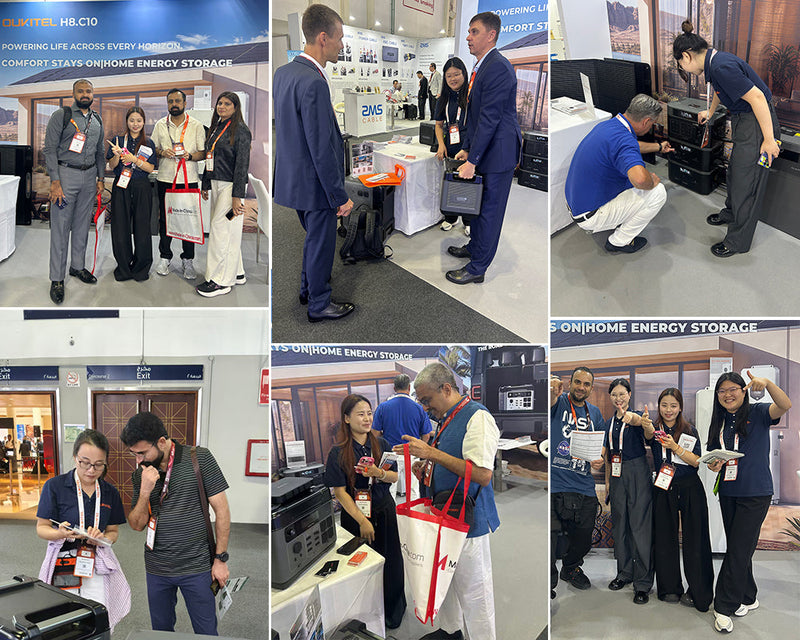
OUKITEL Power Brings Full-Scenario Energy Storage Solutions to Intersolar Middle East 2026 in Dubai
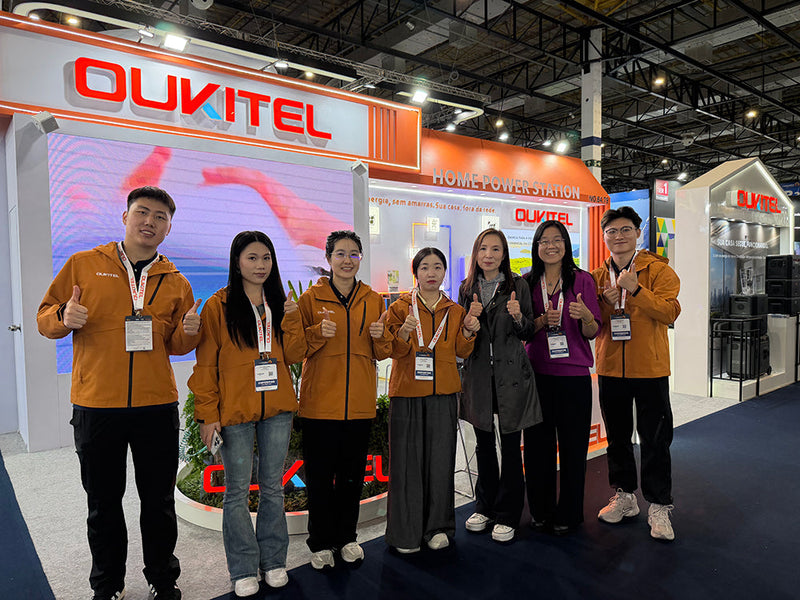
OUKITEL prezentuje rozwiązania do magazynowania energii na targach Intersolar South America 2026, przyspieszając ekspansję w Ameryce Łacińskiej
Europejski przewodnik właściciela domu: jak obniżyć rachunki za pompę ciepła dzięki magazynowaniu energii i inteligentnym taryfom
Dobór mocy paneli słonecznych i baterii do zimowej pompy ciepła: poradnik dla zimnego klimatu w Europie (Niemcy, Szwecja, Ukraina)
Poradnik przetrwania blackoutu z pompą ciepła: jak wydłużyć działanie baterii podczas wielodniowych zimowych przerw w dostawie prądu