C01
C01


Bateria domowa do zasilania awaryjnego czy generator: Która opcja zasilania awaryjnego jest dla Ciebie odpowiednia?
Blackouty są coraz częstsze w 2026 roku. Niezależnie od tego, czy są spowodowane ekstremalnymi warunkami pogodowymi, starzejącą się infrastrukturą sieci, czy planowanymi wyłączeniami, utrata prądu może zakłócić codzienne życie, zepsuć jedzenie i unieruchomić sprzęt medyczny. Dla właścicieli domów rozważających opcje zasilania awaryjnego, kluczowa decyzja często sprowadza się do dwóch technologii: nowoczesnej baterii domowej do zasilania awaryjnego lub tradycyjnego generatora na paliwo. Każda z nich ma swoje mocne strony i kompromisy. Ten artykuł przedstawia obiektywne porównanie baterii i generatorów — obejmujące sposób działania, koszty, konserwację, hałas, bezpieczeństwo i wpływ na środowisko — aby pomóc Ci podjąć świadomą decyzję dla Twojego gospodarstwa domowego.

Jak działa bateria domowa do zasilania awaryjnego: czysta, cicha, elektryczna energia
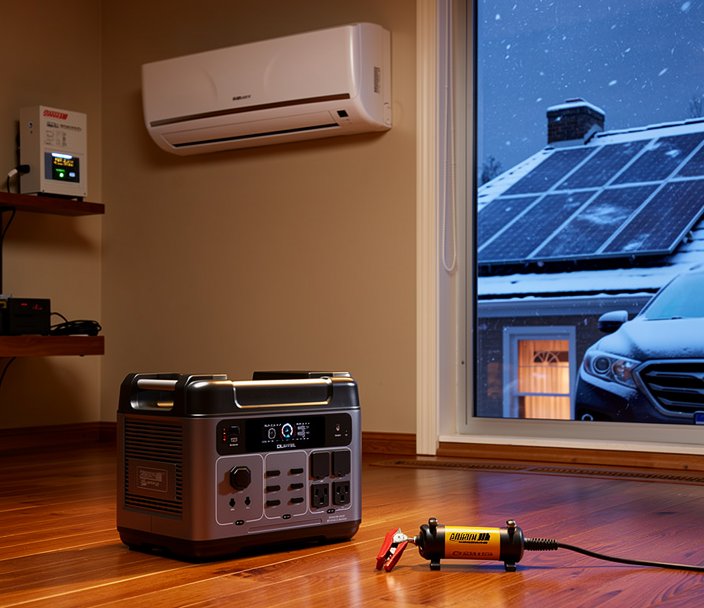
Bateria domowa do zasilania awaryjnego magazynuje energię elektryczną w akumulatorach i dostarcza ją przez inwerter do zasilania urządzeń. W przeciwieństwie do generatorów, baterie nie wymagają paliwa — są ładowane z sieci, paneli słonecznych, a nawet z gniazda samochodowego. Nowoczesne urządzenia, takie jak OUKITEL P2001 Plus, wykorzystują technologię litowo-żelazowo-fosforanową (LiFePO₄), oferując ponad 3500 cykli ładowania i żywotność do 10 lat. Z ciągłą mocą wyjściową 2400W i mocą szczytową 4800W, ta przenośna stacja zasilania może zasilać lodówki, mikrofalówki i elektronarzędzia. Dwukierunkowy inwerter umożliwia bardzo szybkie ładowanie z sieci (80% w 1 godzinę) oraz ładowanie z paneli słonecznych o mocy do 500W. Tryb EPS przełącza na zasilanie bateryjne w mniej niż 10 milisekund — wystarczająco szybko, aby komputery i urządzenia medyczne pozostały online. Praca jest prawie bezgłośna (poniżej 50 dB) i nie emituje spalin, co czyni ją bezpieczną do użytku wewnątrz pomieszczeń.
Jak działają tradycyjne generatory: zasilane paliwem, hałaśliwe, niezawodne
Generatory przekształcają benzynę, propan lub olej napędowy w energię elektryczną za pomocą silnika spalinowego. Od dziesięcioleci są standardowym rozwiązaniem zasilania awaryjnego ze względu na wysoką moc wyjściową i możliwość pracy przez wiele dni na jednym tankowaniu. Typowy przenośny generator może dostarczać 3000–8000W ciągłej mocy, wystarczającej do zasilenia całego domu. Jednak wymagają one paliwa, które musi być uzupełniane — paliwo może się zepsuć lub skończyć podczas długotrwałych blackoutów. Generatory wymagają regularnej konserwacji: wymiany oleju, świec zapłonowych i czyszczenia filtra powietrza. Są głośne (60–80 dB) i emitują tlenek węgla, dlatego muszą być używane na zewnątrz, w bezpiecznej odległości od okien i drzwi. Chociaż koszt początkowy jest niższy niż w przypadku baterii, bieżące koszty paliwa i konserwacji z czasem rosną.
Porównanie bezpośrednie: bateria vs generator
| Cecha | Bateria domowa do zasilania awaryjnego | Tradycyjny generator |
|---|---|---|
| Źródło zasilania | Energia elektryczna (sieć, słońce, samochód) | Benzyna, propan, olej napędowy |
| Typowa ciągła moc | 1000–4000W (np. 2400W) | 3000–8000W |
| Czas pracy | Od godzin do dni (ograniczony pojemnością) | Dni (przy tankowaniu) |
| Zależność od paliwa | Brak | Konieczność przechowywania i uzupełniania paliwa |
| Poziom hałasu | <50 dB (cichy jak rozmowa) | 60–80 dB (głośny, uciążliwy) |
| Emisje | Zero | CO, NOx, cząstki stałe |
| Konserwacja | Minimalna (aktualizacja oprogramowania) | Wymiana oleju, świec zapłonowych, czyszczenie gaźnika |
| Bezpieczeństwo | Bezpieczny wewnątrz (bez spalin) | Musi być na zewnątrz; ryzyko CO |
| Żywotność | 10+ lat (3500 cykli) | 5–10 lat (zużycie silnika) |
Porównanie kosztów: początkowy, paliwo, konserwacja i długoterminowe oszczędności
Przy ocenie baterii domowej do zasilania awaryjnego, koszt jest często czynnikiem decydującym. Tradycyjne generatory mają niższą cenę zakupu — zwykle od 400 do 2000 euro za przenośne urządzenie, które może zasilać podstawowe obwody. System baterii domowej, taki jak OUKITEL P2001 Plus, kosztujący około 1500–2000 euro, ma wyższy koszt początkowy. Jednak całkowity koszt posiadania przez dekadę wygląda inaczej.
Generator zużywa paliwo: przy cenie 1,50 euro za litr i pracy 8 godzin dziennie przez 10 dni w roku, samo paliwo może przekroczyć 1200 euro w ciągu 10 lat. Dodając coroczne wymiany oleju, świec zapłonowych i serwis gaźnika (około 100 euro rocznie), generator kosztuje ponad 2200 euro w kosztach eksploatacji. Tymczasem bateria nie wymaga paliwa i minimalnej konserwacji — tylko okazjonalne ładowanie, aby utrzymać baterię w dobrej kondycji. Energia elektryczna do naładowania baterii kosztuje kilka centów za cykl. Co więcej, baterie LiFePO₄ wytrzymują 3500 cykli, co odpowiada około 10 latom codziennego użytkowania. W ciągu 10 lat system baterii jest często tańszy, biorąc pod uwagę oszczędności na paliwie, zwłaszcza w połączeniu z panelami słonecznymi (ładowanie słoneczne eliminuje koszty energii elektrycznej). Dla właścicieli domów szukających baterii do zasilania domu, która przynosi długoterminowe oszczędności, bateria domowa jest wyraźnym zwycięzcą.
Łatwość użytkowania i konserwacja: Plug-and-Play vs regularna pielęgnacja
Jedną z najbardziej przekonujących zalet baterii domowej do zasilania awaryjnego jest jej prostota. Po zainstalowaniu po prostu czeka. Podczas blackoutu można ją włączyć ręcznie lub aktywuje się automatycznie przez tryb EPS. Nie wymaga tankowania, a OUKITEL P2001 Plus oferuje nawet sterowanie aplikacją przez WiFi i Bluetooth, co pozwala monitorować poziom baterii i regulować prędkość ładowania zdalnie. Konserwacja jest praktycznie zerowa — wystarczy utrzymywać urządzenie w czystości i od czasu do czasu aktualizować oprogramowanie.
Generatory natomiast wymagają aktywnego zarządzania. Musisz sprawdzać poziom paliwa, dbać o świeżość paliwa, wymieniać olej co 50–100 godzin pracy, co roku wymieniać świece zapłonowe i czyścić gaźnik, jeśli urządzenie nie było używane przez miesiące. W regionach, gdzie paliwo zawiera etanol, problemy z gaźnikiem są częste. Hałas i spaliny sprawiają również, że generatory są niepraktyczne do użytku nocnego lub w cichych dzielnicach. Dla prawdziwie bezobsługowego doświadczenia, bateria domowa do zasilania awaryjnego zapewnia niezrównaną wygodę.
Która opcja jest dla Ciebie odpowiednia?
Właściwy wybór zależy od Twoich priorytetów:
- Wybierz baterię domową do zasilania awaryjnego, jeśli: Cenisz cichą, czystą energię; potrzebujesz zasilać wrażliwe urządzenia elektroniczne; chcesz korzystać z niej wewnątrz; masz panele słoneczne lub planujesz je dodać; wolisz niską konserwację; lub martwisz się o przechowywanie paliwa i bezpieczeństwo.
- Wybierz tradycyjny generator, jeśli: Potrzebujesz zasilać duże obciążenia, takie jak centralna klimatyzacja lub pompy głębinowe przez dłuższy czas (wiele dni); masz bardzo ograniczony budżet początkowy; nie przeszkadza Ci regularna konserwacja; i masz bezpieczne miejsce na zewnątrz do jego użytkowania.
Wielu właścicieli domów odkrywa, że najlepsze jest podejście hybrydowe: bateria domowa do codziennej ochrony przed blackoutem i mały generator na długotrwałe sytuacje awaryjne. Aby dowiedzieć się więcej o doborze wielkości systemu, rozważ przeczytanie nadchodzącego przewodnika Jak dobrać rozmiar baterii domowej do zasilania awaryjnego: kompletny przewodnik. Aby zagłębić się w technologię stojącą za bateriami domowymi, artykuł Bateria domowa do zasilania awaryjnego: kompletny przewodnik po zasilaniu awaryjnym dla Twojego domu zapewnia wyczerpujące tło.
Podsumowanie
W 2026 roku technologia baterii domowych dojrzała, oferując przekonującą alternatywę dla generatorów gazowych. Podczas gdy generatory wciąż doskonale radzą sobie z dużą mocą i nieograniczonym czasem pracy, baterie domowe zapewniają czystą, cichą i bezpieczną energię przy niższych kosztach długoterminowych i minimalnym wysiłku. Dla większości nowoczesnych gospodarstw domowych system baterii domowej — taki jak OUKITEL P2001 Plus — stanowi mądrzejszą inwestycję zarówno dla codziennej wygody, jak i gotowości na sytuacje awaryjne. Oceń swoje potrzeby energetyczne, rozważ budżet i styl życia, i wybierz rozwiązanie, które da Ci spokój ducha, gdy zgasną światła.
Często zadawane pytania
Jak bateria domowa do zasilania awaryjnego wypada w porównaniu z generatorem gazowym w codziennym użytkowaniu?
Bateria domowa do zasilania awaryjnego jest zawsze gotowa do użycia bez żadnego wysiłku — nie trzeba kupować paliwa, uruchamiać silnika, a gdy nie jest używana, nie hałasuje. Generator gazowy wymaga okresowych próbnych uruchomień, stabilizacji paliwa i konserwacji. W codziennym użytkowaniu bateria jest znacznie prostsza i wygodniejsza.
Jaka jest typowa żywotność baterii domowej do zasilania awaryjnego w porównaniu z generatorem?
Wysokiej jakości bateria LiFePO₄, taka jak OUKITEL P2001 Plus, wytrzymuje ponad 10 lat lub 3500 pełnych cykli ładowania. Tradycyjny generator benzynowy zwykle wytrzymuje 5–10 lat, zanim zużycie silnika lub problemy z gaźnikiem staną się uciążliwe, w zależności od użytkowania i konserwacji.
Która opcja zasilania awaryjnego jest cichsza: bateria czy generator?
Baterie są znacznie cichsze. OUKITEL P2001 Plus pracuje poniżej 50 dB — mniej więcej na poziomie cichej rozmowy. Generatory gazowe zwykle generują 60–80 dB, co jest porównywalne z odkurzaczem lub kosiarką, co czyni je uciążliwymi w nocy.
Czy muszę tankować baterię domową do zasilania awaryjnego jak generator?
Nie, bateria nie wymaga tankowania. Ładuje się z gniazdka ściennego, paneli słonecznych lub portu 12V w samochodzie. Po naładowaniu przechowuje energię do momentu, gdy będzie potrzebna. Nie ma paliwa do kupowania, przechowywania ani obsługi, co czyni ją znacznie wygodniejszą i bezpieczniejszą.
Czy bateria może zasilać cały dom tak samo jak generator?
To zależy od Twoich potrzeb energetycznych i pojemności baterii. Przenośna bateria, taka jak OUKITEL P2001 Plus (2400W ciągłej mocy), może zasilać podstawowe obwody: lodówkę, oświetlenie, router i kilka urządzeń. Duży generator może jednocześnie zasilać centralną klimatyzację i pompę głębinową. Aby pokryć cały dom, możesz potrzebować większego systemu baterii lub kilku urządzeń.
Jaka jest całkowita różnica w kosztach między baterią a generatorem w ciągu 10 lat?
Generator o cenie zakupu 1000 euro może kosztować ponad 3000 euro na paliwo i konserwację w ciągu 10 lat, co daje łącznie ponad 4000 euro. Bateria taka jak OUKITEL P2001 Plus (1800 euro) ma znikome koszty paliwa i nie wymaga planowej konserwacji, więc jej całkowity koszt wynosi około 1800–2000 euro — oszczędzasz do 2000 euro w dłuższej perspektywie.
Latest articles
OUKITEL Power Brings Full-Scenario Energy Storage Solutions to Intersolar Middle East 2026 in Dubai

OUKITEL prezentuje rozwiązania do magazynowania energii na targach Intersolar South America 2026, przyspieszając ekspansję w Ameryce Łacińskiej
Europejski przewodnik właściciela domu: jak obniżyć rachunki za pompę ciepła dzięki magazynowaniu energii i inteligentnym taryfom
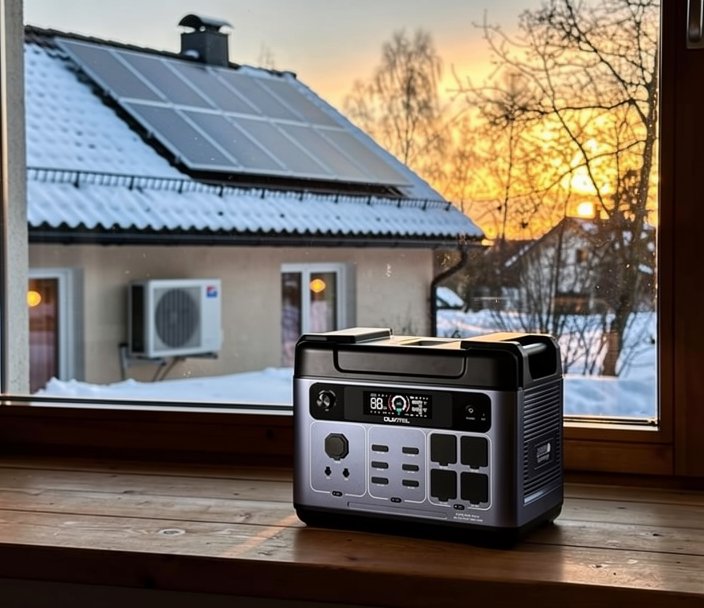
Dobór mocy paneli słonecznych i baterii do zimowej pompy ciepła: poradnik dla zimnego klimatu w Europie (Niemcy, Szwecja, Ukraina)
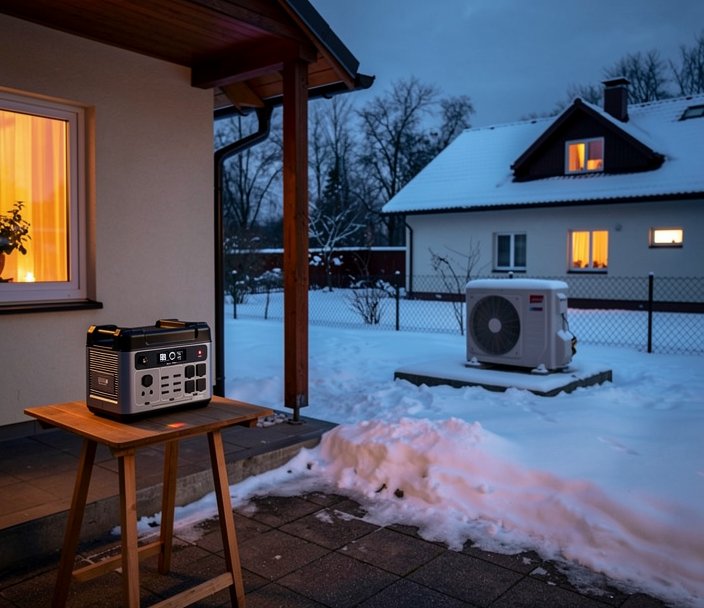
Poradnik przetrwania blackoutu z pompą ciepła: jak wydłużyć działanie baterii podczas wielodniowych zimowych przerw w dostawie prądu