C01
C01


Jak dobrać rozmiar baterii domowej do zasilania awaryjnego: Kompletny przewodnik
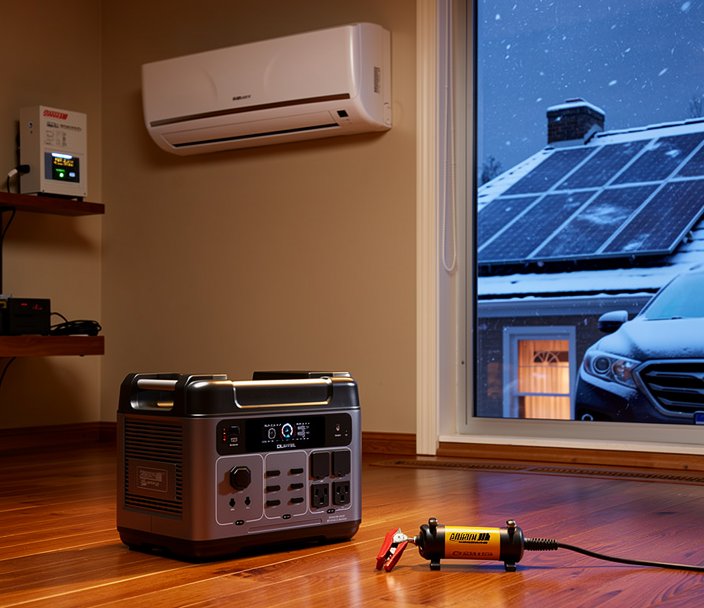
Wybór odpowiedniego rozmiaru baterii domowej do zasilania awaryjnego to najważniejsza decyzja, którą podejmiesz, przygotowując się na blackout. Zbyt mały system pozostawi Cię bez prądu, a zbyt duży – bez budżetu. Ten przewodnik przeprowadzi Cię przez profesjonalną, krok po kroku metodologię obliczania dokładnej pojemności, jakiej potrzebuje Twoje gospodarstwo domowe – bez zgadywania i bez stronniczości.

Zanim zaczniesz szukać dużej baterii domowej do zasilania awaryjnego, potrzebujesz konkretnych liczb, a nie ogólnych szacunków. Zacznijmy od podstaw: rzeczywistego zużycia energii w Twoim domu.
Zrozumienie zużycia energii w domu: pierwszy krok do doboru rozmiaru
Twój rachunek za prąd to najbardziej wiarygodne źródło informacji. Poszukaj sekcji „kWh zużyte” na miesięcznym zestawieniu. Ta liczba to całkowite zużycie energii w kilowatogodzinach w danym okresie rozliczeniowym. Podziel ją przez liczbę dni w tym okresie, aby uzyskać średnie dzienne zużycie.
Jednak ta suma obejmuje wszystko – klimatyzację centralną, elektryczny podgrzewacz wody, suszarkę do ubrań i pompę basenową. Bateria domowa do zasilania awaryjnego rzadko musi pokrywać 100% Twoich obciążeń. Lepiej określić, które obwody są niezbędne podczas blackoutu i obliczyć ich zużycie osobno.
Dla dokładniejszych szacunków zapoznaj się z statystykami zużycia energii w gospodarstwach domowych Eurostatu[1], które podają typowe zużycie energii dla powszechnych urządzeń domowych w krajach UE.
Jak obliczyć listę obciążeń krytycznych dla zasilania awaryjnego
Lista obciążeń krytycznych to uporządkowany według priorytetów spis wszystkiego, co musi działać podczas blackoutu. Zacznij od rzeczy niezbędnych dla bezpieczeństwa i komfortu, a następnie dodaj udogodnienia, jeśli pojemność na to pozwoli.
Stwórz tabelę z trzema kolumnami: nazwa urządzenia, moc ciągła (pobór w trakcie pracy) i moc szczytowa (pobór przy rozruchu). Użyj tych typowych wartości jako punktu wyjścia:
- Lodówka (20 stóp sześciennych, Energy Star): 150W ciągłej, 800W szczytowej
- Oświetlenie LED (10 żarówek): 100W łącznie
- Router WiFi + modem: 20W
- Laptop: 60W
- Wentylator sufitowy: 50W
- Pompa studni (0,5 KM): 750W ciągłej, 1500W szczytowej
- Sprzęt medyczny (CPAP, koncentrator tlenu): sprawdź etykietę urządzenia
Jeśli nie znasz dokładnej mocy urządzenia, użyj miernika mocy podłączanego do gniazdka (poniżej 30 USD), aby zmierzyć ją bezpośrednio przez 24 godziny. To da Ci rzeczywiste dane zamiast szacunków – szczególnie ważne w przypadku lodówek i zamrażarek, które cyklicznie się włączają i wyłączają.
Jeśli chcesz dowiedzieć się, które urządzenia mogą działać na różnych pojemnościach baterii, przeczytaj nasz szczegółowy artykuł Co może zasilić bateria domowa? Przewodnik po urządzeniach i elektronice.
Zrozumienie pojemności baterii: kWh, amperogodziny i głębokość rozładowania
Pojemność baterii mierzy się w kilowatogodzinach (kWh) – to całkowita ilość energii, którą bateria może zmagazynować i dostarczyć w czasie. Jedna kWh to 1000 watogodzin, co oznacza, że bateria o pojemności 1 kWh może zasilać żarówkę 100W przez 10 godzin.
Większość baterii domowych wykorzystuje technologię litową, która pozwala na bezpieczne rozładowanie do 10-20% całkowitej pojemności. Nazywa się to głębokością rozładowania (DoD). Jeśli bateria ma pojemność znamionową 10 kWh, ale tylko 80% użytecznego DoD, możesz wykorzystać 8 kWh, zanim się wyłączy, aby chronić ogniwa.
Na przykład OUKITEL P2001 Plus ma pojemność znamionową 2048Wh (około 2 kWh). Po uwzględnieniu typowego DoD (baterie LiFePO4 często pozwalają na 80-90% użytecznej pojemności), otrzymasz około 1,6-1,8 kWh użytecznej energii. To wystarczy, aby zasilić lodówkę przez 10-12 godzin lub naładować smartfon ponad 80 razy.
Technologia litowo-żelazowo-fosforanowa (LiFePO4) oferuje dłuższą żywotność cykliczną (zwykle ponad 3500 cykli do 80% pojemności, czyli około 10 lat codziennego użytkowania), co czyni ją idealną do częstego zasilania awaryjnego.
Moc szczytowa a moc ciągła: czego potrzebuje Twoja bateria domowa
Każda bateria ma dwa parametry mocy: ciągłą (roboczą) i szczytową (przeciążeniową). Moc ciągła to stała moc, jaką bateria może dostarczać bez przerwy. Moc szczytowa pokrywa krótkotrwałe zapotrzebowanie przy rozruchu silników – pomyśl o kompresorze lodówki lub pompie studni.
Lodówka może pobierać tylko 150W ciągłej, ale jej rozruch może osiągnąć 800W lub więcej przez 2-3 sekundy. Jeśli moc szczytowa Twojej baterii wynosi tylko 500W, lodówka nie wystartuje, nawet jeśli bateria ma dużo pojemności.
Bateria domowa z mocą ciągłą 2400W i szczytową 4800W, jak P2001 Plus, z łatwością poradzi sobie z tymi szczytami rozruchowymi, jednocześnie zasilając inne niezbędne urządzenia.
Ile dni autonomii potrzebujesz? Określenie czasu zasilania awaryjnego
Autonomia to liczba dni, przez które Twój system awaryjny może zasilać obciążenia krytyczne bez ładowania. Zależy to od lokalnego klimatu, historii blackoutów i Twojej tolerancji na ryzyko.
Dla większości właścicieli domów w regionach o stabilnej sieci wystarczy 1-2 dni autonomii. Planuj 3-5 dni, jeśli mieszkasz w obszarze narażonym na huragany, częste burze zimowe lub korzystasz ze sprzętu medycznego.
Oblicz wymaganą pojemność, mnożąc dzienne obciążenie krytyczne (kWh) przez pożądaną liczbę dni autonomii, a następnie dzieląc przez DoD (jako ułamek dziesiętny). Na przykład: 5 kWh/dzień × 2 dni ÷ 0,80 DoD = 12,5 kWh pojemności znamionowej baterii.
Jeśli rozważasz system obejmujący tylko niezbędne obwody, a nie cały dom, różnica w potrzebnej pojemności jest znaczna. Zasilanie całego domu dla typowego domu z 3 sypialniami może wymagać 15-30 kWh, podczas gdy system dla obciążeń krytycznych działa na 3-10 kWh.
10kWh vs 20kWh vs większe: dopasowanie pojemności do Twojego domu
System baterii 10kWh jest idealny dla małych domów lub mieszkań, gdzie wystarczy zasilić lodówkę, oświetlenie i elektronikę przez 6-12 godzin. To także dobry system startowy, który można później rozbudować.
System 20kWh pokrywa średniej wielkości domy z dodatkowymi obciążeniami, takimi jak pompa studni, zamrażarka i okazjonalne korzystanie z kuchni. Zapewnia 1-2 dni autonomii dla typowego domu z 3 sypialniami.
Systemy powyżej 20kWh – konfiguracje dużej baterii domowej do zasilania awaryjnego – są odpowiednie dla dużych domów z elektrycznym ogrzewaniem/chłodzeniem, sprzętem medycznym lub dla właścicieli, którzy chcą mieć kilka dni zasilania. Duża bateria domowa do zasilania awaryjnego w tym zakresie często służy jako największy magazyn energii domowej do kompleksowego przygotowania na sytuacje awaryjne.
Dla największych potrzeb magazynowania energii w domu, łączenie wielu jednostek lub inwestycja w system modułowy pozwala skalować od 10kWh do 50kWh lub więcej. Zawsze upewnij się, że wybrany system obsługuje konfiguracje równoległe lub układane, aby umożliwić przyszłą rozbudowę.
Uwzględnienie ładowania słonecznego lub generatora w doborze rozmiaru
Jeśli planujesz ładować baterię z paneli słonecznych podczas dłuższego blackoutu, obliczenia zmieniają się znacząco. Ładowanie słoneczne wydłuża autonomię w nieskończoność, co oznacza, że możesz zmniejszyć pojemność baterii i polegać na codziennym ładowaniu ze słońca.
Większość przenośnych stacji zasilania akceptuje ładowanie słoneczne do określonego maksimum. P2001 Plus, na przykład, akceptuje do 500W ładowania słonecznego, ładując się od 0-80% w około 2 godziny 45 minut przy silnym słońcu. Oznacza to, że system 10kWh można naładować w około 5-6 godzin szczytowego nasłonecznienia przy odpowiedniej liczbie paneli.
Szczegółowe informacje na temat łączenia paneli słonecznych z magazynem energii znajdziesz w naszym obszernym przewodniku: Bateria domowa z panelami słonecznymi: Kompletny przewodnik po systemach solarnych + magazynowaniu.
Alternatywnie możesz użyć generatora (benzynowego lub gazowego) do ładowania baterii podczas wielodniowych blackoutów. Wiele baterii domowych obsługuje szybkie ładowanie z sieci – P2001 Plus ładuje się z gniazdka z mocą 1800W, osiągając 80% w zaledwie 1 godzinę.
Jeśli nie planujesz używać energii słonecznej, przeczytaj Bateria domowa bez paneli słonecznych: czy to się opłaca?, aby zrozumieć kompromisy.
Dlaczego większy nie zawsze znaczy lepszy: znalezienie odpowiedniego rozmiaru
Większe baterie kosztują więcej na starcie, ważą więcej i zajmują więcej miejsca. System 30kWh może być przesadą, jeśli potrzebujesz tylko utrzymać lodówkę i naładować telefon przez 8 godzin. Co gorsza, jeśli rzadko wykorzystujesz pełną pojemność, żywotność baterii i tak się skraca, nawet bez cykli ładowania.
Optymalny wybór równoważy trzy czynniki: rzeczywiste obciążenie krytyczne (zmierzone, nie zgadywane), pożądaną autonomię i budżet. Wielu właścicieli domów odkrywa, że system zaprojektowany na 1,5-2 dni zasilania zapewnia najlepszą wartość, ponieważ pokrywa zdecydowaną większość awarii sieci (które zwykle trwają poniżej 6 godzin).
Rozważ też elastyczność rozbudowy. Niektóre systemy pozwalają na dodanie dodatkowych modułów baterii później, bez wymiany inwertera. P2001 Plus obsługuje takie modułowe podejście, pozwalając zacząć od 2kWh i rozbudowywać w miarę potrzeb.
Zalecane rozmiary baterii domowych w zależności od typu gospodarstwa domowego
| Typ gospodarstwa domowego | Obciążenie krytyczne (kWh/dzień) | Zalecany rozmiar baterii | Autonomia (dni) |
|---|---|---|---|
| Małe mieszkanie / mikrodom | 1-3 kWh | 2-5 kWh | 1-2 |
| Dom z 2 sypialniami (podstawowe potrzeby) | 3-6 kWh | 5-10 kWh | 1-2 |
| Dom z 3 sypialniami (średnie pokrycie) | 5-10 kWh | 10-20 kWh | 1-2 |
| Duży dom (pompa studni + zamrażarka + sprzęt medyczny) | 10-20 kWh | 20-40 kWh | 1-3 |
| Zasilanie całego domu (wszystkie urządzenia klimatyzacyjne/grzewcze) | 20-40 kWh | 30-60 kWh | 1-2 |
Te zakresy zakładają energooszczędne urządzenia i rozsądne zużycie podczas blackoutu. Zwiększ wartości, jeśli masz elektryczne ogrzewanie, elektryczny podgrzewacz wody lub samochód elektryczny wymagający ładowania.
Aby lepiej zrozumieć różne technologie baterii, przeczytaj nasz przewodnik Bateria litowa vs kwasowo-ołowiowa: która technologia jest najlepsza?.
Po dobraniu rozmiaru systemu zapoznaj się z naszą kolekcją baterii domowych do zasilania awaryjnego, aby zobaczyć produkty takie jak P2001 Plus i większy P5000 Pro, które pasują do tych zaleceń.
Często zadawane pytania dotyczące doboru rozmiaru baterii domowej
Jaki rozmiar baterii domowej do zasilania awaryjnego potrzebuję dla przeciętnego domu z 3 sypialniami?
Dla domu z 3 sypialniami, zasilającego niezbędne obwody (lodówka, oświetlenie, WiFi, niektóre gniazdka), bateria 10-15 kWh zwykle wystarcza na 1-2 dni autonomii. Jeśli chcesz uwzględnić pompę studni, zamrażarkę lub urządzenia medyczne, zwiększ do 15-20 kWh. Zawsze obliczaj swoje konkretne obciążenia krytyczne, a nie polegaj na średnich.
Ile kWh potrzebuję, aby utrzymać lodówkę, oświetlenie i WiFi?
Nowoczesna lodówka Energy Star zużywa około 150W ciągłej (około 1,5-2 kWh/dzień), oświetlenie LED w domu z 3 sypialniami dodaje 0,3-0,5 kWh/dzień, a router WiFi/modem zużywa około 0,2 kWh/dzień. Całkowite dzienne obciążenie wynosi około 2-3 kWh. Bateria 5-10 kWh z 80% głębokością rozładowania zapewnia 2-4 dni zasilania dla tych podstawowych urządzeń.
Jaka jest różnica między systemami baterii 10kWh a 20kWh?
System 10 kWh magazynuje dwa razy więcej energii niż typowy system 5 kWh na poziomie podstawowym, wystarczająco, aby zasilić lodówkę, oświetlenie i elektronikę przez 1-2 dni. System 20 kWh zapewnia 2-4 dni dla tych samych obciążeń lub pozwala dodać większe urządzenia, takie jak pompa studni, zamrażarka czy mikrofalówka. System 20 kWh oferuje również większą elastyczność, jeśli potrzebujesz ładować samochód elektryczny lub zasilać sprzęt medyczny.
Jak głębokość rozładowania wpływa na użyteczną pojemność mojej baterii domowej?
Głębokość rozładowania (DoD) to procent całkowitej pojemności baterii, który możesz bezpiecznie wykorzystać przed ponownym ładowaniem. Dla baterii LiFePO4 DoD wynosi zwykle 80-90%. Bateria 10 kWh z DoD 80% zapewnia tylko 8 kWh użytecznej energii. Zawsze mnoż pojemność znamionową przez procent DoD, aby określić rzeczywistą użyteczną pojemność do obliczeń.
Jak obliczyć całkowitą moc urządzeń, które chcę zasilać awaryjnie?
Najpierw wypisz wszystkie urządzenia, które chcesz uruchomić podczas blackoutu. Znajdź moc każdego urządzenia na etykiecie producenta (szukaj „W” lub „watów”). Dodaj moce ciągłe, aby uzyskać obciążenie ciągłe, i zidentyfikuj największą moc szczytową (rozruchową) wśród urządzeń z silnikami. Moc szczytowa baterii musi przekraczać największy rozruch plus obciążenie ciągłe innych urządzeń.
Czym jest moc szczytowa i dlaczego ma znaczenie przy doborze baterii domowej?
Moc szczytowa (zwana też mocą przeciążeniową) to maksymalna moc, jaką bateria może dostarczyć przez krótki czas (zwykle sekundy) podczas rozruchu silników lub kompresorów. Lodówki, pompy studni i klimatyzatory mogą pobierać 3-7 razy więcej niż ich moc ciągła przez 2-5 sekund przy starcie. Jeśli moc szczytowa baterii jest zbyt niska, te urządzenia nie wystartują, nawet jeśli bateria ma wystarczającą pojemność.
Na ile dni zasilania awaryjnego powinienem planować?
Dla większości właścicieli domów w obszarach o stabilnej sieci wystarczy 1-2 dni zasilania, ponieważ większość awarii trwa tylko kilka godzin. Dla osób w regionach narażonych na huragany, pożary lasów lub burze lodowe, planuj 3-5 dni. Jeśli korzystasz ze sprzętu medycznego w domu, planuj co najmniej 3 dni z możliwością ładowania (słonecznego lub z generatora). Pomnóż dzienne obciążenie krytyczne przez docelową liczbę dni, aby uzyskać minimalną pojemność.
Czy mogę później rozbudować system baterii domowej, jeśli będę potrzebować większej pojemności?
Wiele nowoczesnych baterii domowych obsługuje rozbudowę poprzez dodawanie dodatkowych modułów baterii lub łączenie wielu jednostek. Na przykład OUKITEL P2001 Plus obsługuje konfiguracje układane. Zawsze sprawdź, czy wybrany system pozwala na rozbudowę przed zakupem, i upewnij się, że inwerter poradzi sobie ze zwiększoną pojemnością. Niektóre systemy podstawowe nie są rozszerzalne i wymagałyby całkowitej wymiany.
Wyeliminuj zgadywanie z przygotowania na sytuacje awaryjne. Przeglądaj kolekcję baterii domowych OUKITEL do zasilania awaryjnego, aby znaleźć systemy odpowiadające Twoim obliczonym potrzebom.
Bibliografia
- Informacje o oszczędzaniu energii, wymaganiach dotyczących etykietowania energetycznego i ekoprojektu https://energy-efficient-products.ec.europa.eu/product-list_en
Latest articles
OUKITEL Power Brings Full-Scenario Energy Storage Solutions to Intersolar Middle East 2026 in Dubai
OUKITEL prezentuje rozwiązania do magazynowania energii na targach Intersolar South America 2026, przyspieszając ekspansję w Ameryce Łacińskiej
Europejski przewodnik właściciela domu: jak obniżyć rachunki za pompę ciepła dzięki magazynowaniu energii i inteligentnym taryfom
Dobór mocy paneli słonecznych i baterii do zimowej pompy ciepła: poradnik dla zimnego klimatu w Europie (Niemcy, Szwecja, Ukraina)
Poradnik przetrwania blackoutu z pompą ciepła: jak wydłużyć działanie baterii podczas wielodniowych zimowych przerw w dostawie prądu