C01
C01


Bateria domowa do zasilania awaryjnego z panelami słonecznymi: Kompletny przewodnik po systemach solarnych i magazynowaniu energii
Coraz więcej właścicieli domów decyduje się na energię słoneczną, aby obniżyć rachunki za prąd i osiągnąć niezależność energetyczną. Kluczowe staje się wtedy pytanie, co się dzieje, gdy słońce nie świeci. Bateria domowa do zasilania awaryjnego z panelami słonecznymi wypełnia tę lukę, magazynując nadwyżki energii słonecznej w ciągu dnia, aby można było z nich korzystać w nocy lub podczas blackoutu. Ten przewodnik omawia podstawy systemów solarnych z magazynowaniem energii, pomagając zrozumieć, jak działają, jaka konfiguracja odpowiada Twoim potrzebom oraz jak ocenić najlepsze rozwiązania dla Twojego domu.

Czym jest bateria domowa do zasilania awaryjnego z panelami słonecznymi?
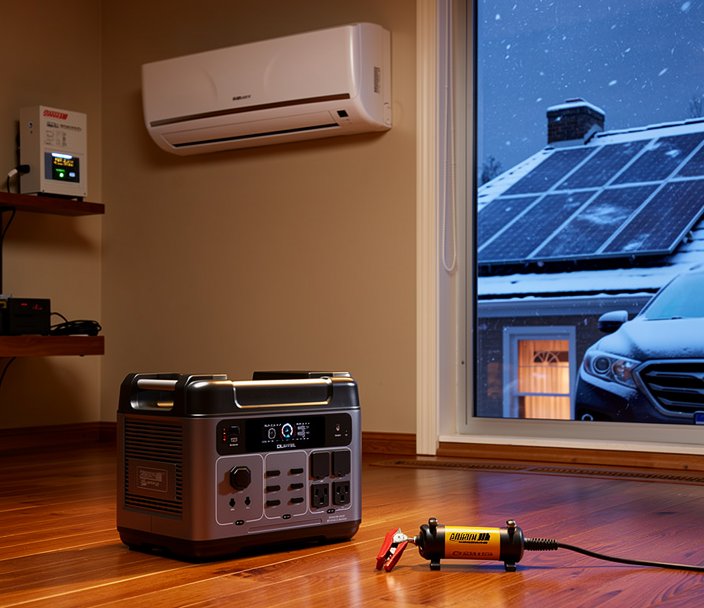
Bateria domowa do zasilania awaryjnego z panelami słonecznymi łączy panele fotowoltaiczne (PV) z akumulatorem, aby magazynować energię elektryczną wytworzoną w ciągu dnia. Gdy sieć przestaje działać lub w okresach szczytowego zapotrzebowania, bateria rozładowuje się, zasilając niezbędne urządzenia w domu. W przeciwieństwie do samodzielnych baterii awaryjnych, system sprzężony z panelami stale uzupełnia zapasy energii z dachu, zmniejszając zależność od sieci i maksymalizując zużycie własne czystej energii. Taka konfiguracja jest często nazywana domowym magazynem energii słonecznej lub systemem magazynowania energii słonecznej w domu.
Jak działają systemy solarne z magazynowaniem energii: od paneli do baterii i domu
Proces rozpoczyna się od paneli słonecznych, które przekształcają światło słoneczne w prąd stały (DC). Inwerter słoneczny przekształca prąd stały na prąd zmienny (AC), który mogą wykorzystać urządzenia domowe. W systemie solarnym z magazynowaniem energii bateria znajduje się między panelami a domem lub za inwerterem, w zależności od typu systemu. W ciągu dnia nadwyżka energii słonecznej, która nie jest natychmiast zużywana przez dom, jest kierowana do ładowania baterii. Gdy produkcja słoneczna spada (np. wieczorem, w pochmurne dni lub podczas blackoutu), bateria rozładowuje się, aby zasilać oświetlenie, lodówkę i elektronikę. Cały przepływ energii jest zarządzany przez system zarządzania energią oraz system zarządzania baterią (BMS), które optymalizują ładowanie, rozładowanie i bezpieczeństwo.
Kluczowe korzyści z dodania magazynu energii do instalacji solarnej
Dodanie domowego magazynu energii do istniejącej instalacji PV daje kilka korzyści. Po pierwsze, zwiększa niezależność energetyczną – mniej polegasz na sieci i chronisz się przed rosnącymi cenami prądu. Po drugie, zapewnia zasilanie awaryjne podczas blackoutów, eliminując potrzebę hałaśliwych generatorów. Po trzecie, umożliwia arbitraż czasowy (TOU): możesz ładować baterię, gdy stawki są niskie (lub za darmo z paneli) i rozładowywać ją w okresach szczytowych cen, obniżając rachunek za prąd. Dodatkowo, baterie domowe do zasilania awaryjnego z panelami słonecznymi mogą kwalifikować się do federalnych i stanowych ulg, takich jak Investment Tax Credit (ITC) w Stanach Zjednoczonych[1].
Typy systemów baterii słonecznych: AC-coupled vs DC-coupled
Projektując domową baterię z panelami słonecznymi, musisz wybrać między konfiguracją AC-coupled a DC-coupled. Systemy AC-coupled łączą baterię z siecią AC w domu, używając własnego inwertera, oddzielnego od inwertera solarnego. To prostsza modernizacja istniejących instalacji solarnych i umożliwia łatwą rozbudowę. Systemy DC-coupled łączą baterię przed inwerterem, więc zarówno panele, jak i bateria korzystają z tego samego inwertera. Daje to wyższą sprawność (mniejsze straty konwersji) i jest często preferowane w nowych instalacjach. Na przykład OUKITEL P5000 Pro ma czysty sinus, dwukierunkowy inwerter, co czyni go kompatybilnym zarówno z konfiguracją AC-, jak i DC-coupled, w zależności od projektu systemu. Większość nowoczesnych domowych systemów solarnych z magazynowaniem energii używa jednego z tych dwóch podejść.
Dobór pojemności baterii słonecznej: ile naprawdę potrzebujesz?
Odpowiedni dobór pojemności zapobiega przepłacaniu lub niewystarczającemu zasilaniu awaryjnemu. Kluczowe czynniki to dzienne zużycie energii (kWh), moc krytycznych urządzeń, które chcesz zasilać podczas blackoutu, oraz dzienna produkcja instalacji solarnej. Częstym punktem wyjścia jest pokrycie podstawowych obwodów – lodówki, oświetlenia, internetu i kilku gniazdek – co może wymagać 5–10 kWh użytecznej pojemności. Dla zasilania całego domu może być potrzebne 15–30 kWh lub więcej. Artykuł Jak dobrać rozmiar domowego systemu baterii awaryjnej: kompletny przewodnik zawiera szczegółową metodykę. Zasadą jest, że bateria taka jak OUKITEL P2001 Plus o pojemności 2048 Wh może zasilać lodówkę o mocy 50 W przez ponad 40 godzin, podczas gdy P5000 Pro o pojemności 5120 Wh obsługuje znacznie większe obciążenie. Pamiętaj, że użyteczna pojemność jest mniejsza niż całkowita ze względu na ograniczenia głębokości rozładowania – baterie LiFePO4 często pozwalają na 80–100% DoD.
Zasilanie całego domu czy częściowe: która konfiguracja jest dla Ciebie?
Nie każdy dom musi mieć zasilanie awaryjne dla wszystkich obwodów. Częściowe zasilanie (tzw. panel obwodów krytycznych) jest tańsze i prostsze w instalacji. Wyznaczasz podpanel dla niezbędnych urządzeń – lodówki, wentylatora pieca, pompy studni, oświetlenia i sprzętu medycznego – a bateria zasila tylko te obwody. Zasilanie całego domu wymaga natomiast większej baterii i często automatycznego przełącznika zasilania (ATS) lub hybrydowego inwertera zdolnego do obsługi pełnego obciążenia. Na przykład OUKITEL P5000 Pro z ciągłą mocą wyjściową 4000 W może zasilać większość urządzeń domowych jednocześnie, gdy jest sparowany z odpowiednim ATS. Decyzja zależy od budżetu, czasu trwania blackoutów w Twojej okolicy oraz tego, czy priorytetem jest komfort podczas dłuższych przerw w dostawie prądu.
Chemia baterii do magazynowania energii słonecznej (LiFePO4 vs inne technologie)
W przypadku domowego magazynowania energii z PV, litowo-żelazowo-fosforanowy (LiFePO4) stał się złotym standardem ze względu na długą żywotność (3500–5000+ cykli), stabilność termiczną i niskie wymagania konserwacyjne. Konkurencyjne rozwiązania, takie jak baterie kwasowo-ołowiowe, oferują niższy koszt początkowy, ale mają mniej cykli (300–500) i wymagają regularnego uzupełniania wody i wentylacji. Baterie litowo-jonowe NMC (niklowo-manganowo-kobaltowe) mają wyższą gęstość energii, ale szybciej się degradują i mają większe ryzyko pożaru. LiFePO4, stosowany zarówno w OUKITEL P2001 Plus, jak i P5000 Pro, zapewnia do 10 lat niezawodnej pracy. Aby uzyskać głębsze porównanie, zobacz artykuł Bateria litowa vs kwasowo-ołowiowa do domu: która technologia jest najlepsza.
Kwestie instalacyjne dla domowego magazynowania energii słonecznej
Instalacja domowego systemu magazynowania energii słonecznej wymaga prac elektrycznych, które powinien wykonać licencjonowany elektryk. Kluczowe kwestie to: lokalizacja (wewnątrz czy na zewnątrz, zakres temperatur, wentylacja), waga (P2001 Plus waży 22 kg, P5000 Pro 53 kg – może być konieczne wzmocnienie podłogi), zgodność z lokalnymi przepisami (NEC 2020 dla szybkiego wyłączania i ochrony przeciwłukowej) oraz integracja z istniejącym inwerterem solarnym. Jeśli modernizujesz instalację solarną o baterię, prostsze jest rozwiązanie AC-coupled. W nowych instalacjach bardziej efektywny może być system DC-coupled z hybrydowym inwerterem. Upewnij się, że system ma solidny BMS do monitorowania balansu ogniw i temperatury.
Systemy podłączone do sieci vs off-grid: kluczowe różnice
Systemy solarne z magazynowaniem energii podłączone do sieci pozostają połączone z siecią, co pozwala na eksport nadwyżek energii słonecznej i import z sieci, gdy bateria jest rozładowana. Mogą działać w trybie „samokonsumpcji” lub „zasilania awaryjnego” z możliwością pracy wyspowej podczas blackoutów. Systemy off-grid, jak sama nazwa wskazuje, działają niezależnie, bez połączenia z siecią, wymagając większej baterii i często generatora zapasowego na długie okresy pochmurne. Większość właścicieli domów wybiera systemy podłączone do sieci ze względu na oszczędności i niezawodność sieci, ale off-grid daje prawdziwą niezależność energetyczną. Bateria domowa do zasilania awaryjnego całego domu może działać w obu scenariuszach z odpowiednim inwerterem i sprzętem przełączającym.
Wskazówki dotyczące konserwacji, aby przedłużyć żywotność baterii słonecznej
Baterie LiFePO4 wymagają minimalnej konserwacji, ale kilka praktyk wydłuża ich żywotność: unikaj narażania baterii na ekstremalne temperatury (poniżej -10°C lub powyżej 40°C), utrzymuj poziom naładowania między 20–80% podczas dłuższego przechowywania, aktualizuj oprogramowanie BMS i czyść otwory wentylacyjne co kwartał, aby zapobiec gromadzeniu się kurzu. OUKITEL P2001 Plus działa w zakresie od 0°C do 40°C i rozładowuje się do -10°C. Przy odpowiedniej pielęgnacji jego 3500+ cykli może zapewnić ponad dekadę pracy. P5000 Pro oferuje 5000 cykli, co odpowiada około 13–14 latom codziennego użytkowania, zanim pojemność spadnie do 80%.
Najlepsze opcje magazynowania energii słonecznej dla właścicieli domów
Wybierając baterie do domowego zasilania awaryjnego z panelami słonecznymi, szukaj długiej żywotności cykli, szybkiego ładowania i niezawodnego wsparcia klienta. OUKITEL P5000 Pro wyróżnia się pojemnością 5120 Wh i ciągłą mocą wyjściową 4000 W, co czyni go odpowiednim do zasilania całego domu. Dla mniejszych budżetów lub częściowego zasilania, OUKITEL P2001 Plus oferuje 2048 Wh i 2400 W w niższej cenie. Oba wykorzystują chemię LiFePO4, obsługują ładowanie solarne do 1000 W (P5000 Pro) i 500 W (P2001 Plus) oraz mają sterowanie aplikacją. W porównaniu z tradycyjnymi rozwiązaniami, te przenośne stacje zasilania eliminują koszty paliwa i konserwacji silnika, zapewniając ciche, zeroemisyjne zasilanie awaryjne.
Najczęściej zadawane pytania dotyczące baterii domowych do zasilania awaryjnego z panelami słonecznymi
Jak działa bateria domowa do zasilania awaryjnego z panelami słonecznymi?
Bateria domowa do zasilania awaryjnego z panelami słonecznymi przechwytuje nadwyżki energii elektrycznej wytworzonej przez panele słoneczne w ciągu dnia i magazynuje je w baterii. Gdy słońce nie świeci lub podczas blackoutu, bateria rozładowuje się, aby zasilać dom. System używa inwertera do przekształcania prądu stałego z paneli lub baterii na prąd zmienny dla urządzeń domowych, a system zarządzania baterią zapewnia bezpieczne i efektywne ładowanie i rozładowanie.
Jakiej wielkości baterię słoneczną potrzebuję do mojego domu?
Rozmiar zależy od zapotrzebowania na moc krytycznych urządzeń i pożądanego czasu zasilania awaryjnego. Podstawowa konfiguracja dla niezbędnych urządzeń (lodówka, oświetlenie, elektronika) zwykle wymaga 5–10 kWh użytecznej pojemności. Dla zasilania całego domu celuj w 15–30 kWh. Aby określić dokładne potrzeby, skorzystaj z naszego przewodnika Jak dobrać rozmiar domowego systemu baterii awaryjnej: kompletny przewodnik.
Czy bateria słoneczna może zasilać cały dom podczas blackoutu?
Tak, przy odpowiednio dużej baterii i kompatybilnym inwerterze, bateria słoneczna może zasilać cały dom. Systemy takie jak OUKITEL P5000 Pro (ciągła moc wyjściowa 4000 W) mogą obsługiwać większość obwodów domowych, gdy są sparowane z automatycznym przełącznikiem zasilania. Jednak zasilanie całego domu wymaga większej pojemności i jest droższe niż częściowe.
Jak długo działają baterie słoneczne do domu, zanim wymagają wymiany?
Baterie litowo-żelazowo-fosforanowe (LiFePO4) zwykle działają 10–15 lat, w zależności od głębokości rozładowania i liczby cykli. OUKITEL P2001 Plus oferuje 3500+ cykli, a P5000 Pro 5000 cykli, co przekłada się na ponad dekadę codziennego użytkowania, zanim pojemność spadnie do 80%. Baterie kwasowo-ołowiowe zwykle wymagają wymiany co 2–5 lat.
Jaka jest różnica między systemami baterii słonecznych AC-coupled i DC-coupled?
Systemy AC-coupled łączą baterię z siecią AC w domu, używając oddzielnego inwertera dla baterii. To ułatwia modernizację istniejących instalacji solarnych. Systemy DC-coupled łączą baterię przed inwerterem, co pozwala panelom i baterii korzystać z jednego inwertera, zmniejszając straty energii (wyższa wydajność) i jest zwykle preferowane w nowych instalacjach solarnych.
Czy baterie słoneczne działają bez światła słonecznego?
Tak, baterie słoneczne magazynują energię wytworzoną wcześniej, gdy było światło słoneczne. Nawet podczas wielodniowego zachmurzenia lub w nocy, bateria może rozładować zgromadzoną energię, aby zasilać dom. Aby naładować baterię bez światła słonecznego, można użyć zasilania AC z sieci lub generatora, ale sama bateria zapewnia zasilanie awaryjne niezależnie od bieżącej produkcji słonecznej.
Ile kosztuje system baterii słonecznej do zasilania całego domu?
Koszty różnią się znacznie w zależności od pojemności, typu inwertera i złożoności instalacji. Mały system częściowego zasilania (5–10 kWh) może kosztować od 5 000 do 10 000 USD, podczas gdy system do całego domu (15–30 kWh) może kosztować od 15 000 do 30 000 USD lub więcej przed ulgami. OUKITEL P5000 Pro oferuje rozwiązanie o dużej pojemności w konkurencyjnej cenie, a federalne ulgi podatkowe mogą pokryć 30% kosztów w USA.
Aby uzyskać kompleksowy przegląd opcji zasilania awaryjnego, zobacz nasz artykuł Bateria domowa do zasilania awaryjnego: kompletny przewodnik po zasilaniu awaryjnym dla Twojego domu.
Referencje
- U.S. Department of Energy - Solar Energy Technologies Office, "Solar Integration: Solar Energy and Storage Basics", https://www.energy.gov/eere/solar/solar-integration-solar-energy-and-storage-basics
Latest articles
OUKITEL Power Brings Full-Scenario Energy Storage Solutions to Intersolar Middle East 2026 in Dubai
OUKITEL prezentuje rozwiązania do magazynowania energii na targach Intersolar South America 2026, przyspieszając ekspansję w Ameryce Łacińskiej
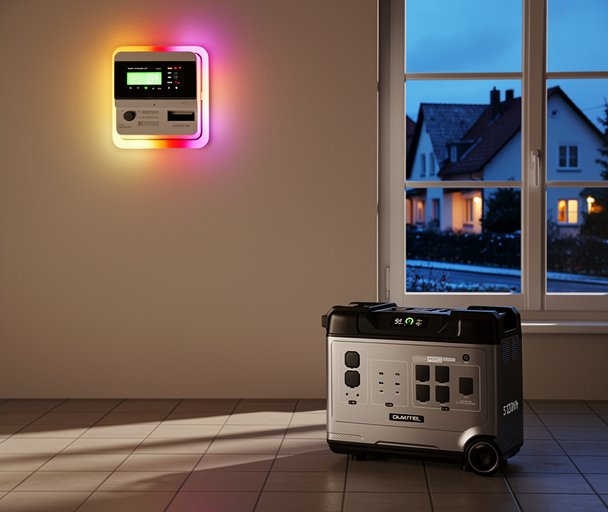
Europejski przewodnik właściciela domu: jak obniżyć rachunki za pompę ciepła dzięki magazynowaniu energii i inteligentnym taryfom
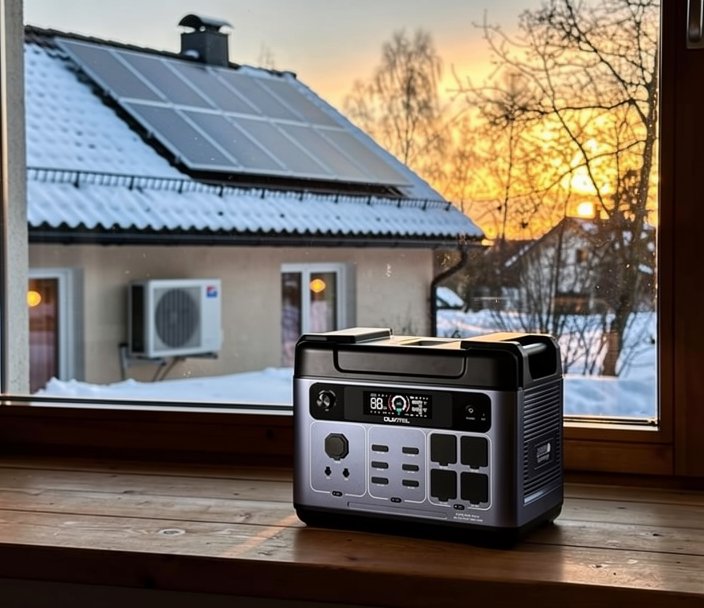
Dobór mocy paneli słonecznych i baterii do zimowej pompy ciepła: poradnik dla zimnego klimatu w Europie (Niemcy, Szwecja, Ukraina)
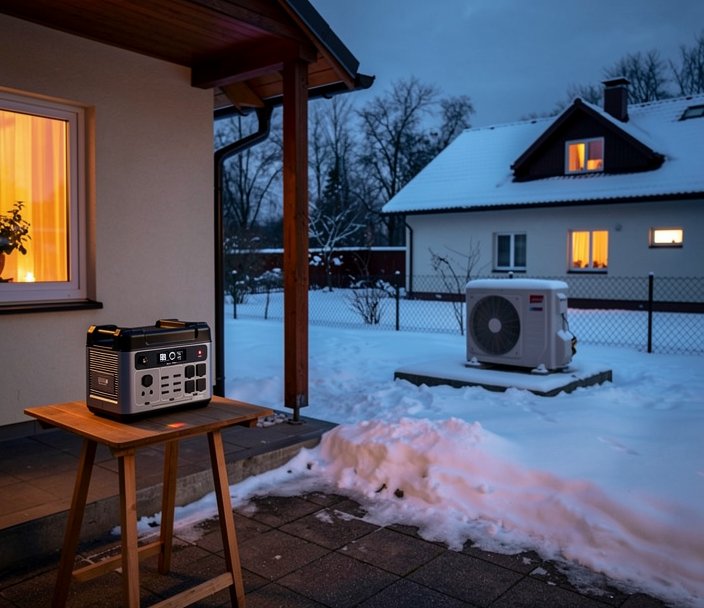
Poradnik przetrwania blackoutu z pompą ciepła: jak wydłużyć działanie baterii podczas wielodniowych zimowych przerw w dostawie prądu