C01
C01


Mobile & Vehicle Power: How to Choose the Right Portable Energy System for RVs, Vans, Cars, Boats, and Food Trucks
Getting reliable electricity on the move isn't a luxury anymore — it's a core part of how people travel, work, and live in vehicles. Whether you're running a food truck kitchen, outfitting a van for full-time life, or simply wanting to keep a fridge cold on a weekend road trip, the power system you choose will define your comfort, safety, and even your ability to earn a living. But with so many options — portable power stations, built-in lithium banks, solar generators, alternator chargers — the decision can feel overwhelming.
This guide cuts through the noise. It looks at mobile power across five vehicle types, explains the most important trade-offs, and gives you the principles you need to pick a system that actually works for your daily reality. You'll find concrete advice, real-world scenarios (both good and bad), and links to deeper dives for each vehicle category.

Understanding Mobile & Vehicle Power Needs
Not all vehicle power setups are created equal. A 30-foot RV with a residential refrigerator and microwave has radically different needs than a compact camper van or a bass boat. The first step is understanding what you'll actually power, and for how long.
Think in terms of three numbers: continuous wattage (the sum of all devices running at once), surge wattage (the startup spike for appliances with motors or compressors), and total energy consumed over a day (watt-hours). For example, a 50W camping fridge running 24 hours consumes 1,200Wh. A food truck induction burner might draw 1,800W continuously during lunch service, while a rooftop air conditioner can demand 2,400W and a surge of over 3,000W when the compressor kicks in.
One common mistake is looking only at the battery capacity in watt-hours and ignoring the inverter's continuous and surge ratings. A system might have enough stored energy to run a device for hours, but if its inverter can't handle the surge, the appliance won't start at all. Imagine a boater trying to run a bait tank pump and a small fridge simultaneously — if the inverter trips on compressor startup, the catch could spoil.
Another critical point: devices that produce heat (coffee makers, hair dryers, electric kettles) draw far more power than people expect. A small 1,000W kettle running for 6 minutes uses 100Wh — manageable in isolation, but if you're already running a fridge and lights, the sudden spike can overwhelm an undersized inverter. Planning for these simultaneous loads is where most mobile power designs either succeed or fail.
Vehicle Types and Their Power Requirements (with quick links)
While many portable power stations and solar generators work across different vehicles, each type of mobile use shapes the ideal system size and features. Below is a breakdown by vehicle, each linking to a dedicated guide for deeper specifics.
RVs – Large living spaces often include multiple AC outlets, a microwave, a TV, and sometimes a rooftop air conditioner. A reliable RV power setup typically needs at least 2,000Wh of battery capacity and a pure sine wave inverter capable of 2,000W–3,000W continuously. Many RV owners add a solar generator kit to extend boondocking stays, pairing high-wattage portable solar panels with a large power station. A rv portable power station that can recharge quickly from shore power and solar is essential.
Vans – Space and weight matter enormously. The best van life power solution often combines a compact portable power station with roof-mounted or portable solar panels. A 1,000–2,000Wh unit with 1,500W AC output can run lights, a fridge, a laptop, and a fan without overwhelming the limited floorplan. Because vans are smaller, heat dissipation and mounting must be carefully planned to avoid fire risk.
Food trucks – Commercial cooking equipment demands serious power. A food truck power system must handle sustained high-wattage loads — a single induction burner can pull 1,800W, and a commercial blender might add another 1,200W. Many operators run multiple portable power stations in parallel or invest in a large-capacity unit like the OUKITEL P5000 Pro, which provides 4,000W continuous output and 5,120Wh capacity, enough to run a fridge, a flat-top grill, and lighting for a full service shift.
Cars – For road trips and car camping, a portable car power system keeps devices charged and small appliances running. A 500–1,500Wh power station with a 12V car charging cable and a foldable solar panel offers a self-sufficient setup that can recharge while driving. Look for units light enough to move from the trunk to a campsite table.
Boats – Marine environments introduce moisture, salt, and constant vibration. A portable power station for a boat must have at least splash resistance and ideally an IP rating appropriate for the mounting location. Battery chemistry with higher thermal stability (like LiFePO4) is strongly preferred. While many systems overlap with RV gear, pay extra attention to corrosion resistance and secure mounting — a loose power station in rough water can damage itself and the boat.
Regardless of the vehicle, the best rv solar generator is often the most flexible one: a system that can be recharged via solar, shore power, or the vehicle's alternator, and that has enough inverter headroom to start motors reliably.
Portable Power Stations vs. Built-In Battery Systems
One of the biggest decisions you'll face is whether to install a permanent battery bank wired into the vehicle's electrical system, or to use a portable power station that can be carried and used in multiple places.
Built-in systems offer seamless integration. They connect directly to the alternator, shore power inlet, and solar charge controller, often with a dedicated display panel. They can power the vehicle's existing AC outlets and DC circuits automatically. However, installation is complex, usually requiring a certified installer, and the system is not easily removed if you sell the vehicle or want to use it elsewhere.
Portable power stations, by contrast, are self-contained units with their own inverter, battery, and charge controller. You plug appliances directly into the station. They're ideal if you want flexibility: the same unit can power a van in summer, serve as home backup in winter, or go to a tailgate party on Saturday. Modern high-capacity units from the OUKITEL portable power station lineup can handle most appliances a small RV or food truck would need, and they charge fast enough (0–80% in under 1.5 hours via AC for some models) that you don't need a complex installation.
The trade-off is that a portable station takes up floor or storage space, and you must manually move cables from shore power to solar depending on conditions. But for many van lifers and car campers, that simplicity is a feature, not a bug, especially when you can avoid modifying the vehicle's factory electrical system and its warranty.
Positive case: Suppose a food truck operator in a city known for strict noise ordinances switched from a traditional 3,000W gas generator to a dual-portable-power-station setup (4,000W continuous combined) with a solar array on the roof. By using battery power during lunch service and recharging via shore power overnight, the operator eliminated noise complaints, reduced daily fuel costs to zero, and attracted customers who appreciated the quieter street. The portable stations also allowed the operator to move them into a home workshop for off-hour tool use.
Negative case: Imagine a boater purchased a standard portable power station marketed as “splash-resistant” and placed it in an open boat console. After a season of salt spray and bilge humidity, corrosion built up on the USB and DC ports. One AC outlet failed, and the internal contacts on the car charging input oxidized, making recharging unreliable. The unit had enough capacity for the loads, but it wasn't designed for true marine exposure. The lesson: for wet environments, verify that the unit has a genuine IP rating and consider additional weather sealing, or choose a model designed with higher ingress protection.
Charging Methods: Solar, Alternator, and Shore Power Compared
How you replenish your energy bank determines how long you can stay off-grid. There are three primary charging sources for mobile power stations:
Shore power (grid AC) is the fastest and most reliable. Plug into a campground outlet or a wall socket, and many modern power stations can recharge from 0% to 80% in one to two hours. This is the go-to for RV parks and overnight stops.
Alternator charging uses your vehicle's 12V or 24V system to top up the battery while you drive. Most portable power stations accept a car charging input (typically 8–10A at 12V, delivering around 100–120W). That's enough to add a few hundred watt-hours during a four-hour drive — perfect for maintaining a fridge but not for big recharges. Some higher-end built-in systems use DC-DC chargers that can push 30–50A for much faster alternator charging, but these require permanent wiring.
Solar charging gives you complete independence. Pairing a portable power station with a 200W monocrystalline solar panel (efficiency rated at 24.8%, weather-resistant with IP68 splashproofing) can yield up to 900–1,200Wh on a sunny day, depending on season and tilt. A rv solar generator kit with five such panels feeding a high-capacity station like the P5000 Pro can fully recharge the battery from solar alone, eliminating fuel runs. The key is matching the solar input voltage and maximum input wattage of the power station to your panel array. Overpaneling slightly can improve low-light yield, but exceeding the max input voltage can damage the controller permanently.
The best setups often layer all three: shore power at campgrounds, solar while parked at a scenic overlook, and alternator top-ups while moving. This triple-charging strategy keeps you flexible and reduces range anxiety — not for your vehicle, but for your electricity.
Installation and Safety Tips for Mobile Power
Whether you opt for a portable station or a built-in system, how you position and protect your power source is as important as what you buy. Safety failures in mobile power are almost always the result of ignoring two things: heat and motion.
Ventilation: All inverters produce heat under load. A sealed compartment with no airflow can push a power station into thermal throttling or shutdown, and in extreme cases, damage the battery. In vans and RVs, mount the unit in a ventilated space with at least a few inches of clearance on all sides. Avoid storing the power station inside a closed cabinet while it's charging or discharging at high rates.
Secure mounting: An unsecured 22 kg power station becomes a dangerous projectile in a collision or sudden stop. Use heavy-duty straps or a custom bracket to lock it in place. In boats, the problem is magnified by rolling and pitching — even a non-slip mat is insufficient. Some users have suffered interior damage when a power station slid across a galley counter and smashed cabinetry.
Battery chemistry matters. LiFePO4 (lithium iron phosphate) batteries are the current standard for safety and longevity in mobile environments. They typically last over 3,000 charge cycles (many rated at 4,000 or more) before dropping to 80% capacity, compared to around 1,000 cycles for older Li-NMC chemistries. More importantly, LiFePO4 chemistry is far more resistant to thermal runaway — a critical advantage in a vehicle where a fire would be catastrophic.
Fire safety: Always keep a fire extinguisher rated for electrical fires (Class C or ABC) within easy reach. If you hardwire a system into the vehicle, use proper gauge wiring, fuses, and a master disconnect switch. In food trucks, never place a power station near grease-laden surfaces; a spark or heat source could ignite accumulated residue.
Finally, before relying on your system for a long trip, stress-test it at home. Run your typical loads for a full 24 hours, monitor temperatures, and note any drop in performance. This dry run catches problems that could leave you stranded or cause a fire on the road.
Frequently Asked Questions
Can I use a portable power station in different vehicles?
Yes. The portability of a power station designed for mobile use means you can move it from an RV to a van, car, or even a boat as needed. The main constraint is the power station's physical size and weight, and that the vehicle has a suitable place to secure it safely. Also, ensure the unit's input and output ports match the appliances you plan to run in each new setting.
How do I decide between a solar generator and a traditional fuel generator for my mobile setup?
Choose a solar generator (a portable power station paired with solar panels) if you value silence, zero emissions, and no ongoing fuel costs. It's ideal for campgrounds, stealth van parking, and areas with fire restrictions. A fuel generator may still make sense for extremely high continuous power demands (e.g., all-day welding on a worksite) or when you need indefinite runtime without sunlight. For most mobile living and recreational use, the convenience and cleaner operation of a solar generator outweigh the higher upfront cost.
What is the biggest mistake people make when installing vehicle power systems?
Failing to account for surge power. Many users buy a system based purely on watt-hour capacity or continuous wattage, then discover their refrigerator or air conditioner won't start because the inverter can't handle the momentary startup spike. Always check the surge rating (often 2× the continuous rating for pure sine wave inverters) and confirm it exceeds the locked-rotor amps of any motor-driven appliance you intend to run.
Do I need a different battery chemistry for a boat vs. an RV?
The chemistry itself (LiFePO4 is the safest and most durable) is the same across vehicle types, but the enclosure and protection level matter much more on a boat. In a marine environment, you need a power station or battery bank with high resistance to moisture, salt spray, and vibration. Look for units with an IP rating appropriate for the mounting location, and consider additional waterproofing measures if the space is exposed. For RVs, temperature management during hot days in a parked vehicle is often the bigger concern.
How do I charge a power station while driving?
Most portable power stations include a 12V car charger cable that plugs into the vehicle's cigarette lighter or accessory socket. This provides a slow, steady charge (usually 100–120W). For faster charging, you can use a dedicated DC-DC charger hardwired to the vehicle's battery and alternator, but that requires professional installation. Some stations also support a 24V input for trucks and larger vehicles. Be sure your vehicle's charging system can supply the required current without draining the starter battery when the engine is off.
The right mobile power system is the one that quietly does its job without forcing you to compromise on how you live or work in your vehicle. Start by listing your must-run appliances and their wattages, then choose a battery capacity and inverter size that can handle them simultaneously. Favor portable power stations if you want flexibility and simplicity; go with a built-in system if you need seamless integration and daily high-wattage use. Always plan your charging strategy — a mix of solar, alternator, and shore power offers the most resilience. And never cut corners on installation safety. Test your setup before hitting the road or water, and your mobile power will be a trusted partner, not a source of stress.
This article was written using up-to-date sources as of July 2026. Details may change over time — verify current specifics before relying on them.
Latest articles
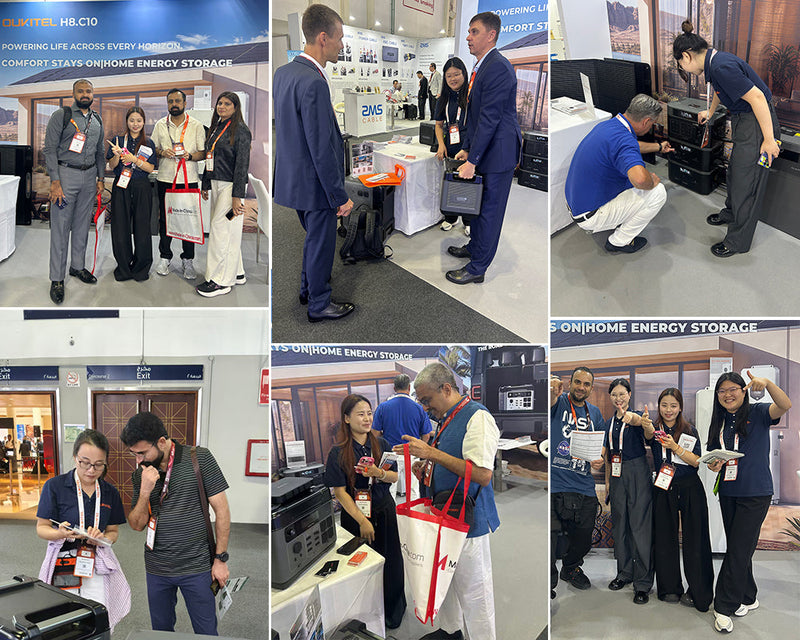
OUKITEL Power Brings Full-Scenario Energy Storage Solutions to Intersolar Middle East 2026 in Dubai

OUKITEL Showcases Energy Storage Solutions at Intersolar South America 2026, Accelerating Expansion into Latin America
The European Homeowner’s Blueprint to Slashing Heat Pump Bills with Battery Storage and Smart Tariffs
Sizing Solar and Battery for a Winter Heat Pump: A Cold‑Climate Guide for Europe (Germany, Sweden, Ukraine)
Heat Pump Power Outage Survival Guide: Stretching Your Battery Through Multi-Day Winter Outages