C01
C01


Wat kunnen draagbare powerstations op een bouwplaats van stroom voorzien? Zagen, compressoren, hogedrukreinigers en meer
Als u als aannemer of vakman een lawaaierige, stinkende generator wilt vervangen door een schone, stille stroombron, bent u waarschijnlijk de term draagbare powerstation voor gereedschap tegengekomen. Maar er is een cruciaal verschil tussen een powerbank die telefoons oplaadt en een powerstation dat een cirkelzaag van 15 ampère onder belasting kan starten. Dat verschil begrijpen—specifiek startpiek versus continu vermogen—is het verschil tussen een aankoop die werkt en een die uitschakelt op het moment dat u de trekker overhaalt.
Deze gids behandelt de praktijkvereisten van veelvoorkomend bouwplaatsgereedschap: zagen, luchtcompressoren, hogedrukreinigers en snoerloze grasmaaiers. We leggen uit hoe u specificaties leest, welke verborgen belastingen u kunt verwachten en hoe u uw systeem afstemt op gemengd gebruik. Aan het einde weet u precies waar u op moet letten bij een draagbare powerstation voor gereedschap, zodat u geen geld verspilt aan een te klein model.
Voor een breder overzicht van het gebruik van powerstations op bouwplaatsen, inclusief veiligheids- en installatieoverwegingen, zie onze complete gids voor draagbare powerstations voor bouwplaatsen.

Waarom bouwplaatsgereedschap meer nodig heeft dan alleen watt: inzicht in piek- en continuvermogen
Elk gereedschap met een motor trekt een stroompiek—ook wel inschakelstroom of piek genoemd—gedurende een fractie van een seconde bij het starten. Deze piek kan 2 tot 5 keer het nominale continue vermogen van het gereedschap zijn. Een cirkelzaag met een nominaal vermogen van 1.800 W (15 A × 120 V) kan 3.600 W of meer nodig hebben om het blad vanuit stilstand te laten draaien. Als de piekwaarde van uw powerstation te laag is, schakelt de omvormer uit of slaat hij af.
De fout die veel kopers maken, is alleen naar het continue vermogen kijken. Een powerstation met 2.400 W continu lijkt misschien genoeg voor een zaag van 1.800 W, maar als de piekwaarde slechts 3.000 W is, kan de startpiek van die zaag die overschrijden. Vergelijk altijd de piekwaarden—en onthoud dat sommige stations alleen een piek adverteren voor een paar milliseconden. Voor bouwplaatsgereedschap is een piekduur van ten minste een paar seconden beter. Het beste draagbare powerstation voor gereedschap heeft een piekwaarde die minstens het dubbele is van het continue vermogen.
Praktisch inzicht: Test de piek van uw gereedschap door naar het typeplaatje van de motor te kijken (vastgezette rotorstroom) of gebruik een stroomtang. Als vuistregel kunt u rekenen op 3× het continue vermogen voor inductiemotoren (compressoren, tafelzagen) en 2× voor universele motoren (cirkelzagen, haakse slijpers).
Kan een draagbare powerstation een cirkelzaag of afkortzaag van stroom voorzien? Praktijkvereisten voor piekvermogen
Een typische 7-1/4" cirkelzaag trekt ongeveer 15 A continu—1.800 W—maar de startpiek kan 2.800–3.500 W bereiken gedurende ongeveer 200–300 milliseconden. Een afkortzaag met een 10" blad gebruikt vaak een vergelijkbare universele motor, hoewel sommige modellen softstart-elektronica hebben. In de praktijk kan een powerstation met een continu vermogen van 2.400 W en een piekvermogen van 4.800 W (zoals de OUKITEL P2001 Plus) de meeste cirkel- en afkortzagen zonder problemen starten. Als u echter van plan bent om tegelijkertijd een zaag en een stofafzuiger te gebruiken, moet u beide pieken optellen—en dat brengt u in een hogere capaciteitsklasse.
Scenario A: U bent aan het frame bouwen op een nieuwbouwproject en moet een cirkelzaag van 15 A gedurende 2-3 uur continu gebruiken terwijl u hout zaagt. Een powerstation van 2.048 Wh zoals de P2001 Plus trekt ongeveer 1.800 W van de zaag, plus wat overhead voor omvormerverliezen (ongeveer 10%). Dat geeft u ongeveer 1 uur looptijd bij volledige belasting—genoeg voor licht werk, maar niet voor een hele dag. Voor langere diensten heeft u een groter model nodig, zoals de OUKITEL P5000 Pro (5.120 Wh) of een uitbreidbare accu.
Luchtcompressoren: de verborgen uitdaging van inschakelstroom en inschakelduur
Luchtcompressoren—vooral draagbare pannenkoek- of hotdog-types met inductiemotoren—zijn een van de lastigste gereedschappen om van stroom te voorzien. Een typische compressor van 6 gallon, 150 PSI kan 1.500 W continu aangeven, maar de vastgezette rotorstroom kan meer dan 4.500 W bedragen. De piek kan 1–2 seconden duren, en sommige compressoren trekken hoge stroom terwijl ze druk opbouwen voordat de ontlastklep opent. Een draagbare powerstation voor luchtcompressor moet een piekwaarde hebben die ruim boven de piek van de compressor ligt.
Veelgemaakte fout: Een powerstation kopen dat de compressor net kan starten, maar dan uitschakelt wanneer de compressor opnieuw start onder belasting (bijv. na het aftappen van de tank). De startpiek is hoger wanneer de tank onder druk staat, omdat de motor tegen tegendruk moet werken. Een goede vuistregel: kies een powerstation met een piekwaarde van minstens 2,5× het continue vermogen van de compressor.
Afweging: Een hogere piekcapaciteit betekent meestal een grotere omvormer, wat gewicht en kosten toevoegt. Als u alleen een compressor nodig heeft voor nietpistolen of spijkermachines, overweeg dan een klein model met een laag verbruik onder 1.000 W continu. Dat opent meer powerstation-opties.
Hogedrukreinigers: continu verbruik versus startpiek – wat is belangrijker
Een typische elektrische hogedrukreiniger (ongeveer 1.800 W continu) gebruikt een universele motor met een bescheiden piek—misschien 2× tot 2,5×. Maar in tegenstelling tot een zaag die seconden achter elkaar zaagt, draait een hogedrukreiniger continu gedurende minuten of uren. De looptijd wordt de belangrijkste beperking. Een draagbare powerstation voor hogedrukreiniger moet voldoende capaciteit hebben om die belasting vol te houden.
Scenario B: U reinigt een betonnen oprit met een hogedrukreiniger van 1.800 W gedurende 45 minuten. Bij dat verbruik zou een powerstation van 2.048 Wh ongeveer 1 uur meegaan, maar in de praktijk kunnen omvormerverliezen en batterijderating bij koud weer dit terugbrengen tot 45–50 minuten. Dat is misschien net genoeg voor één klus, maar niet voor opeenvolgende klussen. Voor een hele dag commercieel reinigen heeft u een batterij-uitbreidingspakket of een groter station nodig. Let ook op: hogedrukreinigers met softstart-motoren zijn zeldzaam, maar kunnen de piekvereisten verminderen.
Snoerloze grasmaaiers: voorspelbaar verbruik maar langere looptijdimplicaties
Snoerloze elektrische grasmaaiers trekken doorgaans 1.200–1.800 W continu, met een piek van ongeveer 2× omdat ze universele motoren gebruiken. De startpiek is kort, dus een powerstation met 2.400 W continu en 4.800 W piek kan de meeste huishoudelijke maaiers aan. Het echte probleem is de looptijd: het maaien van een tuin van 1/4 acre kan 30–45 minuten duren, wat 900–1.350 Wh verbruikt. Een draagbare powerstation dat een snoerloze grasmaaier kan laten werken moet ten minste 2.000 Wh hebben om één maaibeurt te voltooien zonder onder de 20% capaciteit te komen (om de batterijgezondheid te beschermen).
Praktisch inzicht: Als u zowel een maaier als een trimmer/cantilever heeft, moet u ze mogelijk achter elkaar op hetzelfde station gebruiken. Plan voor de totale looptijd en zorg ervoor dat het station de piekbelasting van elk gereedschap aankan.
Uw powerstation afstemmen op gemengd gebruik – overbelasting op de bouwplaats voorkomen
Op een echte bouwplaats gebruikt u zelden slechts één gereedschap. U heeft misschien een zaag die zaagt terwijl een compressor aan- en uitschakelt, en een ventilator of radio draait. Gemengde belastingen betekenen dat het powerstation overlappende pieken moet aankunnen. De kritieke berekening is niet alleen het optellen van continue watt, maar ook rekening houden met de hoogst mogelijke startpiek die optreedt terwijl andere gereedschappen al stroom trekken.
Beslisregel: Maak een lijst van alle gereedschappen die u tegelijkertijd verwacht te gebruiken. Tel hun continue watt bij elkaar op, en voeg dan de grootste enkele piek (inschakelstroom) toe aan dat totaal. Het resulterende getal moet onder de piekwaarde van het powerstation liggen. Bijvoorbeeld, een afkortzaag (1.800 W continu, 3.500 W piek) + compressor (1.500 W continu, 4.500 W piek) die tegelijkertijd draaien: terwijl beide draaien, is de belasting 3.300 W. Maar als de compressor start terwijl de zaag draait, kan de totale piek 3.300 W + 4.500 W = 7.800 W zijn. Dat zou de meeste stations met een piek van 6.400 W laten uitschakelen. De oplossing is om de startvolgorde te plannen—start eerst de compressor, daarna de zaag.
Faalmodus: Veel aannemers kopen een station met 2.400 W continu en denken dat het een zaag en een compressor kan laten werken omdat elk afzonderlijk onder 2.400 W zit. Ze negeren piek en gelijktijdige belasting, wat leidt tot herhaaldelijk uitschakelen op de bouwplaats. Dit is de belangrijkste reden waarom powerstations in deze categorie worden geretourneerd.
Voor een diepere duik in zonne-oplaadmogelijkheden om de looptijd op de bouwplaats te verlengen, raadpleeg onze gids over zonne-energie powerstations voor de bouw.
Praktische tips: omgaan met startpieken, looptijd en meerdere gereedschappen
- Plan uw startvolgorde: Start het gereedschap met de hoogste piek eerst (meestal compressor of grote zaag) en laat het stabiliseren voordat u het volgende start. Vermijd het starten van twee gereedschappen op exact hetzelfde moment.
- Gebruik een stroomtang: Meet vóór de aankoop van een powerstation de werkelijke start- en continuïteitsstroom van uw gereedschap op een generator of netstroom. Die gegevens zijn betrouwbaarder dan typeplaatjesspecificaties.
- Respecteer inschakelduur: Sommige powerstations hebben thermische limieten—langdurig hoog verbruik kan ervoor zorgen dat de omvormer terugschakelt of uitschakelt om af te koelen. Controleer de specificaties van de fabrikant voor continu vermogen bij hoge omgevingstemperaturen.
- Plan voor uitbreiding: Als uw bouwplaats behoeften groeien—bijvoorbeeld een betonmolen of stofafzuiger toevoegen—kies dan een powerstation dat batterij-uitbreiding ondersteunt (zoals het OUKITEL BP3000-systeem) in plaats van een nieuw model te kopen.
- Houd uw capaciteit in de gaten: Gebruik de app om het resterende laadniveau te controleren. Minder dan 20% verkort de levensduur van de batterij, vooral bij LiFePO4-batterijen die de voorkeur geven aan diepere ontladingscycli maar toch baat hebben bij gedeeltelijke herladingen.
- Overweeg zonne-opladen: Op afgelegen locaties zonder netstroom kunnen zonnepanelen uw powerstation tijdens pauzes bijladen. Dit is vooral nuttig voor gebruik van compressoren of hogedrukreinigers gedurende de hele dag.
Veelgestelde vragen
Waarom schakelt mijn powerstation uit wanneer ik mijn zaag start, ook al ligt het binnen het continue vermogen?
De startpiek van de zaag—vaak 2–3 keer het continue vermogen—overschreed de piekcapaciteit van uw powerstation. Zelfs als het continue vermogen voldoende is, overbelast de korte inschakelstroom de pieklimiet van de omvormer. Controleer de piekwaarde van uw station; deze moet minstens het dubbele zijn van het continue vermogen van de zaag.
Welk formaat powerstation heb ik nodig om een cirkelzaag van 15 ampère en een compressor tegelijkertijd te laten werken?
Uitgaande van een zaag die 1.800 W continu trekt (3.500 W piek) en een kleine compressor die 1.500 W continu trekt (4.500 W piek), heeft u een station nodig met minstens 3.300 W continu en 8.000 W piek om beide tegelijk te starten. Als u echter de startvolgorde plant (eerst compressor, dan zaag), kan een station met 2.400 W continu / 4.800 W piek werken, maar u moet overlappende pieken vermijden.
Kan ik een hogedrukreiniger een uur lang continu laten draaien op een powerstation?
Ja, als het powerstation voldoende capaciteit heeft. Een hogedrukreiniger van 1.800 W verbruikt ongeveer 1.800 Wh per uur, plus omvormerverliezen (~10%). Een station van 2.048 Wh levert ongeveer 1.800 Wh bruikbaar (vermijd volledige ontlading), dus u krijgt ongeveer 50–60 minuten continu gebruik. Voor langere klussen overweeg een station van 5.000 Wh+ of een batterij-uitbreidingspakket.
Hoe bereken ik de piekvermogen voor een reciprozaag versus een tafelzaag?
Reciprozagen gebruiken doorgaans universele motoren met een piek van 2–2,5× het continue vermogen (bijv. 1.200 W continu → 2.400–3.000 W piek). Tafelzagen hebben vaak inductiemotoren, die een hogere inschakelstroom hebben—meestal 3–4× het continue vermogen (bijv. 1.800 W continu → 5.400–7.200 W piek). Controleer het motortype of gebruik een stroomtang om de vastgezette rotorstroom te meten.
Hebben snoerloze grasmaaiers een hogere startpiek dan het continue vermogen?
Ja, maar de piek is relatief gematigd voor universele motoren—meestal rond 2–2,5× het continue vermogen. Een maaier van 1.500 W kan pieken tot 3.000–3.750 W. De meeste powerstations met een piekwaarde van 4.000 W of meer kunnen dit aan. De grootste uitdaging is de looptijd, vooral voor grotere tuinen.
Conclusie
Het kiezen van een draagbare powerstation voor gereedschap komt neer op het afstemmen van de piekcapaciteit op de inschakelstroomvereisten van uw gereedschap en het dimensioneren van de capaciteit voor de duur van uw typische werkdag. Vermijd de veelgemaakte fout om alleen naar het continue vermogen te kijken. Geef prioriteit aan piekwaarden die meer dan 2× het continue vermogen van uw grootste gereedschap overschrijden, en plan voor gemengde belastingen door de startvolgorde te regelen. Met het juiste station—of het nu een compact 2.400 W-model is voor licht werk of een zwaar 4.000 W-systeem voor commercieel gebruik—kunt u genieten van stille, emissievrije stroom op elke bouwplaats.
Latest articles
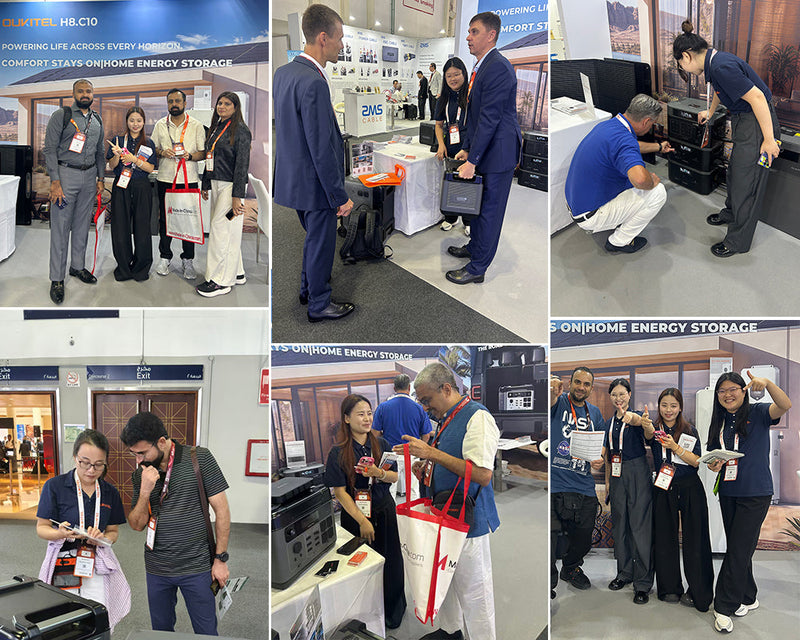
OUKITEL Power Brings Full-Scenario Energy Storage Solutions to Intersolar Middle East 2026 in Dubai
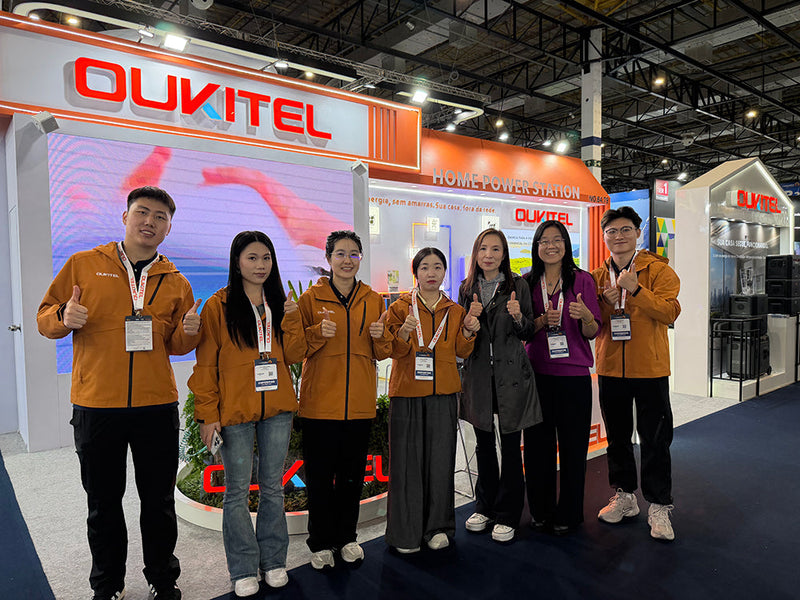
OUKITEL toont energieopslagoplossingen op Intersolar South America 2026 en versnelt uitbreiding naar Latijns-Amerika
De Europese huiseigenaarsgids om warmtepomprekeningen te verlagen met thuisbatterijen en slimme tarieven
Zonnepanelen en batterij dimensioneren voor een winterwarmtepomp: een koude-klimaatgids voor Europa (Duitsland, Zweden, Oekraïne)
Overlevingsgids voor warmtepompen bij stroomuitval: uw batterij rekken tijdens meerdaagse winteruitval