C01
C01


Btw-verlaging op thuisbatterijen in Europa: een landenoverzicht
Voor veel huiseigenaren in het Verenigd Koninkrijk en Europa is het toevoegen van een thuisbatterij aan zonnepanelen of als zelfstandige noodstroom de logische volgende stap naar energieonafhankelijkheid. Toch kan de initiële kostprijs een hardnekkig obstakel zijn. In een aantal landen verlaagt een verlaagd of nul-tarief btw die kosten nu met duizenden euro's — als u de regels correct volgt. Andere landen bieden helemaal geen btw-voordeel, waardoor eigenaren op zoek moeten naar subsidies of belastingaftrek. Deze gids brengt in kaart welke Europese landen een zinvolle btw-verlaging bieden op thuisbatterij-installaties, legt de precieze voorwaarden uit (vooral voor het nieuw uitgebreide 0%-tarief in het VK) en laat zien hoe u de besparing kunt claimen zonder in veelvoorkomende valkuilen te trappen.

Hoe de btw-verlaging voor thuisbatterij-installaties in het VK precies werkt (voorwaarden en vereisten)
Het VK biedt momenteel een ruimhartig btw-beleid voor batterijopslag: een btw-tarief van 0% op de levering en installatie van elektrische opslagbatterijen voor woningen. Deze tijdelijke regeling geldt voor een beperkte periode, waarna het tarief stijgt naar het permanente verlaagde tarief[1] — nog steeds een aanzienlijke besparing ten opzichte van het standaardtarief. Belangrijk: het nultarief geldt ongeacht of u de batterij combineert met zonnepanelen. Een zelfstandige batterij die alleen op netstroom werkt, komt dus ook in aanmerking als deze in een woning wordt geïnstalleerd.
Om hiervan te profiteren, moet u een btw-geregistreerde installateur inschakelen die de batterij levert en installeert als één dienst. Zelfstandige aankopen van batterijen — bijvoorbeeld online een unit kopen en zelf een elektricien regelen — komen doorgaans niet in aanmerking. De woning moet volledig voor bewoning worden gebruikt; panden met gemengd gebruik (zoals een winkel met een woning erboven) komen mogelijk gedeeltelijk in aanmerking, maar u heeft dan professioneel advies nodig. Er is geen maximum aan de systeemgrootte en u hoeft geen specifiek energietarief te hebben.
Positief praktijkvoorbeeld: Sarah, een huiseigenaar in Manchester, besloot in 2026 een batterij van 10 kWh toe te voegen aan haar bestaande zonnepaneleninstallatie. Ze huurde een lokale btw-geregistreerde installateur in die de batterij leverde en de installatie als één klus uitvoerde. De factuur toonde een totaal van €6.200 (inclusief arbeid) met nul btw — een besparing van ongeveer €1.240 vergeleken met het standaardtarief. Sarah's systeem slaat nu voldoende zonne-energie van de middag op om haar avondvraag te dekken, en de btw-verlaging bracht haar terugverdientijd met bijna twee jaar naar voren.
Veelgemaakte fout: Tom, een flatbewoner in Londen, bestelde tijdens een uitverkoop een thuisbatterij bij een online winkel en betaalde daarna een aparte, niet-btw-geregistreerde elektricien om deze te installeren. Omdat de levering en installatie niet als één dienst door een btw-geregistreerd bedrijf werden geleverd, rekende de batterijleverancier het standaard btw-tarief. Zijn batterij van €8.500 kostte hem daardoor €1.700 extra die hij had kunnen vermijden. Toen hij later probeerde de btw terug te vorderen, bevestigde de Belastingdienst dat gesplitste aankopen niet voldoen aan de voorwaarden voor het nultarief.
De les is duidelijk: de installateur — niet de apparatuur — is de sleutel tot de btw-besparing. Vraag altijd om een gecombineerde factuur waarop zowel de batterij als de installatiearbeid van hetzelfde btw-geregistreerde bedrijf staan vermeld.
Btw-tarieven voor thuisbatterijen in Europa vergeleken: waar zijn de grootste besparingen?
Naast het VK passen verschillende andere Europese landen nu verlaagde btw-tarieven toe op batterijopslag voor woningen. De voorwaarden verschillen echter sterk, en sommige van de grootste ogenschijnlijke besparingen gaan gepaard met strikte voorwaarden.
De onderstaande tabel geeft een overzicht van de huidige situatie medio 2026, met het standaard btw-tarief als referentiepunt.
| Land | Btw op thuisbatterij-installatie | Belangrijkste voorwaarde | Status |
|---|---|---|---|
| Duitsland | 0% | Systeem ≤ 30 kWp, woning | Permanent |
| Nederland | 0% btw | Moet samen met zonnepanelen in één contract worden geleverd | Tijdelijk tot 31 mrt 2027 |
| Verenigd Koninkrijk | 0% | Woning, levering + installatie door btw-geregistreerd bedrijf | Tijdelijk tot 31 mrt 2027 |
| Ierland | 0% | Zonne-energie + batterij voor woningen | Huidig |
| Kroatië | 0% | Zonne-energie + batterij voor woningen | Huidig |
| Frankrijk | 5,5% (≤3 kWc) / 10% (3–9 kWc) | Gebouw ouder dan 2 jaar | Doorlopend |
| Italië | 10% | Zonne-energie + batterij voor woningen | Doorlopend |
| Spanje | 21% | Geen specifieke verlaging voor batterijen | – |
| Polen | 8% (bij in aanmerking komende subsidies) | Subsidieafhankelijk; standaard btw is normaal 23% | – |
| Zweden | Standaardtarief | Geen btw-verlaging; exportkredieten en arbeidsaftrek beschikbaar | – |
Bij een typisch zonne-energiesysteem van 10 kWp met batterijopslag van ongeveer €22.000, betekent het verschil tussen Duitsland's 0% en Spanje's 21% een initieel kostenverschil van €4.620 — meer dan genoeg om een extra batterij-uitbreidingspakket te bekostigen. Huiseigenaren in Duitsland en het VK hebben dus een aanzienlijk structureel voordeel.
Maar verlaagde btw is niet de enige route naar lagere initiële kosten. In markten waar het standaard btw-tarief van toepassing is, vullen een combinatie van belastingaftrek, belastingkredieten en belastingvoordelen vaak het gat. Zo kunnen de IDAE-subsidies in Spanje 15–40% van de systeemkosten dekken, en geeft Italië's Ecobonus een belastingaftrek van 50% op de inkomstenbelasting, gespreid over 10 jaar. Bij het beoordelen van een offerte moet u altijd de netto kosten berekenen na alle beschikbare steun, niet alleen het vermelde btw-tarief.
Praktische stappen om een btw-verlaging op uw batterij-installatie te krijgen
Het claimen van het verlaagde tarief is meestal eenvoudig als u vanaf het begin de juiste stappen volgt. De procedure verschilt per land, maar een aantal universele principes zijn van toepassing.
Verenigd Koninkrijk
- Zoek een btw-geregistreerde installateur. Vraag om hun btw-nummer en verifieer dit via de online btw-checker van het VK.
- Vraag een enkele gecombineerde offerte. De factuur moet de batterij en de installatiearbeid als één levering-en-installatie dienst tonen. Als u aparte regels voor goederen en arbeid ziet, verduidelijk dan dat het contract één dienst is — anders kan de Belastingdienst dit aanvechten.
- Bevestig dat het pand een woning is. Het adres op de factuur moet uw thuisadres zijn. Als u van plan bent een batterij in een vakantieverhuur te installeren, komt u meestal nog steeds in aanmerking, maar overleg met de installateur omdat panden met gemengd gebruik een geval-per-geval beoordeling nodig hebben.
- Bewaar de documentatie. Bewaar de factuur met nul btw minimaal zes jaar voor het geval er later vragen komen.
Duitsland — Het 0%-tarief is permanent ingebed in het verkoopsysteem. Elke residentiële installatie ≤30 kWp krijgt automatisch het nultarief; er is geen aparte aanvraag nodig. Vraag uw installateur om een Nullsteuersatz-factuur.
Nederland — De 0% btw is alleen geldig als de batterij onderdeel is van hetzelfde contract als de zonnepanelen. Als u in 2024 zonnepanelen heeft laten plaatsen en nu een losse batterij wilt, krijgt u het nultarief niet. Het is essentieel om vanaf het begin een gecombineerde installatie te plannen.
Frankrijk — Het verlaagde tarief van 5,5% of 10% hangt af van het vermogen van het systeem en de leeftijd van het gebouw. Nieuwbouw (jonger dan twee jaar) kan onderworpen zijn aan het standaard btw-tarief in plaats van de verlaagde tarieven, dus oudere woningen profiteren het meest. Vraag uw installateur altijd om het toepasselijke tarief te bevestigen voordat u tekent.
Let op de afweging: Het gebruik van een btw-geregistreerde installateur die alles in één pakket levert, kan soms iets duurder zijn dan een doe-het-zelf-aanpak waarbij u batterijen online koopt en een lokale elektricien inhuurt. De btw-besparing in het VK, Duitsland of Nederland loopt echter doorgaans in de duizenden euro's bij een typisch systeem (het exacte bedrag hangt af van de systeemgrootte en het btw-tarief van uw land), en weegt ruimschoots op tegen elke premie. De uitdaging is het vinden van een installateur die btw-geregistreerd is, MCS-geaccrediteerd (als u ook exportvergoedingen wilt) en bereid is het merk batterij te leveren dat u verkiest — maar het financiële argument is overtuigend.
Wat als u niet in aanmerking komt voor het verlaagde tarief? (Alternatieve besparingen en overwegingen)
Niet elke huiseigenaar past precies in de voorwaarden. U kunt een pand met gemengd gebruik bezitten, in een land wonen waar de btw 20% of hoger blijft, of gewoon de voorkeur geven aan het apart kopen van uw batterij. In deze gevallen zijn er verschillende realistische wegen om de netto kosten toch te verlagen.
-
Subsidies en premies. De Oostenrijkse EAG-subsidie dekt 20–30% van de geverifieerde kosten, België (Vlaanderen) biedt een batterijpremie van €850, en het Poolse Mój Prąd-programma draagt ongeveer €1.100 bij. Dit zijn directe geldbedragen, geen belastingvoordelen, dus ze verlagen het te betalen bedrag onmiddellijk.
-
Belastingkredieten en -aftrek. In markten zonder btw-verlaging kan een aftrek op de inkomstenbelasting even krachtig zijn. Italië's 50% Ecobonus halveert bijvoorbeeld effectief de kosten na belasting — zij het gespreid over tien jaar. Huiseigenaren in Zweden kunnen een arbeidsaftrek van 30% claimen op installatiewerk.
-
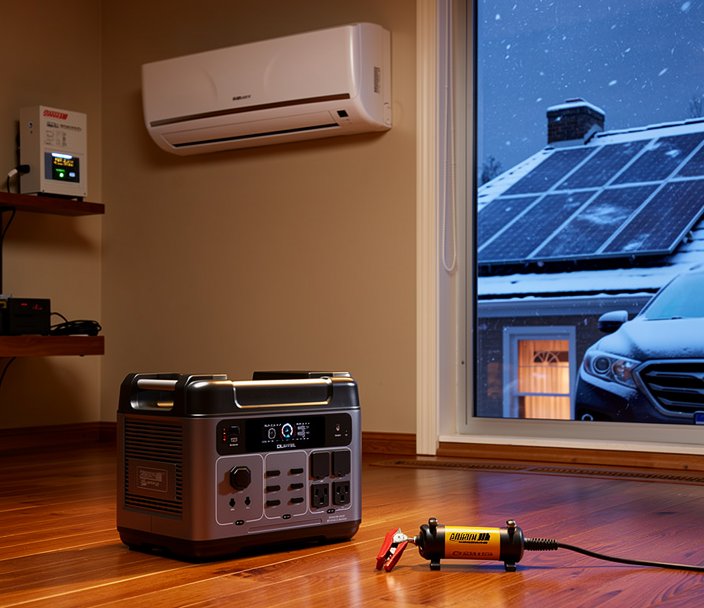
Draagbare powerstations als flexibel alternatief. Als een vaste batterij-installatie te duur lijkt of u huurt en het pand niet mag aanpassen, kan een draagbare powerstation dienen als semi-permanente thuisbatterij noodstroom. Zo biedt de OUKITEL P5000 Pro 5.120 Wh aan LiFePO4-capaciteit, 4.000 W AC-uitgang en een EPS-omschakeling onder 10 ms — genoeg om een koelkast, verlichting en router draaiende te houden tijdens een stroomuitval. Omdat het een consumentenproduct is dat met standaard btw wordt verkocht en geen installatie vereist, is er geen btw-gerelateerde valkuil, hoewel het een andere categorie is dan een permanent bedrade thuisbatterij. Veel huurders en huiseigenaren gebruiken het als tussenoplossing totdat ze in aanmerking komen voor een vaste installatie.
- Optimalisatie van eigen verbruik. In Spanje of Denemarken, waar geen specifieke btw-verlaging voor batterijen bestaat, draait het financiële verhaal vaak om het gebruik van de batterij om waardevolle zonne-energie van de middag naar de avond te verplaatsen en zo dure piektarieven te vermijden. Zelfs zonder belastingvoordeel kan een goed gedimensioneerde batterij zich binnen 7–10 jaar terugverdienen bij de huidige elektriciteitsprijzen, en u kunt het combineren met exportkredietschema's waar beschikbaar.
De grootste fout is om aan te nemen dat "geen btw-verlaging" gelijk staat aan "geen besparing." Vaak betekent het gewoon dat de besparing uit een andere bron komt — een subsidie, een aftrek, of slimmer energiegedrag.
Toekomstverwachting: zullen meer Europese landen btw-verlagingen op batterijen invoeren?
De trend is duidelijk richting lagere btw op batterijopslag voor woningen, gedreven door de bredere EU-push voor energieflexibiliteit en onafhankelijkheid. De beslissingen blijven echter nationaal, niet EU-breed. De Europese btw-richtlijn staat lidstaten al toe verlaagde tarieven toe te passen op "energiebesparende materialen," en de batterijspecifieke uitbreidingen die we sinds 2023 hebben gezien, zijn eenzijdige stappen geweest in plaats van een gecoördineerde richtlijn.
Het aflopen van de 0%-tarieven in het VK en Nederland in maart 2027 zal een cruciaal moment zijn. Tenzij ze worden verlengd, zullen beide landen terugvallen op een btw-tarief van 5% — nog steeds laag, maar een aanzienlijke sprong. Duitsland's permanente 0% heeft een politieke benchmark gezet die andere grote economieën (met name Frankrijk en Spanje) bestuderen, maar medio 2026 bestaat er in geen van beide landen een formeel voorstel. Ondertussen kunnen kleinere EU-staten die zonnepanelen al hebben vrijgesteld, logischerwijs het tarief uitbreiden naar batterijen, maar budgettaire beperkingen vertragen dergelijke stappen vaak.
Voor huiseigenaren die een installatie in 2026 of begin 2027 plannen, is de veilige strategie om de huidige 0%-vensters als echt tijdelijk te beschouwen. Als u in het VK of Nederland woont en uw installateur het werk voor de deadline kan inplannen, is het financiële voordeel van het nu vastleggen van nul btw aanzienlijk. Uitstel kan u honderden of duizenden euro's kosten als het tarief stijgt.
Conclusie
De btw-verlaging op thuisbatterijen in Europa is geen universeel recht — het is een lappendeken van tijdelijke en permanente beleidsmaatregelen die huiseigenaren belonen die zorgvuldig plannen. In het VK en Duitsland verlaagt het nultarief effectief de systeemprijs met tot een vijfde; in Frankrijk en Italië helpt een gematigde verlaging; elders moet de besparing komen uit subsidies, belastingvoordelen of veranderde gewoonten. De belangrijkste beslissingsregel is: gebruik altijd een btw-geregistreerde installateur die de batterij kan leveren en installeren als één contract. Splits de aankoop van de installatie, en de besparing verdampt. Als u niet in aanmerking komt voor een btw-verlaging op een vaste installatie, onderzoek dan alternatieve stimuleringsmaatregelen — of overweeg als alternatief een draagbare powerstation met grote capaciteit die de btw-rompslomp van installatie volledig omzeilt. Wat u ook doet, wacht niet tot de zonsondergang van 2027 om offertes te vergelijken.
Veelgestelde vragen
Wat is het huidige btw-tarief voor thuisbatterij-installaties in het VK?
Het tarief is 0% (nul) voor residentiële installaties waarbij de batterij wordt geleverd en geïnstalleerd door hetzelfde btw-geregistreerde bedrijf. Dit tijdelijke nultarief geldt tot 31 maart 2027, waarna het stijgt naar een permanent verlaagd tarief van 5%.
Moet ik zonnepanelen hebben om in aanmerking te komen voor de 0% btw-verlaging?
Nee. In het VK komt een thuisbatterij in aanmerking voor het 0%-tarief, ongeacht of deze wordt gecombineerd met zonnepanelen. Hetzelfde geldt in Duitsland. In Nederland moet de batterij echter onderdeel zijn van hetzelfde contract als de zonnepanelen om van de 0% btw te profiteren.
Hoe claim ik de btw-verlaging op mijn batterij-installatie?
U claimt deze niet zelf. De btw-geregistreerde installateur brengt het verlaagde of nultarief rechtstreeks in rekening op de factuur voor de gecombineerde levering-en-installatie dienst. U betaalt gewoon het lagere bedrag; er is geen apart teruggaafformulier of aanvraag bij de Belastingdienst nodig.
Welke andere Europese landen bieden btw-verlagingen voor thuisbatterijen?
Duitsland (0%, permanent), Nederland (0% btw tot maart 2027), Ierland (0%), Kroatië (0%), Frankrijk (5,5% of 10% afhankelijk van systeemgrootte en bouwjaar) en Italië (10%) bieden allemaal verlaagde tarieven. De exacte voorwaarden verschillen, en veel landen vereisen ook dat de batterij samen met zonnepanelen wordt geïnstalleerd.
Wat als mijn installateur niet MCS-gecertificeerd is — kan ik dan nog steeds het verlaagde tarief krijgen?
Ja. MCS-certificering is geen vereiste voor de btw-verlaging in het VK. De enige voorwaarde is dat de installateur btw-geregistreerd is en de batterij levert en installeert als één dienst. MCS-certificering is relevant voor andere regelingen, zoals Smart Export Guarantee-betalingen, maar niet voor btw-vermindering.
Referenties
- HM Revenue & Customs - Btw op energiebesparende materialen, https://www.gov.uk/guidance/vat-rates-on-different-goods-and-services
De informatie in dit artikel is in juli 2026 gecontroleerd aan de hand van actuele bronnen. Beleid, stimuleringsprogramma's en regelgeving veranderen regelmatig — raadpleeg altijd officiële bronnen voor de huidige voorwaarden voordat u financiële of juridische beslissingen neemt.
Latest articles
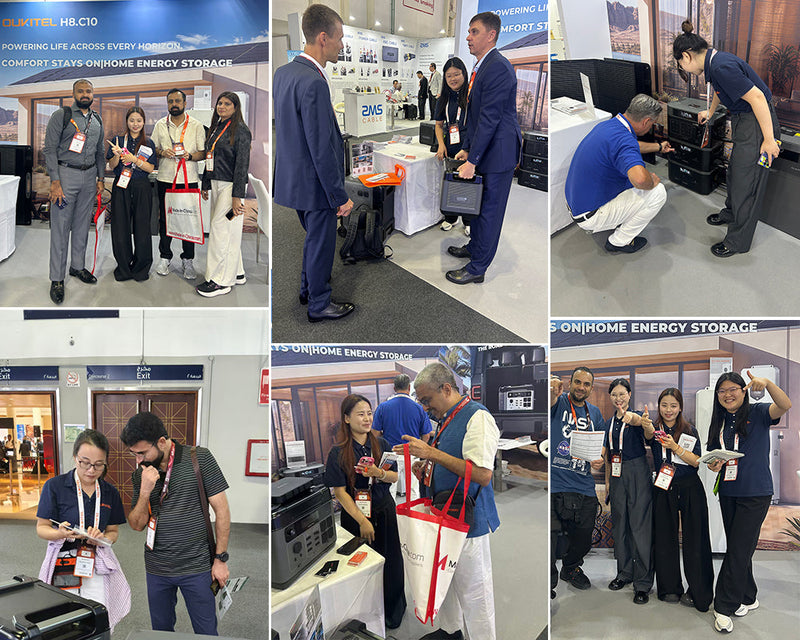
OUKITEL Power Brings Full-Scenario Energy Storage Solutions to Intersolar Middle East 2026 in Dubai
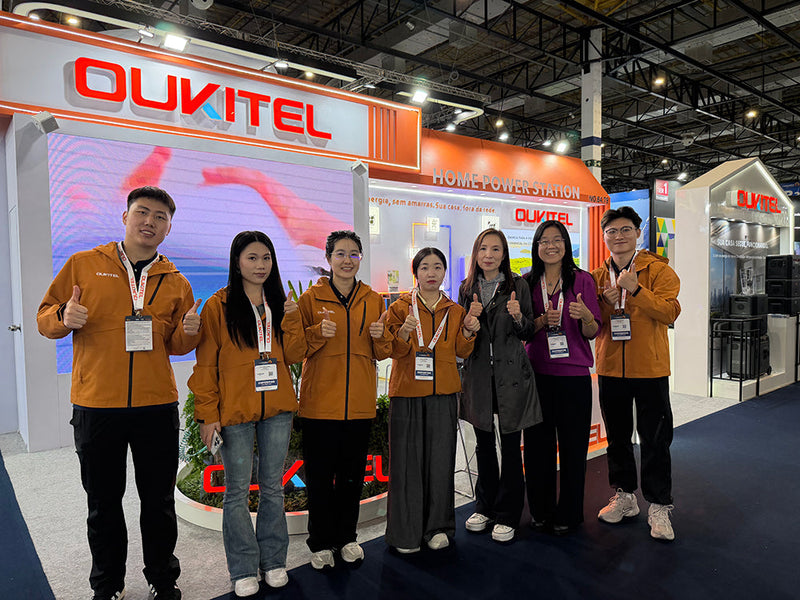
OUKITEL toont energieopslagoplossingen op Intersolar South America 2026 en versnelt uitbreiding naar Latijns-Amerika
De Europese huiseigenaarsgids om warmtepomprekeningen te verlagen met thuisbatterijen en slimme tarieven
Zonnepanelen en batterij dimensioneren voor een winterwarmtepomp: een koude-klimaatgids voor Europa (Duitsland, Zweden, Oekraïne)
Overlevingsgids voor warmtepompen bij stroomuitval: uw batterij rekken tijdens meerdaagse winteruitval