C01
C01


Zonne-energie draagbare powerstations voor de bouw: benut de zon op de bouwplaats
Bouwplaatsen worden traditioneel aangedreven door dieselgeneratoren of netstroom. Maar nu brandstofkosten stijgen en duurzaamheidseisen strenger worden, vragen veel aannemers zich af of zonne-energie draagbare powerstations traditionele stroombronnen kunnen vervangen of aanvullen. Het antwoord hangt af van uw gereedschap, uw zonlicht en uw verwachtingen. Deze gids biedt een praktisch kader voor het evalueren van zonne-energie op bouwplaatsen—gebaseerd op realistische omstandigheden, niet op marketingclaims.

Waarom zonne-energie draagbare powerstations logisch zijn voor bouwplaatsen
De aantrekkingskracht is duidelijk: stille, emissievrije stroom die zichzelf oplaadt met de zon. Voor bouwplaatsen op afgelegen locaties, in stedelijke gebieden met geluidsbeperkingen, of in milieugevoelige zones, elimineert zonne-energie laden de logistieke rompslomp van het bijvullen van generatoren en de CO2-voetafdruk van het verbranden van diesel. Maar de echte waarde komt naar voren wanneer u de totale eigendomskosten over een project van meerdere maanden berekent. Een typische 5kVA-generator verbrandt ongeveer 1,5 liter diesel per uur bij 60% belasting. Bij €1,50/liter is dat €2,25/uur—over 200 uur draaitijd is dat €450 aan brandstof alleen, plus olieverversingen, onderhoud aan de vonkenvanger en geluidsklachten. Een zonne-energie draagbare powerstation met voldoende capaciteit kan die terugkerende kosten compenseren of elimineren, en met LiFePO4-batterijen die 10 jaar of 4000+ cycli meegaan, worden de kosten per cyclus verwaarloosbaar.
Hoe zonne-energie laden op een bouwplaats werkt: panelen, batterijen en realistische overwegingen
Zonne-energie laden voor de bouw is niet plug-and-play zoals een generator. U hebt drie componenten nodig: fotovoltaïsche panelen, een laadregelaar (meestal MPPT in de powerstation), en de batterij zelf. De panelen vangen zonlicht op en zetten het om in gelijkstroom; de MPPT-regelaar optimaliseert de spanning om de energieoverdracht te maximaliseren; de batterij slaat het op voor later gebruik. Op een bouwplaats is de belangrijkste beperking dat zonnepanelen direct, onbeschaduwd zonlicht nodig hebben voor een zinvolle opbrengst. Ochtendnevel, stof, wolken en seizoensgebonden hoeken verminderen allemaal het werkelijke vermogen. Een 400W-paneel in perfecte middagzon in de zomer kan 400W produceren, maar onder typische bouwplaatsomstandigheden—gedeeltelijke bewolking, paneelhoek niet perfect afgesteld—kunt u 60–75% van het nominale vermogen verwachten tijdens piekuren. Dat betekent dat een 400W-paneel ongeveer 2–2,5 kWh levert in een goede 6-uur durende zonne-energievenster, niet de theoretische 2,4 kWh.
Een andere realistische factor: panelen moeten veilig worden geplaatst, weg van zware machines, voetgangersverkeer en diefstalrisico. Op de grond gemonteerde panelen op een plat dak of in een omheind gebied werken het beste. Sommige aannemers gebruiken mobiele karren om panelen te verplaatsen terwijl de zon beweegt, maar dat kost extra arbeid. Voor een draagbare powerstation zoals de OUKITEL P2001 Plus (2048Wh capaciteit, 500W max zonne-energie input), kan één compatibel 400W-paneel het van 0% naar 80% opladen in ongeveer 2,75 uur onder ideale omstandigheden—dubbel zo lang op een dag met gedeeltelijke bewolking. Voor de grotere P5000 Pro (5120Wh, 1000W zonne-energie input), kunnen twee 400W-panelen het in ongeveer 2–3 uur naar 80% brengen onder goed zonlicht. De conclusie: zonne-energie laden is haalbaar, maar vereist planning en realistische verwachtingen.
Uw zonne-energie-array dimensioneren: hoeveel zonne-energiecapaciteit hebt u echt nodig voor bouwplaatsgereedschap?
De gouden regel: uw zonne-energie-array moet worden gedimensioneerd om het dagelijkse energieverbruik aan te vullen, niet alleen om piekbelastingen van gereedschap te matchen. Begin met het berekenen van uw dagelijkse energiebudget. Maak een lijst van elk gereedschap en apparaat dat u wilt gebruiken, noteer het vermogen en schat het aantal gebruiksuren per dag. Vermenigvuldig om wattuur te krijgen. Bijvoorbeeld:
| Gereedschap | Nominaal vermogen | Uren/dag | Dagelijkse Wh |
|---|---|---|---|
| Cirkelzaag | 1500W | 1,5 | 2250 |
| Kleine compressor | 1000W (draaiend) | 2 | 2000 |
| LED-werkverlichting (4x) | 200W totaal | 8 | 1600 |
| Telefoon/radio opladen | 50W | 4 | 200 |
| Totaal | 6050 Wh |
Met een dagelijkse behoefte van 6050Wh hebt u een powerstation nodig met ten minste die capaciteit (zoals de P5000 Pro met 5120Wh zou iets te klein zijn, wat betekent dat u moet aanvullen) en een zonne-energie-array die ongeveer die hoeveelheid per dag kan genereren. Als u 5 uur goede zonne-energieproductie hebt, hebt u 6050Wh / 5h = 1210W aan zonnepanelen nodig. Dat betekent drie 400W-panelen (1200W totaal) of zes 200W-panelen. Houd echter rekening met 20% verlies voor realistische omstandigheden—dus 1500W aan panelen kan nodig zijn. Voor intermitterend gebruik (zaagsneden, compressorcycli) kunt u vaak volstaan met minder zonne-energie omdat gereedschap niet continu draait. Maar als u van plan bent om een compressor urenlang continu te laten draaien, kan zonne-energie alleen mogelijk niet bijbenen; u moet mogelijk zonne-energie combineren met snel AC-laden 's nachts.
De afwegingen: zonne-energie vs. generator vs. netstroom voor de bouw – wanneer wint zonne-energie?
Zonne-energie wint wanneer: de bouwplaats afgelegen is en netaansluiting duur of niet beschikbaar is; de projectduur 3+ maanden is en brandstofkosten hoog zouden zijn; geluidsvoorschriften generatoren na werktijd verbieden; of u nul emissies wilt voor een groen bouwcertificaat. Zonne-energie wint ook voor continue taken met laag vermogen, zoals verlichting, beveiligingscamera's en het opladen van batterijen.
Generator wint wanneer: u aanhoudend hoog vermogen nodig hebt (bijv. een 7kVA-lasser of grote compressor die de hele dag draait); u gratis of goedkope diesel hebt (hoewel zeldzaam); of het weer wekenlang consistent bewolkt is. Generatoren bieden ook direct hoog piekvermogen voor het starten van motoren, terwijl sommige draagbare powerstations pieklimieten hebben (hoewel OUKITEL-modellen 4800W piek bieden voor P2001 Plus en 8000W voor P5000 Pro, wat de meeste zagen en compressoren dekt).
Netstroom wint wanneer: er al een bouwaansluiting beschikbaar is; de klus kort is (minder dan een maand); of u 240V split-phase nodig hebt voor zwaar materieel. Netaansluitingen vereisen echter vaak een elektricien, meter en borg—kosten €300–€1000.
De praktische beslissingsregel: gebruik zonne-energie + batterij voor de basisbelasting (verlichting, opladen, ventilatoren) en vul aan met een kleine generator voor piekbelastingen of gebruik dubbel laden (AC + zonne-energie) om de batterij snel bij te vullen. Bijvoorbeeld, de OUKITEL P5000 Pro kan tot 3200W AC-input accepteren gecombineerd met 1000W zonne-energie, en laadt in iets meer dan een uur tot 80%—ideaal voor een middaglaadboost terwijl de panelen ook werken.
Praktische opstelling: zonnepanelen integreren met uw draagbare powerstation voor dagelijks gebruik
Op een typische bouwplaats plaatst u uw powerstation in een beschermd gebied (een droge aanhanger, onder een zeil, of in een geventileerde materieelberging). Plaats zonnepanelen op een zuidelijke locatie (op het noordelijk halfrond) met een hellingshoek rond uw breedtegraad. Gebruik MC4-verlengkabels (3m meegeleverd) om panelen op veilige afstand van actieve werkzones te houden. Plaats panelen 's ochtends en richt ze ongeveer zuidoost, verplaats ze rond het middaguur naar zuidwest om de opbrengst te maximaliseren. Hoewel dat extra werk is, kan een eenvoudige grondmontage met verstelbare poten de inspanning verminderen. Als alternatief, als panelen op een plat dak staan, stel ze dan vast op een helling van 30 graden—u verliest wat ochtend-/avondproductie, maar bespaart dagelijkse verplaatsingstijd.
Sluit de panelen aan op de zonne-energie-ingang van de powerstation met behulp van de MC4-connectoren. De MPPT-regelaar van het station zorgt voor spanningsafstemming. Voor OUKITEL-stations accepteert de P2001 Plus tot 500W zonne-energie (één 400W-paneel) en de P5000 Pro accepteert tot 1000W (twee 400W-panelen, of vijf 200W-panelen in serie/parallel). Monitor het station via de app-bediening (WiFi/Bluetooth) om realtime zonne-energie-input en laadstatus te zien. Als er wolken binnenkomen en u meer stroom nodig hebt, sluit het station dan aan op een generator of netstroom om AC te laden terwijl zonne-energie doorgaat—het station kan beide inputs combineren voor sneller laden.
Veelgemaakte fouten om te vermijden bij het gebruik van zonne-energie-stations op bouwplaatsen
Fout 1: Prestaties op bewolkte dagen onderschatten. Veel aannemers kopen zonnepanelen in de veronderstelling dat ze altijd het nominale vermogen produceren. Op bewolkte winterdagen kan een 400W-paneel slechts 50–100W leveren. Als uw dagelijkse energiebudget 5kWh is, hebt u 3–4 dagen nodig om op te laden. Oplossing: zorg altijd voor een back-up laadbron (generator of netstroom) of vergroot uw zonne-energie-array met 50% voor seizoensmarge.
Fout 2: Beveiliging van panelen negeren. Zonnepanelen die onbeveiligd op een bouwplaats achterblijven, zijn gewilde diefstalobjecten. Gebruik vergrendelingsbeugels, kabelsloten of sla panelen 's nachts op in een afgesloten container. Sommige aannemers monteren panelen op een skid die met een vorkheftruck in opslag kan worden getild.
Fout 3: Zware gereedschappen direct op zonne-energie laten draaien zonder batterijbuffer. Zonnepanelen alleen kunnen de piekstartstroom van een afkortzaag of compressor niet aan. Laat gereedschap altijd via de omvormer van de powerstation lopen, die stabiele spanning en piekvermogen biedt. Sluit nooit een gereedschap direct aan op de uitgang van het zonnepaneel.
Fout 4: Geen rekening houden met omvormerverlies. De omvormer in een draagbare powerstation is doorgaans meer dan 90% efficiënt, maar onder zware belasting kan het verlies 10–15% bereiken. Vermenigvuldig bij het dimensioneren het vermogen van uw gereedschap met 1,1 om het werkelijke verbruik van de batterij te krijgen. Een zaag van 1500W trekt eigenlijk ~1650W uit de batterij. Plan dienovereenkomstig.
Voor een diepere blik op welke specifieke gereedschappen haalbaar zijn, zie ons begeleidende artikel Wat draagbare powerstations op een bouwplaats kunnen aandrijven. En voor een volledig kader voor het integreren van powerstations in uw site-operaties, lees de Draagbare powerstations voor bouw & bouwplaatsen: de complete gids voor aannemers.
Veelgestelde vragen
Hoeveel zonnepanelen heb ik nodig om een typische bouwplaats te laten draaien?
Dat hangt af van uw dagelijkse energieverbruik. Voor een lichte bouwplaats (zaag, verlichting, opladen) is 2–4 kWh/dag nodig, wat 400–800W aan zonnepanelen vereist bij goed zonlicht. Voor een zware site (compressor, meerdere zagen, 8+ uur) kan 6–10 kWh/dag 1500–2000W aan panelen vereisen. Houd altijd rekening met 20% verlies voor realistische omstandigheden en zorg voor back-up laden.
Kunnen zonne-energie-stations gereedschappen met hoog vermogen, zoals zagen of compressoren, continu aandrijven?
Ja, als de powerstation voldoende omvormercapaciteit heeft (bijv. 2400W voor P2001 Plus, 4000W voor P5000 Pro) en voldoende batterijcapaciteit om de belasting te ondersteunen. Een cirkelzaag (1500W) kan ongeveer 1,3 uur draaien op een 2048Wh-batterij. Maar de continue draaitijd wordt beperkt door de batterijcapaciteit, niet door zonne-energie-input—zonne-energie laadt langzaam op. Voor gebruik de hele dag, combineer met AC-laden of een generator.
Wat gebeurt er op bewolkte dagen of in de winter – laadt mijn powerstation dan nog op?
Ja, maar tegen sterk gereduceerde snelheid. Een 400W-paneel kan bij zware bewolking slechts 50–100W produceren. In de winter verminderen kortere dagen en lagere zonnestanden de productie verder met 40–60%. Plan door zonnepanelen te vergroten of gebruik dubbel AC + zonne-energie laden. De OUKITEL P5000 Pro kan AC-input (3200W) combineren met zonne-energie (1000W) voor snel bijladen, zelfs bij slecht weer.
Is het kosteneffectiever om een zonne-energie-opstelling te huren of te kopen voor een lang project?
Voor projecten langer dan 3 maanden wint kopen meestal. Een 400W-paneel + 2048Wh powerstation kost ongeveer €2000, terwijl het huren van vergelijkbare apparatuur €500–€800 per maand kan kosten. Over 6 maanden bespaart kopen geld en u bezit de apparatuur voor toekomstige projecten. Voor korte klussen onder 1 maand vermijdt huren de initiële kapitaaluitgave en opslagzorgen.
Kan ik zonne-energie laden combineren met net- of generatorladen voor snellere bijvulling?
Ja, veel moderne powerstations ondersteunen gelijktijdig AC- en zonne-energie laden, ook wel dubbele input genoemd. De OUKITEL P2001 Plus kan 1800W AC + 500W zonne-energie accepteren voor een gecombineerde input van 2300W, en laadt in ongeveer 50 minuten tot 80%. Dit is ideaal tijdens lunchpauzes wanneer u een generator kunt aansluiten terwijl de panelen nog actief zijn.
Latest articles
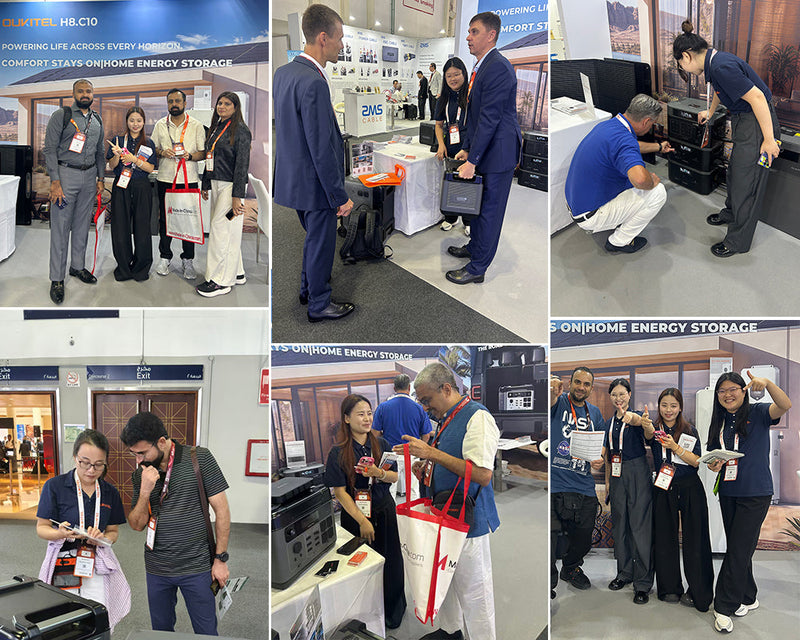
OUKITEL Power Brings Full-Scenario Energy Storage Solutions to Intersolar Middle East 2026 in Dubai
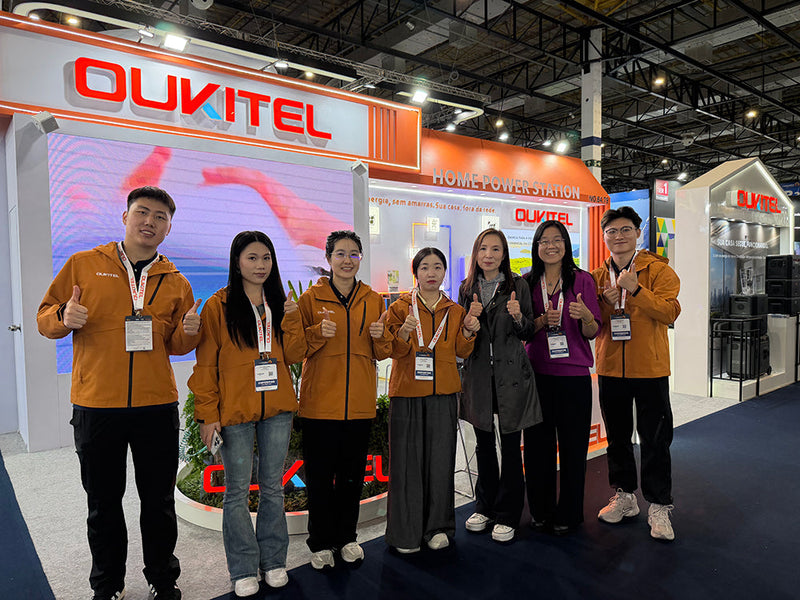
OUKITEL toont energieopslagoplossingen op Intersolar South America 2026 en versnelt uitbreiding naar Latijns-Amerika
De Europese huiseigenaarsgids om warmtepomprekeningen te verlagen met thuisbatterijen en slimme tarieven
Zonnepanelen en batterij dimensioneren voor een winterwarmtepomp: een koude-klimaatgids voor Europa (Duitsland, Zweden, Oekraïne)
Overlevingsgids voor warmtepompen bij stroomuitval: uw batterij rekken tijdens meerdaagse winteruitval