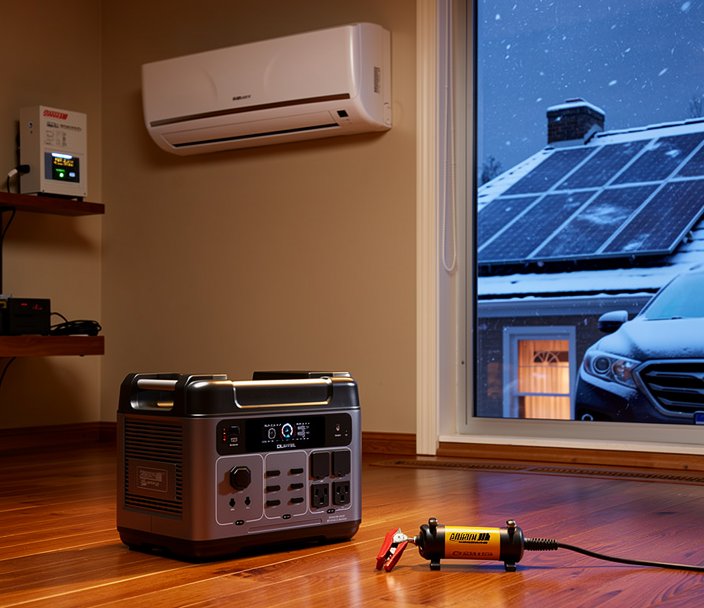
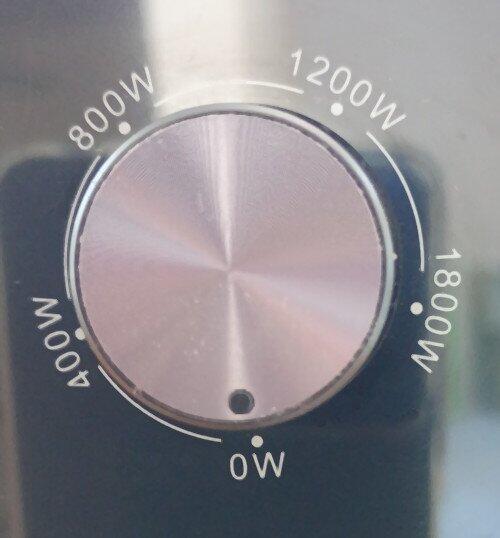
C01
C01


Przemysłowe przenośne stacje zasilania do użytku profesjonalnego i komercyjnego: praktyczny przewodnik
Praca komercyjna wymaga źródła zasilania, które nie zawiedzie. Niezależnie od tego, czy zasilasz młot pneumatyczny na 28. piętrze wieżowca, obsługujesz czuły sprzęt audio na weselu, czy utrzymujesz mobilne laboratorium w zapylonym terenie, zła decyzja kosztuje czas i pieniądze. Ten przewodnik przeprowadzi Cię przez najważniejsze kompromisy — profile obciążenia, czas pracy, ograniczenia na placu budowy i cykle pracy — abyś mógł wybrać odpowiednią przemysłową przenośną stację zasilania do codziennej działalności. Jest napisany dla ludzi, którzy nie mają luksusu prób i błędów.

Czym różni się profesjonalne zasilanie przenośne
Przenośna stacja zasilania, która radzi sobie z okazjonalnymi wypadami na kemping, nie jest stworzona do codziennego komercyjnego użytku. Urządzenia klasy profesjonalnej wyróżniają się w trzech obszarach: utrzymanie wysokiej mocy, szybkie ładowanie w realnych warunkach pracy oraz architektura bezpieczeństwa tolerująca ciągłe obciążenie. Na placu budowy może być potrzebne 3200W na piłę i jednocześnie odciąg pyłu, podczas gdy zestaw DJ-ski pobiera stałe 2500W plus skoki rozruchowe dla wzmacniaczy subwoofera. Inwerter musi utrzymać znamionową moc bez przegrzewania przez wiele godzin. Urządzenia konsumenckie często redukują moc po 30 minutach pod dużym obciążeniem; stacje klasy komercyjnej utrzymują moc aż do wyczerpania baterii, dzięki aktywnemu chłodzeniu i większym inwerterom. Szukaj inwertera z czystą falą sinusoidalną — każdy silnik lub sprzęt AV nie toleruje modyfikowanej fali sinusoidalnej.
Szybkie ładowanie jest równie ważne. Ekipa, która kończy pracę o 17:00 i zaczyna o 6:00, ma 13-godzinne okno, ale jeśli pracuje off-grid, może polegać na generatorze w ciągu dnia i potrzebować naładować stację bateryjną w nocy. Nowoczesne przemysłowe przenośne stacje zasilania mogą przyjmować ładowanie AC o mocy do 3200W, uzupełniając 80% w mniej niż 1,5 godziny. Połączenie ładowania AC i słonecznego może skrócić ten czas do 40 minut, co pozwala na doładowanie podczas przerwy na lunch.
Trzeci wyróżnik to bezpieczeństwo w trudnych warunkach. Pył, wibracje i wahania temperatury to codzienność. Minimum to bateria litowo-żelazowo-fosforanowa (LiFePO4), która oferuje 4000–5000+ cykli do 80% pojemności i znacznie lepszą stabilność termiczną niż popularne ogniwa litowo-jonowe NMC. Ta chemia zmniejsza ryzyko pożaru, nawet gdy urządzenie stoi w gorącej skrzynce narzędziowej. Profesjonalne stacje często mają zaawansowany system zarządzania baterią (BMS), który chroni przed nadmiernym prądem, napięciem i zwarciem — rzeczy, które zdarzają się, gdy ktoś źle zwinie kabel.
Kluczowe kompromisy: rozmiar inwertera, pojemność i cykl pracy
Największym błędem profesjonalistów jest mylenie mocy (chwilowej) z watogodzinami (całkowitą energią). Możesz mieć inwerter 4000W, który wyczerpie się w 20 minut, bo bateria jest za mała. Albo ogromną baterię 5000Wh, która nie uruchomi pilarki tarczowej, bo inwerter nie ma wystarczającego zapasu mocy szczytowej. Zastosowanie komercyjne wymaga dopasowania obu.
Zasada doboru inwertera: zsumuj moc roboczą wszystkich narzędzi, które będą pracować jednocześnie, a następnie dodaj największy skok rozruchowy. Typowa pilarka tarczowa 10-calowa pobiera 1800W przy pracy, ale może skoczyć do 4500W, gdy ostrze wchodzi w twarde drewno. Jeśli moc szczytowa stacji tego nie pokryje, pilarka zwolni lub inwerter się wyłączy. Parametry stacji, takie jak „4000W ciągłej mocy, 8000W mocy szczytowej”, są tu istotne. Dla mieszanych obciążeń — pilarka i odkurzacz — suma mocy ciągłej musi również pozostać poniżej limitu.
Dobór pojemności: watogodziny (Wh) = średnie obciążenie w watach × pożądany czas pracy w godzinach. Ekipa szkieletowa używająca piły do cięcia poprzecznego o mocy 2000W przez 4 rzeczywiste godziny pracy potrzebuje około 8000Wh. To przekracza możliwości większości przenośnych stacji, więc albo doładują w środku dnia, albo użyją generatora do najcięższego narzędzia, a stacji do oświetlenia i ładowarek. To prowadzi do koncepcji cyklu pracy: jak długo narzędzie faktycznie pracuje w ciągu godziny. Cykl pracy 20% (12 minut na godzinę) zmniejsza zapotrzebowanie na energię do jednej piątej mocy znamionowej narzędzia w ciągu zmiany. Obliczanie z „mocy z tabliczki znamionowej × godziny zmiany” znacznie zawyży pojemność baterii.
Praca generalnego wykonawcy często dzieli się: duży kompresor lub spawarka pozostaje na generatorze, a OUKITEL P2001 Pro z pojemnością 2048Wh i mocą 3200W cicho zasila mniejsze piły, ładowarki i oświetlenie. Dzięki temu generator nie pracuje na biegu jałowym przy niskim obciążeniu, oszczędzając paliwo i redukując hałas.
Kompromis: większa pojemność oznacza większą wagę. Stacja 2048Wh waży około 25 kg; jednostka 5120Wh może ważyć 53 kg. To do udźwignięcia na wózku, ale jeśli codziennie wnosisz ją po schodach, waga staje się czynnikiem decydującym. Nie ma lekkiej stacji 5000Wh — fizyka na to nie pozwala. Wybierz najmniejszą użyteczną baterię do najcięższego okna pracy i użyj szybkiego ładowania, aby wydłużyć czas pracy.
Rozwiązania zasilania w zależności od branży: przegląd
Komercyjne zasilanie przenośne nie jest uniwersalne. Ta sama stacja, która zasila piłę do betonu, może być przesadą dla sprzedawcy na targu, a stacja idealna dla ekipy filmowej może nie mieć wystarczającej mocy szczytowej do uruchomienia silnika. Poniżej znajduje się szybka mapa przypadków użycia, a każda sekcja zawiera link do szczegółowego przewodnika po scenariuszach, aby ułatwić planowanie.
- Budownictwo i ciężkie prace: wysoka moc szczytowa, odporność na pył, szybkie ładowanie. Zobacz Zasilanie na placu budowy: jak wybrać przenośny generator lub baterię.
- Wydarzenia i występy na żywo: czyste zasilanie, cicha praca, długi czas pracy. Zobacz Zasilanie dla DJ-ów: jak utrzymać sprzęt w ruchu podczas wydarzeń.
- Stoiska targowe i mobilny handel: wiele urządzeń o niskiej mocy, wygląd, ograniczenia hałasu. Zobacz Zasilanie stoiska targowego: jak wybrać przenośny generator dla sprzedawców.
- Mobilne usługi (np. detailing samochodowy): przenośność, odporność na wodę, wsparcie urządzeń. Zobacz Zasilanie sprzętu do detailingu samochodowego przenośną stacją zasilania.
Budownictwo, konserwacja i ciężkie prace
Place budowy narażają stacje zasilania na pył, upadki i nieprzewidywalne obciążenia. Kluczowa jest moc szczytowa: narzędzia takie jak tarczówki, wiertarki udarowe i kompresory powietrza pobierają 3–5× więcej prądu przy starcie niż podczas pracy. Stacja z solidnym inwerterem i szybkim wyłącznikiem poradzi sobie z tym bez wyłączania. Na przykład OUKITEL P5000 Pro zapewnia 4000W ciągłej mocy i 8000W mocy szczytowej z baterii LiFePO4 o pojemności 5120Wh, co pozwala zasilać jednocześnie 10-calową pilarkę tarczową i odciąg pyłu przez cały poranek cięcia.
Typowy błąd: zakładanie, że „moc szczytowa” stacji może być utrzymana. Wiele produktów reklamuje szczyt 6000W, ale to tylko milisekundy; realna użyteczna moc szczytowa może być o połowę mniejsza. Jeśli używasz narzędzia, które potrzebuje 2-sekundowego skoku rozruchowego, sprawdź, czy stacja podaje dedykowaną wartość mocy szczytowej (np. 8000W), a nie tylko szczytową watogodzinę.
Hipotetyczny pozytywny przypadek: Wyobraź sobie wykonawcę remontów, Marka, który prowadzi wyburzenia wewnętrzne w zajętym biurowcu. Budynek zabrania używania generatorów benzynowych w pomieszczeniach ze względu na tlenek węgla, a przedłużacze z parkingu stanowią zagrożenie potknięcia. Marek używa przenośnej stacji zasilania 3200W / 2048Wh na wózku. Zasila piłę szablastą i lampę roboczą przez całe piętro pracy, a następnie podjeżdża do okna na 40-minutowe szybkie ładowanie podczas lunchu. Hałas jest zerowy, a klient unika skarg. Ekipa Marka kończy na czas bez piszczących czujników CO.
Hipotetyczny negatywny przypadek: Załóżmy, że dekarz, Juan, kupuje przenośną stację zasilania o pojemności 2000Wh i inwerterze 2000W, aby zasilać kompresor do gwoździarki. Kompresor ma skok rozruchowy 2800W. Za każdym razem, gdy kompresor się uruchamia, inwerter się wyłącza i Juan musi podejść, aby go zresetować. Po dniu przerw rezygnuje i pożycza generator, marnując inwestycję w stację. Wniosek: skok rozruchowy kompresora, a nie jego moc robocza, decyduje o minimalnym rozmiarze inwertera.
Wydarzenia, rozrywka i występy na żywo
W przypadku nagłośnienia na żywo, sprzętu DJ-skiego i oświetlenia eventowego jakość zasilania jest równie ważna jak ilość. Sprzęt audio jest wrażliwy na wahania napięcia i zniekształcenia harmoniczne. Inwerter z czystą falą sinusoidalną i niskim całkowitym zniekształceniem harmonicznym (THD) jest niezbędny — w przeciwnym razie usłyszysz buczenie w PA, które zepsuje występ. Miejsca wydarzeń wymagają również ciszy. Generator benzynowy buczący 50 metrów dalej niweczy sens akustycznego występu. Stacja bateryjna pracuje całkowicie cicho, słychać tylko wentylatory chłodzenia, a niektóre modele wyłączają je całkowicie przy niskim obciążeniu.
Wyzwaniem jest często czas pracy. System DJ-ski pobierający 2500W ciągłej mocy z oświetleniem potrzebuje około 4 kWh na 90-minutowy set. Wiele średnich stacji osiąga ten wynik, ale nie zostawia marginesu na bisy. Rozwiązanie: wybierz stację z ładowaniem przelotowym, które może przyjmować zasilanie AC podczas oddawania czystej energii, praktycznie wydłużając czas pracy w nieskończoność, o ile możesz bezpiecznie podłączyć się do gniazdka w miejscu wydarzenia. Jeśli miejsce ma niestabilne zasilanie lub jesteś całkowicie off-grid, połącz stację 5120Wh, taką jak P5000 Pro, z zestawem paneli słonecznych — chociaż pogody nie kontrolujesz, sama bateria pokrywa cały set plus zmianę.
Realne ograniczenie: sprzedawcy eventowi często pracują na zewnątrz w zmiennych warunkach pogodowych. Chociaż stacja może działać w zakresie od 0°C do 40°C, ładowanie poniżej zera może uszkodzić baterie litowe. Jeśli pracujesz na zimowych festiwalach, trzymaj stację w ogrzewanym namiocie lub pojeździe, dopóki nie będzie potrzebna.
Specjalistyczne operacje terenowe i mobilne
Badacze terenowi, mobilni mechanicy i serwisanci drogowy mają unikalne wymagania: przenośność, niezawodne wyjście 12V i często możliwość zasilania wrażliwego sprzętu laboratoryjnego. Dobra przenośna stacja zasilania zastępuje plątaninę inwerterów samochodowych i zapasowych baterii. W detailingu samochodowym port USB-C o mocy 100W może zasilać ładowarki do narzędzi bezprzewodowych, a gniazda AC napędzają odkurzacz mokry/suchy i polerkę. P2001 Pro ma port USB-C PD o mocy 100W oraz dodatkowe porty USB-C o niższej mocy i dedykowane wyjścia 12V, co pozwala jednocześnie ładować baterie i zasilać mniejsze pompy.
Sprzedawcy na stoiskach targowych — food trucki, stoiska rzemieślnicze — stają przed innym wyzwaniem: niska łączna moc, ale wiele małych urządzeń (tablet POS, lampki LED, mini lodówka, ładowarka do telefonu). Stacja 2000Wh może zasilać stoisko przez cały dzień targowy, unikając hałasu i spalin generatora, które często łamią regulamin targów. Cisza poprawia również doświadczenia klientów.
W operacjach mobilnych z wieloma przystankami waga jest kluczowa. Stacja 25 kg, taka jak P2001 Pro, jest do udźwignięcia przez jedną osobę do vana. Cięższe jednostki 50+ kg wymagają dwóch osób lub rampy. Przed zakupem przećwicz przenoszenie urządzenia z pojazdu do miejsca pracy pod koniec męczącego dnia — jeśli to walka, zostawisz je w tyle, co mija się z celem.
Kluczowe funkcje dla użytkowników komercyjnych
Poza watami i watogodzinami, pewne funkcje odróżniają komercyjnego konia roboczego od hobbystycznej zabawki:
- Przełączanie EPS (Emergency Power Supply) <10 ms: Jeśli używasz stacji jako zasilania bezprzerwowego dla systemu POS lub lodówki medycznej, im szybsze przełączenie, tym lepiej. Przełączenie <10 ms zapobiega ponownemu uruchamianiu komputerów.
- Regulowana prędkość ładowania AC: Możesz chcieć pełnego ładowania 1800W na placu budowy, ale 600W, gdy jesteś podłączony do standardowego obwodu domowego współdzielonego z innymi narzędziami. Regulowane wejście daje elastyczność i zapobiega wyzwalaniu bezpieczników.
- Inteligentne chłodzenie: Szukaj wielu wentylatorów, które zwiększają obroty w zależności od temperatury. Urządzenie z czterema inteligentnymi wentylatorami, takie jak P5000 Pro, może utrzymać moc 4000W bez przegrzewania nawet w upalny dzień, pracując prawie bezgłośnie przy niskich obciążeniach.
- Sterowanie aplikacją: WiFi/Bluetooth umożliwia zdalne monitorowanie i planowanie. Dla firmy z wieloma stacjami oznacza to sprawdzanie stanu naładowania i zmianę ustawień bez podchodzenia do urządzenia.
- Gwarancja i wsparcie: Użytkowanie komercyjne przyspiesza cykle. Gwarancja 3+ lat obejmująca 2000+ pełnych cykli świadczy o tym, że producent spodziewa się codziennego użytkowania. OUKITEL oferuje subskrypcyjną gwarancję 1+2 lata na serię Pro, a żywotność baterii szacowana jest na 10 lat.
Nigdy nie ignoruj bezpieczeństwa transportu. Wszystkie stacje klasy komercyjnej powinny posiadać certyfikat UN38.3 dla transportu baterii litowych — jest to obowiązkowe dla transportu lotniczego i często wymagane przy transporcie lądowym. Bez niego możesz nie być w stanie wysłać urządzenia na odległy plac budowy ani zabrać go na pokład samolotu cargo.
Jak dopasować stację zasilania do swojego dnia pracy
Zamiast przeglądać specyfikacje i czuć się przytłoczonym, przejdź przez prostą sekwencję decyzyjną:
- Wypisz każde urządzenie, które będziesz zasilać jednocześnie, odnotowując moc roboczą i moc szczytową. Zaznacz największy skok rozruchowy.
- Określ najdłuższe okno nieprzerwanej pracy (np. 3-godzinna poranna sesja bez ładowania). Pomnóż całkowitą moc roboczą przez godziny, aby uzyskać wymagane Wh. Następnie dodaj 20–30% marginesu bezpieczeństwa.
- Sprawdź logistykę ładowania: ile czasu zajmuje naładowanie od zera do 80%? Czy możesz ładować podczas lunchu lub w nocy? Jeśli masz tylko 4-godzinne okno, stacja z 1-godzinnym szybkim ładowaniem AC jest cenniejsza niż ta z większą pojemnością, która ładuje się 8 godzin.
- Oceń ograniczenia fizyczne: waga, wymiary, czy zmieści się przez drzwi? Czy można ją zamknąć? Czy jest wystarczająco odporna na pył? Szukaj urządzenia z solidną obudową i znamionową temperaturą pracy dopasowaną do Twojego klimatu.
- Zweryfikuj certyfikaty bezpieczeństwa: UN38.3 to absolutne minimum. Sprawdź CE, FCC, RoHS. Jeśli Twoja praca obejmuje kontrakty rządowe lub ścisłe inspekcje OSHA, sprawdź, czy uznawane są dodatkowe normy, takie jak UL 2743; pamiętaj, że nie wszystkie profesjonalne stacje mają certyfikat UL, ale to nie czyni ich automatycznie niebezpiecznymi, jeśli posiadają inne międzynarodowe certyfikaty.
Postępując zgodnie z tym schematem, unikniesz dwóch omawianych błędów: zakupu zbyt małego inwertera (ciągłe wyłączanie) lub przepłacenia za pojemność, której nigdy nie naładujesz. Urządzenie takie jak P2001 Pro pokrywa optymalny punkt 2000Wh/3200W dla wielu wykonawców i sprzedawców eventowych; P5000 Pro podwaja pojemność i zapas inwertera dla ciężkich ciągłych obciążeń. Niezależnie od kierunku, wybierz stację, która pasuje do Twojego najcięższego dnia, a nie przeciętnego, ponieważ to w trudne dni zarabiasz pieniądze.
Podsumowanie
Podstawowa zasada wyboru profesjonalnego zasilania przenośnego jest prosta: dobierz inwerter do największego skoku rozruchowego Twojego narzędzia, baterię do najdłuższego okna nieprzerwanej pracy, a prędkość ładowania do najkrótszego czasu na doładowanie. Jeśli zawiedziesz w którymkolwiek z tych punktów, będziesz przeklinać maszynę. Jeśli wszystkie trzy będą dobrze dobrane, nigdy nie wrócisz do generatora benzynowego, z wyjątkiem najcięższych ciągłych obciążeń. Skorzystaj ze szczegółowych przewodników scenariuszowych powyżej, aby zawęzić wybór do swojej branży, a następnie zweryfikuj decyzję testem w realnych warunkach, uruchamiając swoje narzędzia na urządzeniu przed poleganiem na nim w płatnej pracy.
Często zadawane pytania
Czy mogę całkowicie zastąpić generator na placu budowy przenośną stacją zasilania?
W wielu przypadkach tak. Jeśli Twoje narzędzia są przewodowe i łącznie nie przekraczają 4000W ciągłej mocy, a skoki rozruchowe są poniżej 8000W, stacja o dużej pojemności, taka jak OUKITEL P5000 Pro, może zasilać je przez kilka godzin. Jeśli jednak używasz kompresora diesla lub spawarki o wysokim poborze mocy, prawdopodobnie zachowasz generator dla tych obciążeń, a stację bateryjną wykorzystasz do pił, oświetlenia i ładowarek, aby skrócić czas pracy generatora i hałas.
Co jest ważniejsze do użytku profesjonalnego: moc czy watogodziny?
Żadnego nie można zignorować. Moc musi pokryć jednoczesne obciążenia plus największy skok rozruchowy; watogodziny decydują o tym, jak długo możesz pracować. Dla stolarza używającego pilarki ukośnej (1800W) przez 2 godziny potrzebne są oba — inwerter 2000W z baterią 4000Wh wystarczy. Ale inwerter 4000W z baterią tylko 1000Wh wyczerpie się w 15 minut. Dopasuj oba do swojego najcięższego dnia.
Jak naładować stację zasilania w nocy, gdy mam poranne zmiany?
Użyj szybkiego ładowania AC zaraz po zakończeniu pracy. Wiele stacji klasy profesjonalnej ładuje się od 0 do 80% w mniej niż 1,5 godziny przy 1800W lub szybciej. Podłącz do standardowego gniazdka na miejscu lub w warsztacie. Przy 4-godzinnym oknie (np. od 17:00 do 21:00) możesz w pełni naładować i być gotowym na zmianę o 7:00. Jeśli naprawdę masz napięty nocny harmonogram, stacja z podwójnym wejściem AC + słonecznym może napełnić się jeszcze szybciej w ciągu dnia.
Czy bezpiecznie jest zasilać wrażliwy sprzęt audio lub wideo z przenośnej baterii?
Tak, pod warunkiem, że stacja ma inwerter z czystą falą sinusoidalną i niskim całkowitym zniekształceniem harmonicznym. Sprzęt audio jest szczególnie wrażliwy na modyfikowaną falę sinusoidalną, która może powodować buczenie i szumy. Profesjonalne ekipy eventowe używają stacji z czystą falą sinusoidalną do zasilania mikserów, procesorów i wzmacniaczy. Przełączanie EPS <10 ms w niektórych modelach sprawia również, że nadają się one do zasilania awaryjnego systemów monitoringu.
Czy jedna stacja zasilania może zasilać wiele narzędzi lub urządzeń jednocześnie?
Tak, o ile łączna moc robocza nie przekracza ciągłej mocy znamionowej stacji. Stacja 4000W może zasilać pilarkę tarczową (1800W) i odciąg pyłu (1200W) w tym samym czasie. Kluczowe jest sprawdzenie całkowitego obciążenia roboczego, a nie tylko osobnych parametrów narzędzi, oraz upewnienie się, że stacja ma wystarczającą liczbę gniazd AC (np. 4 lub 5), aby fizycznie podłączyć wszystko bez łączenia w łańcuch.
Ten artykuł został napisany na podstawie aktualnych źródeł z lipca 2026 r. Szczegóły mogą się zmieniać — przed poleganiem na nich zweryfikuj aktualne informacje.
Latest articles
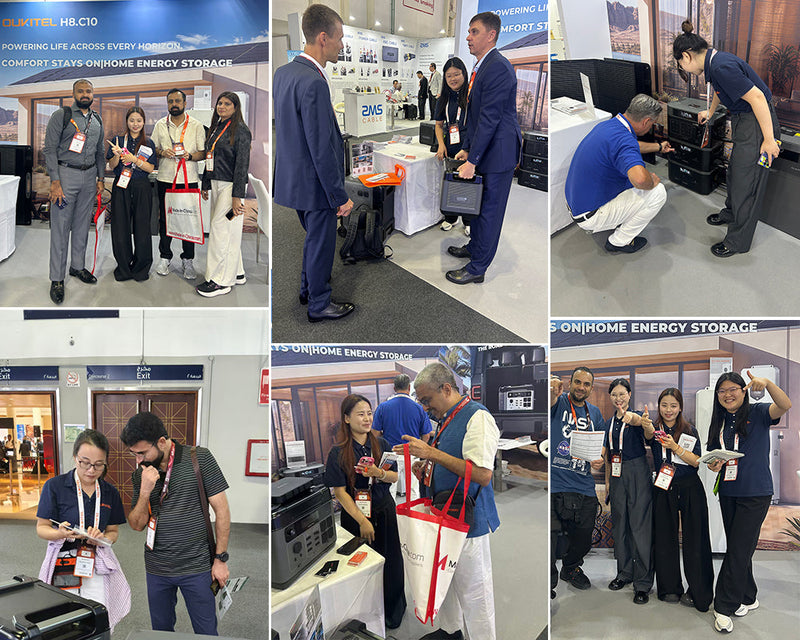
OUKITEL Power Brings Full-Scenario Energy Storage Solutions to Intersolar Middle East 2026 in Dubai
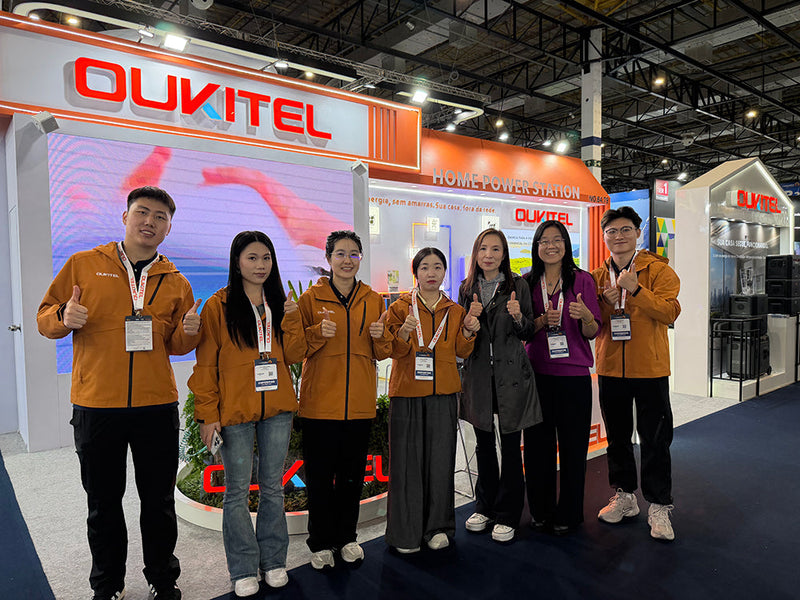
OUKITEL prezentuje rozwiązania do magazynowania energii na targach Intersolar South America 2026, przyspieszając ekspansję w Ameryce Łacińskiej
Europejski przewodnik właściciela domu: jak obniżyć rachunki za pompę ciepła dzięki magazynowaniu energii i inteligentnym taryfom
Dobór mocy paneli słonecznych i baterii do zimowej pompy ciepła: poradnik dla zimnego klimatu w Europie (Niemcy, Szwecja, Ukraina)
Poradnik przetrwania blackoutu z pompą ciepła: jak wydłużyć działanie baterii podczas wielodniowych zimowych przerw w dostawie prądu