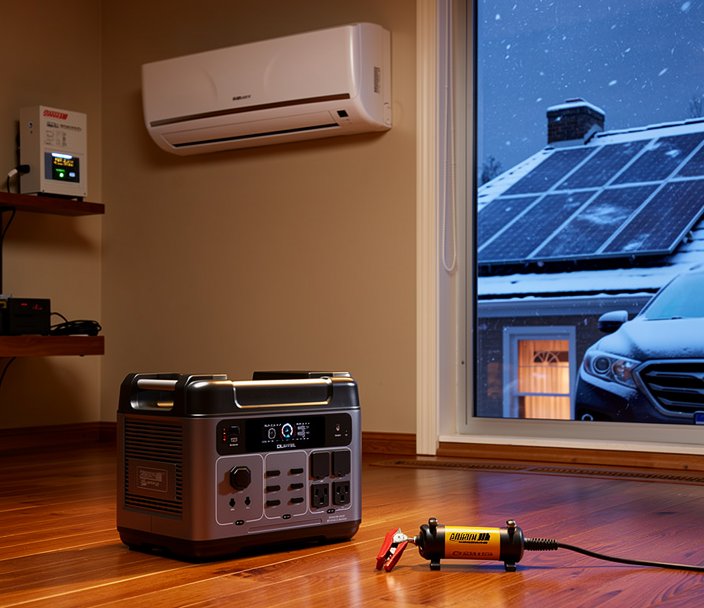
C01
C01


Come scegliere un sistema di accumulo solare da balcone: guida 2027 per le case europee

Accumulo solare da balcone: il quadro generale
Per chi vive in un appartamento in Europa, un sistema di accumulo solare da balcone non è più un esperimento di nicchia. È un modo concreto per ridurre la bolletta elettrica del 30–60% senza toccare il tetto. Il mercato è maturo: oggi puoi acquistare un kit solare plug-in con batteria integrata per meno di 1.500 €, e in molti paesi la burocrazia si è ridotta a pochi moduli digitali. Scegliere il sistema giusto, però, non significa prendere il più economico. La decisione coinvolge regole locali sulla rete, restrizioni del proprietario, limiti di peso, impermeabilità e il tuo consumo energetico quotidiano. Questa guida ti aiuta a orientarti. Inizia con i percorsi consigliati, poi analizza i sottosistemi chiave, i principi tecnici universali, le normative, l'installazione e infine ti offre regole pratiche per decidere il prossimo passo.
In tutta Europa la tendenza è chiara: la Germania ha eliminato l'IVA sui sistemi fotovoltaici con accumulo, la Spagna compensa l'energia in eccesso tramite il Compensación de Excedentes, e l'Italia offre detrazioni fiscali per gli investimenti in batterie fotovoltaiche residenziali. La tecnologia di base—batterie LiFePO₄, regolatori solari MPPT e inverter conformi EN50549—è diventata affidabile e conveniente. Resta una scelta pratica, influenzata dalla tua situazione abitativa e dai tuoi obiettivi energetici.
Quale percorso di accumulo da balcone fa per te? (Punto di partenza)
Non tutti i consigli sull'accumulo da balcone valgono per tutti. Un inquilino al terzo piano di un condominio a Copenaghen ha vincoli molto diversi da un proprietario a Lione con una terrazza esposta a sud. Prima di addentrarti nelle specifiche, rispondi a queste tre domande:
- Sei proprietario o inquilino? I proprietari possono di solito fare modifiche strutturali (staffette, unità a parete). Gli inquilini spesso devono usare soluzioni portatili, da agganciare alla ringhiera, che non lasciano tracce.
- Il tuo balcone è esposto a pioggia e neve? Un balcone scoperto richiede un sistema con grado di protezione IP65; una loggia vetrata può tollerare un'unità per interni.
- Vuoi immettere l'energia in eccesso nei circuiti di casa (grid-tie) o preferisci un sistema portatile e off-grid? I sistemi grid-tie riducono la bolletta ma richiedono conformità normativa; le power station portatili offrono flessibilità ma meno risparmio.
Le tue risposte ti indirizzeranno verso uno dei sottoscenari descritti di seguito.
Capire le opzioni: i sottosistemi principali in sintesi
L'accumulo solare da balcone non è una singola categoria di prodotto. Si divide in diverse configurazioni tecniche, ciascuna con i propri punti di forza e compromessi. La tabella seguente riassume i quattro sottosistemi più importanti e rimanda a guide dettagliate.
| Sottosistema | Cosa fa | Ideale per | Approfondisci |
|---|---|---|---|
| Accumulo outdoor resistente alle intemperie | Batteria e inverter in un involucro IP65, progettati per stare su un balcone aperto sotto pioggia e polvere. | Balconi esposti, autoconsumo in ogni condizione atmosferica. | Impermeabilizzazione accumulo da balcone IP65 |
| Sistema grid-tie conforme | Rispetta EN50549 / VDE4105 per anti-islanding, qualità dell'energia e disconnessione automatica dalla rete; può immettere il surplus in casa. | Proprietari che vogliono massima riduzione della bolletta e integrazione con la rete. | Conformità grid-tie EN50549 VDE4105 per accumulo da balcone |
| Sistema a batteria espandibile | Pacchi batteria modulari che permettono di aumentare la capacità in seguito (es. da 2 kWh a 16 kWh). | Utenti che iniziano con poco ma prevedono un aumento del fabbisogno energetico. | Guida ai sistemi di batterie da balcone espandibili |
| Architettura MPPT ottimizzata per il solare | Più ingressi MPPT e alta efficienza di conversione solare per sfruttare al meglio la superficie limitata dei pannelli. | Balconi con ombreggiamento parziale o spazio limitato per i pannelli. | Collegamento pannelli solari MPPT e accoppiamento AC per accumulo da balcone |
La maggior parte degli utenti avrà bisogno di una combinazione—ad esempio, un sistema IP65, grid-tie, espandibile con più ingressi MPPT. Più avanti troverai regole pratiche per decidere quale articolo leggere per primo.
Metriche fondamentali: dimensionamento, espandibilità e ingresso solare
Indipendentemente dal paese o dal proprietario, ogni decisione sull'accumulo da balcone dipende da tre numeri tecnici: capacità della batteria, potenza dell'inverter e ingresso solare. Questi sono i temi universali trasversali.
Capacità della batteria. Un tipico appartamento europeo consuma circa 4–8 kWh al giorno. Una batteria base da 2 kWh può coprire il picco serale se la carichi con il solare durante il giorno. Se vuoi far funzionare un frigorifero di notte e alimentare un ufficio domestico nei periodi nuvolosi, punta a 4 kWh o più. I sistemi espandibili ti permettono di iniziare con 2 kWh e poi crescere fino a 8 o 16 kWh, una protezione importante per chi affitta e potrebbe trasferirsi in una casa più grande.
Potenza dell'inverter e limiti di rete. In Germania, la categoria semplificata del balcone solare consente una potenza massima dell'inverter di 800 W AC. Un sistema come l'OUKITEL EP2500 (sistema di accumulo solare da balcone EP2500) può essere impostato a 800 W per un uso plug-in conforme, mentre la sua piena capacità di 2.500 W è disponibile per carichi off-grid o configurazioni più grandi autorizzate. Controlla sempre il limite plug-in del tuo paese. Anche una potenza di 600 W può coprire il carico base di un monolocale durante il giorno.
Ingresso solare. Una ringhiera esposta a sud può ospitare uno o due pannelli da 400 W. Sembra poco, ma nei mesi soleggiati può generare 2–4 kWh al giorno—abbastanza per caricare una batteria da 2 kWh e contemporaneamente alimentare un laptop e le luci. Più canali MPPT (idealmente quattro) aiutano quando un pannello è ombreggiato dal muro del vicino. L'OUKITEL EP2500, ad esempio, accetta fino a 4.000 W di solare su quattro ingressi MPPT, ben oltre ciò che un tipico balcone può ospitare, lasciando margine per future espansioni.
Sicurezza e conformità: navigare EN50549, VDE4105 e normative grid-tie
Nel momento in cui il tuo sistema di accumulo si collega all'impianto elettrico di casa, diventa soggetto a standard di sicurezza di rete. In Europa, i due documenti chiave sono EN50549 (requisiti per impianti di generazione connessi in parallelo alle reti di distribuzione) e VDE-AR-N 4105 (l'implementazione tedesca). Un sistema conforme si disconnette automaticamente dalla rete entro 10 ms in caso di blackout—una funzione chiamata anti-islanding—e garantisce che tensione, frequenza e qualità dell'energia rimangano entro i limiti di rete.
Per un acquirente, questo significa: un'unità di accumulo da balcone grid-tie deve avere la certificazione EN50549 o VDE4105 sulla targhetta. Non comprare una power station portatile stile generatore e cercare di immettere energia in casa con un cavo pericoloso; è illegale e pericoloso. Scegli invece un sistema progettato fin dall'inizio per l'uso grid-tie, come l'EP2500, che ha le certificazioni EN50549, VDE4105 e CE. La certificazione non è solo burocrazia—ti protegge da responsabilità se un guasto danneggia la rete e garantisce che la tua assicurazione casa rimanga valida.
Un errore comune: alcuni acquirenti pensano che un inverter a onda sinusoidale pura renda l'unità "pronta per la rete". Non è così. L'elemento cruciale è il relè di protezione grid-interactive con anti-islanding, e solo hardware certificato lo garantisce. Diversi paesi UE stanno inasprendo i controlli, e gli operatori di rete possono chiedere il certificato. Evita problemi: insisti sulla conformità EN50549/VDE4105 fin dall'inizio.
Funzioni intelligenti e la tua checklist pre-acquisto
I moderni sistemi di accumulo da balcone offrono controllo tramite app, programmazione oraria e monitoraggio dettagliato dei consumi. Queste funzioni non sono gadget—influiscono direttamente sul risparmio. Un'unità che può essere programmata per caricare la batteria dalla rete durante le ore notturne a basso costo e scaricarla durante i picchi serali costosi può far risparmiare altri 100–200 € all'anno in Germania, dove si stanno diffondendo le tariffe dinamiche. Cerca:
- Connettività Bluetooth e WiFi 2,4 GHz, per un controllo locale senza dipendenza dal cloud.
- Programmazione time-of-use (TOU): la possibilità di impostare finestre di carica/scarica.
- Misurazione della potenza in tempo reale, per vedere esattamente quanto stai risparmiando.
Controlla anche il livello di rumore. Le unità a raffreddamento passivo (senza ventola) sono silenziose—ideali per un balcone vicino alla camera da letto. Se la scheda tecnica elenca una ventola, verifica che il rumore sia inferiore a 30 dB e che la ventola si attivi solo sotto carico elevato.
Scenari d'uso: grid-tie, portatile e configurazioni multi-scenario
Un vantaggio di un sistema di accumulo da balcone ben progettato è la sua capacità di svolgere più ruoli. Supponiamo che tu investa in un'unità che sia sia conforme grid-tie che resistente agli schizzi. Durante la settimana sta sul balcone, compensando il consumo quotidiano. In un weekend in campeggio, la sganci e la usi come power station portatile. Questo approccio ibrido è possibile con prodotti come l'OUKITEL P2001 Pro (power station portatile 3200W) o P5000 Pro (stazione di backup per casa 4000W), che offrono commutazione EPS <10 ms e alta potenza. Tuttavia, se il tuo obiettivo principale è la riduzione costante della bolletta, un sistema dedicato da balcone come l'EP2500 è più semplice—è resistente alle intemperie, cablato in modo permanente e non richiede configurazione quotidiana.
Esempio negativo. Immagina un inquilino a Milano che ha comprato una power station economica per interni, l'ha messa su un balcone scoperto e ha usato un adattatore per alimentare una presa. Dopo un temporale estivo, l'acqua è entrata nell'unità, l'inverter si è guastato e il proprietario ha rifiutato la responsabilità. La perdita di 400 € poteva essere evitata con un sistema IP65 e certificato per la rete.
Esempio positivo. Considera un proprietario a Monaco che ha installato un EP2500 con due pannelli da 400 W, ha registrato il sistema nel Marktstammdatenregister e ha approfittato dell'IVA allo 0% in Germania. Programmando la batteria per scaricarsi durante la finestra serale a prezzo alto, ha ridotto l'importazione dalla rete del 45% e prevede un ritorno dell'investimento in meno di 4 anni.
Assistenza, garanzia e i tuoi diritti di consumatore UE
I sistemi di accumulo da balcone sono un investimento a lungo termine; una batteria LiFePO₄ dovrebbe durare 10 anni. La garanzia deve essere all'altezza di questa aspettativa. Cerca una garanzia sulla batteria di almeno 5 anni, preferibilmente 10. La legislazione UE fornisce ai consumatori garanzie legali sui beni; la durata e i termini specifici sono stabiliti dalle leggi nazionali che recepiscono le direttive pertinenti. Per la protezione esatta nel tuo paese, consulta il Centro Europeo Consumatori ufficiale o la tua autorità nazionale per i consumatori. Le garanzie del produttore spesso vanno oltre queste garanzie legali—ad esempio, l'EP2500 include una garanzia di 10 anni. Controlla anche se l'azienda fornisce assistenza locale nella tua lingua—restituire una batteria da 27 kg oltre confine è un incubo logistico.
Ostacoli all'installazione: permessi, limiti di carico e configurazione
Permesso del proprietario. Molti inquilini europei possono installare un sistema solare da balcone senza forare. I pannelli con morsetti e le unità di accumulo autoportanti evitano modifiche strutturali. In Germania, una sentenza del 2024 ha chiarito che i proprietari generalmente non possono rifiutare un'installazione solare da balcone se non altera l'aspetto dell'edificio. Comunque, comunica in anticipo e offriti di rimuovere il sistema quando ti trasferisci.
Limiti di peso. Un tipico balcone in cemento armato può sopportare 300–500 kg per metro quadrato. Una batteria da 27 kg più due pannelli da 17 kg è ben entro i limiti, ma un'unità da 53 kg come l'OUKITEL P5000 Pro (stazione portatile 5120Wh) potrebbe richiedere di posizionare la batteria all'interno. Controlla sempre la capacità di carico del tuo balcone; il parere di un ingegnere strutturale costa 150–300 € e sono soldi ben spesi.
Registrazione. In Germania, devi registrare il sistema nel Marktstammdatenregister. La procedura è online e richiede 10 minuti. La Francia ha le sue procedure di notifica o dichiarazione; contatta il tuo gestore di rete locale o l'ente regolatore energetico nazionale per i passaggi attuali. La Spagna ha semplificato le regole per l'autoconsumo, dove le procedure di registrazione dipendono dalla capacità del sistema; verifica i requisiti più recenti presso la tua autorità energetica regionale o il Ministero per la Transizione Ecologica prima di collegarti. Saltare la registrazione può invalidare la tua assicurazione e portare a multe, quindi fallo prima di collegare il sistema.
Risparmiare: come massimizzare l'autoconsumo e le tariffe time-of-use
Il ritorno economico di un sistema di accumulo da balcone deriva dalla riduzione dell'elettricità che compri dalla rete—soprattutto durante le ore di punta costose. Se paghi 0,35 €/kWh per l'elettricità di rete e la tua batteria carica dal solare fornisce 3 kWh durante il picco serale, risparmi circa 1,05 € al giorno. In un anno, sono 380 €. Aggiungendo l'ottimizzazione TOU, dove carichi anche la batteria durante la tariffa notturna economica, puoi superare i 500 € di risparmio annuo in mercati come Germania o Paesi Bassi.
Un errore frequente: gli acquirenti dimensionano la batteria solo per coprire il consumo diurno, dimenticando che il vero valore sta nello spostare l'energia solare alla sera. Dimensiona la batteria per coprire prima il consumo tra le 18:00 e le 23:00, poi aggiungi capacità solare per riempirla.
Il tuo prossimo passo: regole se-allora per la tua decisione sull'accumulo da balcone
Invece di un riassunto generico, ecco regole pratiche basate su situazioni europee reali.
- Se affitti un appartamento con balcone scoperto e non puoi forare, allora scegli un sistema con grado IP65, montaggio a morsetto e batteria rimovibile. L'IP65 e il peso di 27 kg dell'EP2500 si adattano a questo profilo. Leggi prima la guida all'impermeabilizzazione.
- Se sei proprietario in Germania e vuoi massima riduzione della bolletta, allora scegli un sistema grid-tie conforme con almeno 2 kWh di accumulo e 4 kW di margine solare. Imposta l'inverter a 800 W per una registrazione semplificata. Inizia con l'articolo sulla conformità grid-tie.
- Se ti sposti spesso o vuoi un sistema che funzioni anche per il campeggio, allora considera una power station portatile con EPS e alto ingresso solare invece di un'unità fissa da balcone. Il P2001 Pro o il P5000 Pro offrono questa flessibilità. Leggi la guida MPPT solare per capire l'abbinamento dei pannelli.
- Se il tuo fabbisogno energetico potrebbe raddoppiare in tre anni, allora investi in un sistema espandibile. Scegli un'unità base che supporti batterie aggiuntive e conferma il limite di espansione (es. 7 pacchi extra, fino a 16 kWh). La guida ai sistemi espandibili illustra i dettagli.
Domande frequenti
Una batteria da balcone può funzionare con il mio contatore intelligente esistente?
Sì, la maggior parte dei contatori intelligenti misura l'importazione e l'esportazione totale della casa, quindi un sistema di accumulo da balcone funziona insieme a loro. Tuttavia, alcuni contatori analogici più vecchi potrebbero girare all'indietro quando immetti energia in eccesso, il che può richiedere la sostituzione del contatore. Contatta il tuo gestore di rete per confermare la compatibilità.
Devo assumere un elettricista per installare un sistema di accumulo da balcone?
Per un sistema plug-in con connettore Schuko, nella maggior parte dei paesi UE non è legalmente richiesto un elettricista. Tuttavia, se installi un cablaggio fisso o un circuito dedicato, è obbligatorio un elettricista abilitato. Segui sempre il codice elettrico locale.
Quali paesi europei consentono i sistemi solari plug-in con accumulo?
Germania, Austria, Paesi Bassi, Belgio e Spagna consentono esplicitamente i dispositivi solari plug-in entro certi limiti. Francia e Italia sono più restrittive e spesso richiedono una connessione fissa. Controlla il codice di rete del tuo paese prima di acquistare.
Posso espandere il mio sistema di batterie da balcone in seguito?
Sì, se scegli un sistema espandibile. Cerca un'unità che indichi una capacità massima di espansione e richieda pacchi aggiuntivi con la stessa tensione. Le unità non espandibili non possono accettare batterie extra senza invalidare la garanzia.
Il passaggio tra rete e batteria influisce sui miei dispositivi elettronici?
No, se il sistema ha un tempo di commutazione EPS (Emergency Power Supply) di 10 ms o inferiore. I moderni inverter a onda sinusoidale pura con interruttori di trasferimento rapidi mantengono computer e router in funzione senza interruzioni.
Posso controllare il sistema localmente senza dipendere dal cloud?
Molti sistemi offrono controllo Bluetooth o WiFi locale (2,4 GHz) che non richiede accesso a Internet. Controlla le funzionalità dell'app—cerca programmazione offline e stato in tempo reale prima di acquistare.
Ci sono restrizioni di peso o rumore da considerare?
Sì. I limiti di carico del balcone variano in base all'edificio; non superare mai i 200 kg totali. Per il rumore, le unità a raffreddamento passivo sono silenziose; i modelli con ventola dovrebbero rimanere sotto i 30 dB. Posiziona l'unità lontano dalle pareti della camera da letto se ha una ventola.
Cosa succede se il mio proprietario non permette modifiche strutturali?
Usa sistemi a morsetto che si agganciano alla ringhiera senza forare e posiziona l'unità di accumulo sul pavimento del balcone. In diversi paesi UE, i proprietari non possono negare irragionevolmente tali installazioni. Fornisci una registrazione scritta della tua richiesta e del piano non invasivo.
Le informazioni in questo articolo sono state verificate rispetto a fonti attuali ad agosto 2026. Politiche, programmi di incentivazione e normative cambiano frequentemente—verifica sempre i termini attuali con fonti ufficiali prima di prendere decisioni finanziarie o legali.
Latest articles
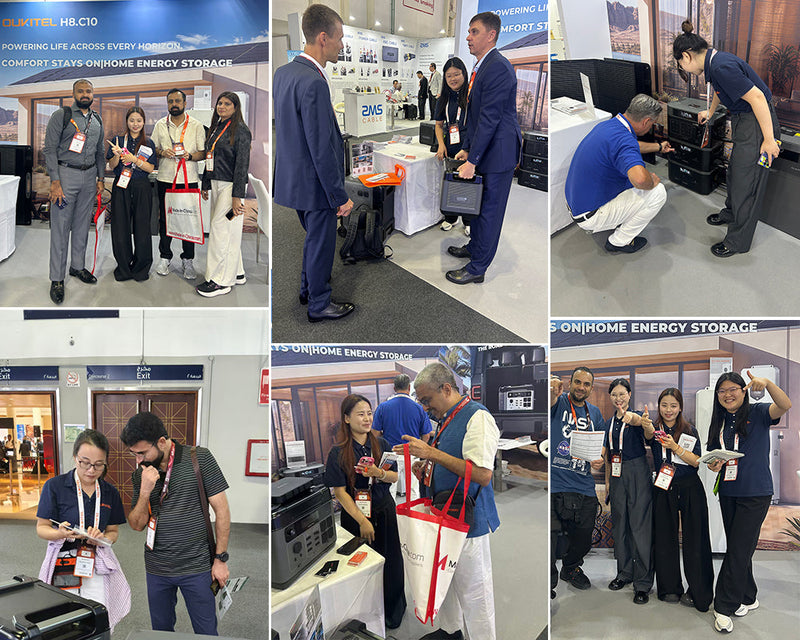
OUKITEL Power Brings Full-Scenario Energy Storage Solutions to Intersolar Middle East 2026 in Dubai
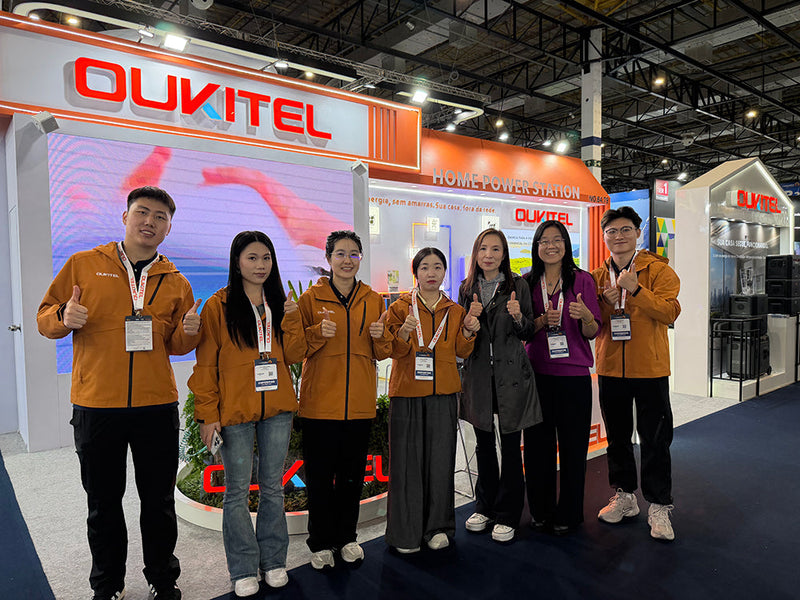
OUKITEL presenta le soluzioni di accumulo di energia a Intersolar South America 2026, accelerando l'espansione in America Latina
La guida per i proprietari di casa europei per ridurre le bollette delle pompe di calore con batterie di accumulo e tariffe intelligenti
Dimensionare solare e batteria per una pompa di calore invernale: guida per climi freddi in Europa (Germania, Svezia, Ucraina)
Guida alla sopravvivenza ai blackout con pompa di calore: come far durare la batteria durante interruzioni invernali di più giorni