C01
C01


Impianto solare da balcone con accumulo e immissione in rete: EN50549, VDE4105 e conformità europea per paese
Prima di collegare una batteria ai tuoi pannelli solari da balcone, ecco cosa conta di più: ogni sistema che immette elettricità in rete—anche uno piccolo collegato a una presa Schuko—deve rispettare le regole tecniche di connessione del tuo gestore di rete locale. Questa guida chiarisce la confusione e mette al primo posto la soluzione. Troverai i passaggi esatti per la conformità, poi una spiegazione degli standard che rendono necessari questi passaggi, oltre a un caso realistico prima/dopo che mostra perché saltare questo passaggio è un errore.

Primi passi per la conformità all'immissione in rete
Il percorso rapido per un'installazione legale e sicura di un impianto solare da balcone con accumulo, guardando al 2027, si riduce a tre azioni:
- Controlla lo standard pertinente: Nell'UE, si tratta della EN 50549-1:2019/A1:2023 per le connessioni a bassa tensione. In Germania, devi anche rispettare la VDE-AR-N 4105, che specifica requisiti aggiuntivi di test e protezione.
- Conferma il limite di immissione locale: La maggior parte dei paesi europei ora si orienta a un limite di potenza di uscita dell'inverter di 800 W per i sistemi plug-in da balcone, ma il numero preciso e l'eventuale scadenza per la registrazione variano da paese a paese. Verifica sempre con il tuo distributore di rete (DSO).
- Notifica o registra il sistema: Anche se il tuo sistema opera al di sotto della soglia di immissione, molte reti richiedono una registrazione semplificata—spesso tramite un portale online o il registro nazionale dei dati di mercato (ad es., il Marktstammdatenregister in Germania).
Prima e dopo: un balcone a Berlino che quasi andava storto
Supponiamo che un inquilino a Berlino abbia acquistato online un'unità di accumulo a basso costo, priva di chiari documenti di certificazione EN 50549. L'ha collegata alla presa del balcone e l'ha fatta funzionare in modalità grid-tie. Due settimane dopo, il DSO locale ha rilevato un'iniezione anomala di potenza reattiva e ha inviato un avviso che richiedeva la disconnessione immediata fino alla presentazione di un certificato di conformità. L'inquilino ha dovuto pagare una tassa amministrativa di 150 € e mettere l'unità in cantina mentre cercava di procurarsi la documentazione.
Dopo essere passato a un sistema di accumulo correttamente certificato—uno che aveva sia l'approvazione EN 50549 che VDE-AR-N 4105, come il sistema di accumulo da balcone OUKITEL EP2500—e aver completato una semplice registrazione online, l'installazione ha superato una verifica tecnica in pochi giorni. Il sistema ora riduce in modo affidabile il carico diurno, e l'inquilino non sente più il DSO se non per un rendiconto annuale del net-metering. La differenza non era la potenza dell'hardware, ma la burocrazia e le funzioni di protezione integrate per la rete.
Cos'è il grid-tie? Confronto tra uso off-grid e on-grid
Un sistema di accumulo da balcone grid-tie opera in parallelo con la rete elettrica pubblica. Quando i tuoi pannelli generano più energia di quanta ne consumi, il surplus fluisce verso i circuiti di casa o—in una configurazione grid-tie vera—torna in rete. L'inverter deve sincronizzarsi con tensione e frequenza della rete e deve scollegarsi immediatamente se la rete va in fallimento (anti-islanding). Un sistema off-grid, al contrario, non condivide mai la sua uscita con la rete pubblica; alimenta solo prese o apparecchi dedicati tramite un percorso di cablaggio separato.
Perché questa distinzione conta legalmente? Perché nel momento in cui il tuo inverter può esportare potenza in rete, diventi un generatore secondo i codici di rete dell'UE. Questo comporta l'obbligo di conformità agli standard di connessione e, nella maggior parte dei paesi, l'obbligo di informare il gestore di rete—anche se la tua immissione nominale è zero. Una power station portatile off-grid come la OUKITEL P1000E PLUS non richiede notifica al gestore di rete, ma non può nemmeno compensare automaticamente il consumo domestico. Un'unità di accumulo grid-tie come la EP2500, progettata per installazione permanente sul balcone, può immettere il surplus nei circuiti di casa e ridurre la bolletta elettrica, ma deve rispettare le regole descritte qui.
EN50549 spiegata: lo standard di connessione alla rete a livello UE
La EN 50549-1:2019/A1:2023 è lo standard europeo armonizzato per gli impianti di generazione collegati in parallelo alle reti di distribuzione a bassa tensione. Copre tutto, dai piccoli inverter residenziali a installazioni molto più grandi. Per i sistemi di accumulo da balcone, i requisiti tecnici chiave includono:
- Protezione di frequenza e tensione: L'inverter deve cessare di alimentare la rete entro limiti di tempo stabiliti se la frequenza o la tensione di rete si discostano oltre le soglie specificate. L'emendamento del 2023 ha aggiornato queste soglie per consentire tolleranze leggermente più ampie, aiutando i sistemi a superare disturbi transitori senza interruzioni inutili.
- Anti-islanding: Il sistema deve rilevare la perdita di alimentazione di rete e scollegarsi entro un periodo molto breve—tipicamente sotto 0,2 secondi. Questo impedisce al sistema di accumulo di reimmettere energia in una linea non alimentata, mettendo a rischio i lavoratori dell'azienda elettrica.
- Qualità dell'energia: L'inverter deve limitare l'iniezione di corrente armonica e di corrente continua a livelli che non disturbino la rete locale.
Se la scheda tecnica di un'unità di accumulo dichiara la conformità alla EN 50549-1, significa che il produttore ha testato le funzioni di protezione dell'inverter e ha dichiarato le prestazioni rispetto a questi parametri. Richiedi sempre una copia della dichiarazione di conformità o un certificato di prova di tipo prima dell'acquisto.
VDE4105: i requisiti aggiuntivi della Germania
Mentre la EN 50549 fornisce la base per tutti gli stati membri dell'UE, la Germania aggiunge la VDE-AR-N 4105—una regola tecnica applicativa specifica per le unità di generazione a bassa tensione. La VDE-AR-N 4105 rimane lo standard prevalente in Germania—il riferimento principale per i contratti di connessione, anche se il testo esatto per i sistemi da balcone sotto 800 W è stato oggetto di recente evoluzione normativa con il Solarpaket I.
L'impatto pratico della VDE-AR-N 4105 per un proprietario di balcone è che l'inverter deve dimostrare test aggiuntivi: comportamento di ride-through durante specifici abbassamenti di tensione, capacità precise di controllo della potenza reattiva (anche se impostata a fattore di potenza unitario) e una sequenza di avvio che non causi sfarfallio di tensione. In termini semplici, un DSO tedesco si aspetta che l'inverter si comporti in modo più conservativo durante anomalie di rete rispetto a un'unità base solo EN 50549. I prodotti che hanno sia la certificazione EN 50549 che VDE-AR-N 4105, come la OUKITEL EP2500, semplificano notevolmente il processo di approvazione perché il DSO può verificare immediatamente le funzioni di protezione richieste.
Punto chiave di sicurezza tecnica: Il comportamento anti-islanding e il ride-through di sotto/sovrafrequenza sono i due aspetti più esaminati. Se acquisti un sistema di accumulo senza documentazione VDE-AR-N 4105 in Germania, non solo rischi un rifiuto, ma ti esponi anche a potenziali responsabilità in caso di guasto di rete.
Differenze normative paese per paese (Germania, Paesi Bassi, Francia, Austria e altri)
Mentre lo sforzo di armonizzazione dell'UE ha allineato sostanzialmente gli standard tecnici, le procedure di notifica e i limiti di potenza specifici differiscono ancora. Ecco una panoramica a metà 2026, con prospettiva verso il 2027—verifica sempre sul sito del tuo DSO prima dell'acquisto.
| Paese | Standard/Riferimento chiave | Limite tipico plug-in | Notifica richiesta? |
|---|---|---|---|
| Germania | VDE-AR-N 4105 | 800 W di uscita inverter (transizione Solarpaket I) | Sì—Marktstammdatenregister + notifica al DSO |
| Paesi Bassi | EN 50549 tramite NEN-EN 50549; regole specifiche del DSO nazionale | Spesso allineato a 800 W, ma il singolo DSO può fissare limiti inferiori | Spesso sì, anche per immissione zero; verifica con Stedin, Liander, ecc. |
| Francia | Contesto NF C 14-100 / NF C 15-100; EN 50549 adottata | I limiti plug-in sono definiti dai gestori di rete locali; consulta Enedis o il tuo DSO per confermare il tetto attuale prima dell'installazione. Le normative possono variare in base alla regione e sono soggette a modifiche. | Sì—tipicamente tramite Enedis per la connessione alla rete |
| Austria | ÖVE/ÖNORM EN 50549-1 | Limite di 800 W comunemente accettato; verifica con Netz NÖ / Wiener Netze | Sì—le reti richiedono una semplice registrazione |
| Altri UE/SEE | Recepimento locale della EN 50549-1 | Varia; molti si stanno muovendo verso 800 W | Presumi che la notifica sia richiesta finché non confermato diversamente |
Nota: Le cifre specifiche per Francia e Paesi Bassi sono tratte da recenti discussioni politiche; il limite esatto attuale deve essere confermato sul sito ufficiale del DSO. Per un approfondimento sui marchi di sicurezza a livello di prodotto (CE, IEC 62619, ecc.), consulta la nostra guida separata sulle certificazioni per l'accumulo da balcone.
Il limite di immissione in rete di 800 W—cosa significa in pratica
La cifra di 800 W che compare nelle discussioni europee sul solare da balcone si riferisce alla massima potenza di uscita CA dell'inverter che può essere immessa in rete, non alla capacità della batteria o alla potenza dei pannelli. In molti paesi, un sistema con inverter da 800 W o inferiore ha diritto a una registrazione semplificata o a una regolamentazione leggera. Ma ci sono sfumature importanti:
| Scenario | Fare | Non fare | Perché |
|---|---|---|---|
| Selezione della potenza dell'inverter | Scegli un inverter la cui uscita CA nominale non superi mai il limite nazionale | Presumere che un "limite di 600 W" valga ancora ovunque senza verificare | Molti paesi hanno alzato il limite a 800 W; un'unità da 600 W può essere ancora conforme, ma potresti lasciare prestazioni inutilizzate |
| Impostazione del limite di esportazione nel firmware | Configura il limite di esportazione software dell'inverter per corrispondere o rimanere al di sotto del valore consentito dal DSO | Affidarsi a un interruttore hardware che potrebbe essere bypassato accidentalmente | I limiti software supportati da funzioni di protezione certificate sono più robusti e verificabili |
| Carica della batteria dalla rete | Limita la potenza di carica in modo che il throughput totale dell'inverter (carica + eventuale esportazione) rimanga entro il limite di immissione in rete | Caricare a piena potenza durante le ore di produzione e rischiare un picco di esportazione momentaneo oltre il limite | Alcuni DSO monitorano l'esportazione istantanea; anche un breve picco può essere segnalato |
| Registrazione anche con immissione zero | Notifica il DSO se il tuo sistema è in grado di esportare, anche se lo imposti a zero | Presumere che "immissione zero" significhi nessuna registrazione necessaria | Molti paesi considerano la capacità, non l'esportazione effettiva; una mancata registrazione può portare a multe |
In termini concreti, un sistema di accumulo con un intervallo di potenza grid-tie regolabile, come l'impostazione on-grid da 800–2500 W della EP2500, ti consente di soddisfare il limite di 800 W in Germania mantenendo l'opzione per una maggiore uscita off-grid quando necessario. La capacità della batteria espandibile—fino a 16 kWh con unità di espansione—non è limitata dalla regola di immissione in rete; conta solo l'esportazione dell'inverter.
Caso limite: In giornate molto soleggiate e fredde, un grande array solare può spingere l'inverter al suo throughput massimo. Se il tuo inverter è impostato esattamente al limite, qualsiasi superamento nella regolazione MPPT può causare un'iniezione momentanea oltre il limite. I buoni inverter con controllo preciso (come quelli certificati VDE-AR-N 4105) includono funzioni di riduzione graduale protettive per evitarlo, ma quelli più economici non certificati potrebbero non averle.
Devi notificare il tuo gestore di rete prima dell'installazione?
In quasi tutti i paesi dell'UE, la risposta è sì—anche se il sistema è plug-in e al di sotto di una certa soglia di potenza. Il flusso di lavoro specifico potrebbe essere semplice:
- Germania: La registrazione nel Marktstammdatenregister è obbligatoria per tutte le unità di generazione. Inoltre, il tuo DSO locale deve essere informato; potrebbe richiedere un certificato di conformità e, per sistemi sopra 800 W, una domanda più estesa.
- Paesi Bassi: Molti DSO richiedono una notifica tramite il loro portale clienti, anche per configurazioni a immissione zero. Un prodotto con una dichiarazione EN 50549 valida può accelerare il processo.
- Francia: Il processo di richiesta di connessione Enedis è complesso per sistemi più grandi; per unità plug-in da balcone, potrebbe essere disponibile una dichiarazione semplificata, ma verifica sempre i requisiti attuali.
- Austria: Generalmente una semplice registrazione con il Netzbetreiber; il sistema deve essere conforme alla ÖVE/ÖNORM EN 50549-1.
Checklist dell'attrezzatura oltre all'unità principale: Tieni pronta una cartella con la dichiarazione di conformità dell'inverter, il manuale di installazione e le foto dell'installazione. Avrai anche bisogno di un set di spina/cavo conforme, approvato per uso esterno permanente (ad es., connettori con grado IP65). La guida sul collegamento dei pannelli solari e MPPT copre il cablaggio DC richiesto e la protezione da sovracorrente, mentre la guida alla batteria espandibile spiega il cablaggio tra moduli per un'espansione sicura.
Abitudini di manutenzione che proteggono il tuo stato di conformità alla rete:
- Ricontrolla il portale del DSO ogni 12 mesi per eventuali modifiche ai requisiti di notifica o ai limiti di potenza.
- Mantieni aggiornato il firmware dell'inverter; un produttore può rilasciare un aggiornamento che affina i parametri di interazione con la rete.
- Verifica periodicamente che l'impostazione del limite di esportazione non sia stata resettata dopo un ciclo di alimentazione—questo può accadere con alcuni inverter di base.
- Se aggiungi più moduli batteria, assicurati che la potenza dell'inverter del sistema combinato rispetti ancora il limite di immissione; una maggiore capacità della batteria non cambia il limite, ma se aggiungi un secondo inverter, l'uscita combinata deve essere rivalutata.
Conclusione: la tua checklist di conformità
Prima di collegare, esamina questi sette punti. Ogni "sì" ti avvicina a un'installazione senza problemi.
- Il tuo inverter è certificato EN 50549-1:2019/A1:2023 e, se in Germania, VDE-AR-N 4105?
- L'uscita CA massima dell'inverter (in modalità grid-tie) corrisponde o rimane al di sotto del limite plug-in attuale del tuo paese?
- Puoi fornire una dichiarazione di conformità e i rapporti di prova di tipo al tuo DSO su richiesta?
- Hai registrato il sistema nel registro nazionale dei dati di mercato (ad es., MaStR in Germania) e hai notificato il tuo DSO locale?
- Il tuo limite di esportazione è impostato nel software e confermato dopo la messa in servizio?
- La spina, la presa e l'eventuale cavo di prolunga sono classificati per uso esterno permanente e conformi alle normative locali di cablaggio?
- Hai programmato un promemoria per verificare i requisiti del DSO e gli aggiornamenti del firmware tra 12 mesi?
Se una risposta è "no" o "non sono sicuro", ferma l'installazione e procurati la documentazione mancante. La via più sicura è acquistare un sistema di accumulo che includa già le certificazioni necessarie—trasforma un labirinto normativo in una semplice notifica.
Domande frequenti
Cos'è la certificazione EN50549?
La EN 50549 è lo standard europeo per gli impianti di generazione collegati in parallelo alle reti di distribuzione a bassa tensione. Definisce requisiti di protezione come limiti di tensione/frequenza, anti-islanding e qualità dell'energia. Un prodotto con certificazione EN 50549 ha superato test che dimostrano che può interagire in sicurezza con la rete senza causare disturbi o pericoli.
La VDE4105 è richiesta in tutta Europa?
No. La VDE-AR-N 4105 è una regola tecnica applicativa nazionale tedesca. È obbligatoria per le unità di generazione a bassa tensione collegate in Germania, ma gli altri paesi dell'UE si affidano alle proprie trasposizioni della EN 50549 o a standard nazionali leggermente diversi. Verifica sempre il codice di rete del tuo paese specifico.
Devo registrare il mio accumulo da balcone presso il gestore di rete?
Nella maggior parte dei paesi europei, sì—anche per piccoli sistemi plug-in. La registrazione può essere una semplice notifica online o un processo più formale. Controlla il sito del tuo DSO e, in Germania, il Marktstammdatenregister.
A cosa si applica il limite di 800 W?
Il limite di 800 W si applica alla massima potenza di uscita CA dell'inverter che può essere immessa nella rete pubblica. Non limita la capacità della batteria o la potenza di picco dei pannelli solari; limita specificamente la quantità di potenza che fluisce dal tuo sistema alla rete.
Posso usare un sistema di accumulo per bypassare il limite dell'inverter di 800 W?
No. Il limite si applica all'uscita dell'inverter collegato alla rete, indipendentemente dal fatto che l'energia provenga direttamente dai pannelli o da una batteria. Non puoi legalmente superare il limite di immissione locale instradando energia extra attraverso una batteria; l'inverter è il punto regolato.
Cosa succede se collego un sistema non conforme alla rete?
Il DSO può richiedere la disconnessione immediata, applicare spese amministrative e, in casi gravi, ritenerti responsabile per eventuali danni alla rete o incidenti di sicurezza. L'immissione non autorizzata può anche invalidare la tua assicurazione sulla casa. È molto più sicuro usare un'unità certificata e completare la notifica richiesta.
Le informazioni in questo articolo sono state verificate con fonti attuali ad agosto 2026. Politiche, programmi di incentivi e regolamenti cambiano frequentemente—conferma sempre i termini attuali con fonti ufficiali prima di prendere decisioni finanziarie o legali.
Latest articles
OUKITEL Power Showcases Full-Scenario Energy Storage Solutions at the 140th Canton Fair
OUKITEL Power Brings Full-Scenario Energy Storage Solutions to Intersolar Middle East 2026 in Dubai
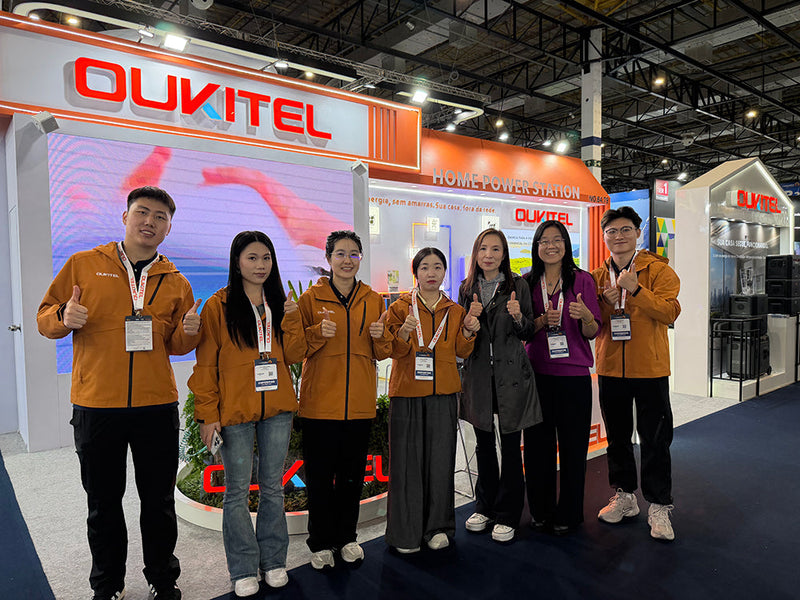
OUKITEL presenta le soluzioni di accumulo di energia a Intersolar South America 2026, accelerando l'espansione in America Latina
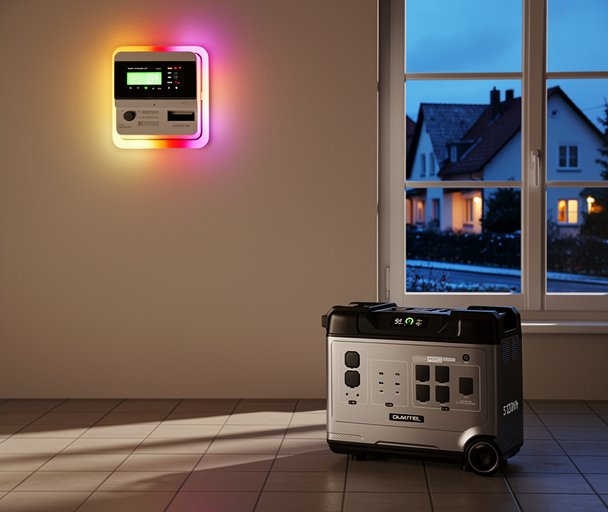
La guida per i proprietari di casa europei per ridurre le bollette delle pompe di calore con batterie di accumulo e tariffe intelligenti
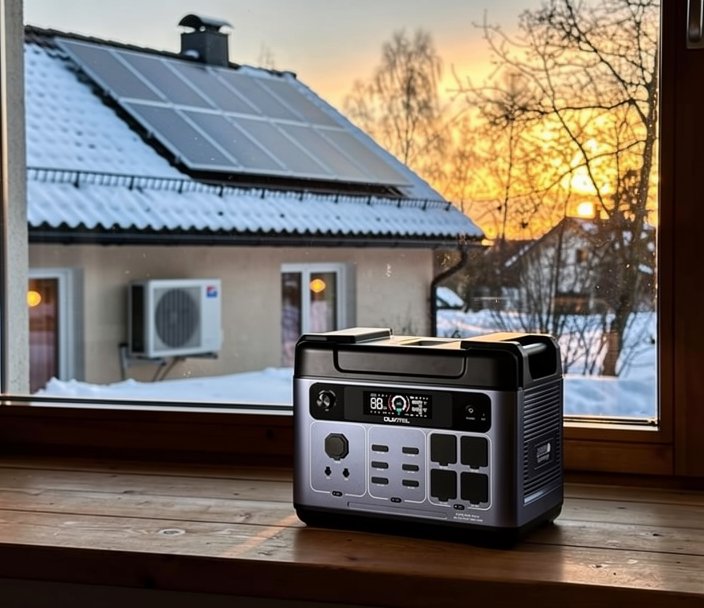
Dimensionare solare e batteria per una pompa di calore invernale: guida per climi freddi in Europa (Germania, Svezia, Ucraina)