C01
C01


Bateria balkonowa a przenośna stacja zasilania: gdzie przebiega rzeczywista granica funkcjonalna
Jeśli mieszkasz w mieszkaniu z balkonem i interesujesz się energią słoneczną, prawdopodobnie spotkałeś się z dwiema kategoriami produktów, które na pierwszy rzut oka wyglądają podobnie: dedykowane balkonowe systemy magazynowania energii oraz przenośne stacje zasilania. Obie ładują się z paneli słonecznych, obie mogą zasilać urządzenia domowe i obie wykorzystują baterie litowo-żelazowo-fosforanowe (LiFePO4). Jednak w momencie, gdy próbujesz podłączyć je do domowej instalacji elektrycznej, różnica staje się oczywista — a pomyłka może być kosztowna.
Ten poradnik rozwiewa wątpliwości. Został napisany z myślą o najemcach, mieszkańcach bloków i właścicielach małych domów w Europie, którzy chcą dokładnie zrozumieć, gdzie kończy się przenośna stacja zasilania, a zaczyna zgodny z przepisami balkonowy system magazynowania energii. Omówimy przypadki użycia, przepisy dotyczące podłączenia do sieci, koszty oraz sytuacje, w których potrzebujesz obu urządzeń. Na koniec otrzymasz jasne kryteria wyboru, dopasowane do Twojej sytuacji mieszkaniowej.

Zaprojektowane do różnych celów: awaryjne i outdoorowe vs. długoterminowe podłączenie do sieci
Zakładamy, że czytelnik pyta: „Mam już przenośną stację zasilania, którą można ładować panelami słonecznymi. Czy nie mogę po prostu postawić jej na balkonie, podłączyć panele i używać jej do obniżenia rachunku za prąd?” To pytanie oddaje sedno nieporozumienia. Obie kategorie produktów mają pewne wspólne elementy, ale ich przeznaczenie znacznie się różni.
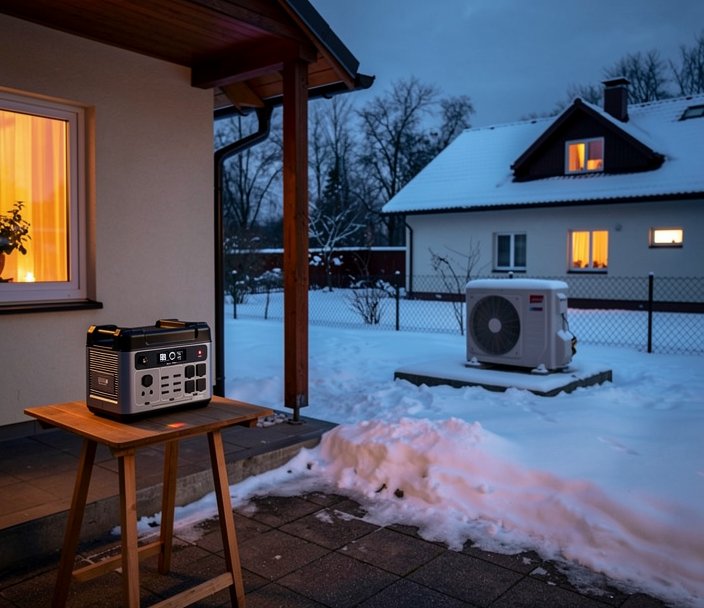
Przenośna stacja zasilania jest stworzona do mobilności i tymczasowego zasilania. Typowe zastosowania to wypady na kemping, kampery, imprezy plenerowe oraz awaryjne zasilanie podczas blackoutu. Urządzenie podróżuje z Tobą, zasila kilka urządzeń bezpośrednio z gniazdek AC i ładuje się z gniazdka ściennego, portu samochodowego lub przenośnych paneli słonecznych. To urządzenie off-grid z założenia — nie ma mechanizmu, który pozwoliłby na oddawanie nadwyżki energii do domowej instalacji lub do sieci. Jego wartość polega na dostarczaniu prądu tam, gdzie nie ma gniazdka.
Balkonowy system magazynowania energii to natomiast stacjonarne urządzenie domowe. Jest trwale zamontowany na balkonie, podłączony do domowego obwodu AC (zwykle przez dedykowane gniazdo Wieland lub inne zgodne z przepisami połączenie) i zaprogramowany tak, aby maksymalizować autokonsumpcję energii słonecznej. Gdy panele produkują więcej energii, niż zużywa dom, bateria magazynuje nadwyżkę; gdy dom potrzebuje prądu w nocy, bateria rozładowuje się do instalacji domowej. W Niemczech taki system może legalnie oddawać do 800 W do domowej instalacji na podstawie uproszczonej rejestracji, co jest wyraźnie uznawane przez KfW i Federalne Ministerstwo Finansów[1]. Bateria jest również objęta zerową stawką VAT, jeśli jest częścią tej stacjonarnej instalacji fotowoltaicznej.
Pozytywny przykład: Najemczyni w Monachium zamontowała balkonowy system magazynowania energii o klasie IP65 z dwoma panelami słonecznymi na balkonie od strony południowej. Po dokonaniu uproszczonej rejestracji w Marktstammdatenregister, obecnie pokrywa około 30% swojego dziennego zużycia energii, a bateria zapewnia wieczorne podstawowe obciążenie nawet w pochmurne dni. Nadal używa małej przenośnej stacji zasilania na weekendowe wypady na kemping, ale nigdy nie oczekiwała, że przenośne urządzenie będzie jej domowym systemem energetycznym.
Negatywny przykład: Załóżmy, że najemca w Berlinie kupił przenośną stację zasilania o dużej pojemności, podłączył do niej dwa panele słoneczne i próbował obniżyć rachunek za prąd, zasilając wieczorem urządzenia kuchenne bezpośrednio z gniazdek stacji. Szybko odkrył, że bez możliwości podłączenia do sieci przenośne urządzenie nie może oddawać nadwyżki energii słonecznej do instalacji mieszkania w ciągu dnia — panele po prostu przestawały ładować, gdy bateria była pełna. W nocy musiał fizycznie przenosić stację z balkonu do kuchni i ręcznie przełączać urządzenia, co szybko straciło sens. Stacja nigdy nie zwróciła kosztów zakupu, ponieważ nie mogła uczestniczyć w systemie net-metering ani taryfach gwarantowanych. Pozostała bardzo drogą baterią na kemping, a nie domowym magazynem energii.
Granica funkcjonalna nie zależy więc od chemii baterii, mocy znamionowej ani nawet wejścia słonecznego — chodzi o integrację z infrastrukturą elektryczną budynku. Jeśli urządzenie opuszcza dom razem z Tobą, jest przenośnym towarzyszem. Jeśli zostaje przymocowane do ściany i komunikuje się z siecią, jest stałym urządzeniem energetycznym.
Czy można używać przenośnej stacji zasilania z panelami słonecznymi jako prostej baterii balkonowej? Ograniczenia
Technicznie możesz postawić przenośną stację zasilania na balkonie, podłączyć kilka paneli słonecznych i używać jej do zasilania lampy lub ładowania laptopa. W tym wąskim sensie działa jak samodzielna bateria off-grid. Ale nazywanie tego „baterią balkonową” sugeruje, że spełnia ona tę samą funkcję. Tak nie jest, a oto twarde ograniczenia.
- Brak integracji z siecią. Przenośna stacja nie może oddawać energii do domowego obwodu. Każda watogodzina musi być pobierana z gniazd AC stacji za pomocą kabla podłączonego do urządzenia. Jeśli bateria jest pełna w południe, a nikogo nie ma w domu, energia słoneczna jest po prostu marnowana.
- Wymagana ręczna interwencja. Nie ma automatycznego wykrywania obciążenia ani zaprogramowanego rozładowania. Użytkownik musi fizycznie podłączać i odłączać urządzenia, co czyni to niepraktycznym w codziennym użytkowaniu.
- Ograniczenia pojemności. Nawet duża przenośna stacja, np. o pojemności 2 kWh, zwykle pokrywa mniej niż 40% dziennego zużycia energii w jednoosobowym mieszkaniu. Bez sprzężenia z siecią nie ma sposobu na rozłożenie tej energii na całą dobę.
- Narażenie na temperaturę i warunki atmosferyczne. Przenośne stacje zasilania są zwykle przystosowane do pracy w zakresie 0°C–40°C i przechowywania w -10°C–40°C, a większość z nich nie ma wodoodporności IP65 wymaganej do stałej instalacji na zewnątrz. Ciągłe narażenie na deszcz, kondensację i mroźne noce może uszkodzić urządzenie i unieważnić gwarancję.
- Niezgodność z przepisami. Gdy urządzenie ma współpracować z instalacją domową, musi spełniać odpowiednie normy przyłączeniowe. Podłączanie wyjścia AC przenośnej stacji do gniazdka ściennego w celu „oddawania energii” jest nie tylko nielegalne, ale stwarza ryzyko porażenia prądem dla pracowników sieci i zagrożenie pożarowe, ponieważ urządzenie nie ma zabezpieczenia anty-wyspowego zgodnego z VDE‑AR‑N 4105.
Częsty błąd: niektórzy najemcy zakładają, że mogą po prostu podłączyć przenośną stację do zestawu paneli balkonowych i zostawić ją działającą 24/7. Po kilku miesiącach ciągła wilgoć i wahania temperatury na zewnątrz uszkadzają zabezpieczenia BMS, a urządzenie ulega awarii. Gwarancja producenta zwykle nie obejmuje stałej instalacji na zewnątrz. Urządzenie nigdy nie zostało zaprojektowane do zastąpienia stacjonarnego systemu balkonowego, a traktowanie go w ten sposób prowadzi do utraty sprzętu, a nie oszczędności.
Jeśli potrzebujesz tylko okazjonalnego zasilania awaryjnego dla kilku małych urządzeń i nie zamierzasz pokrywać całego zapotrzebowania gospodarstwa domowego, przenośna stacja i kilka składanych paneli mogą wystarczyć. Ale jeśli Twoim celem jest obniżenie rachunku za prąd poprzez codzienną autokonsumpcję, przenośne rozwiązanie napotyka ścianę regulacyjną i praktyczną.
Certyfikacja przyłączenia do sieci: kluczowa różnica między tymi dwiema kategoriami
Niemieckie przepisy dotyczące balkonowych elektrowni słonecznych — często określane jako „Balkonkraftwerk” — dopuszczają maksymalne oddawanie 800 W do domowej instalacji elektrycznej. Aby było to legalne, inwerter musi być certyfikowany zgodnie z VDE‑AR‑N 4105, normą techniczną regulującą przyłączenie do sieci niskiego napięcia. Ponadto system musi zawierać zabezpieczenie anty-wyspowe: jeśli sieć zaniknie, inwerter musi się odłączyć w ułamku sekundy, aby chronić pracowników serwisowych. Systemy balkonowe zaprojektowane do pracy w sieci są testowane i certyfikowane pod kątem tych funkcji. Na przykład OUKITEL EP2500 posiada certyfikaty EN50549 i VDE4105 oraz zabezpieczenie anty-wyspowe ≤10 ms, spełniając niemieckie wymogi bezpieczeństwa sieci.
Zapytaj teraz siebie: czy przenośna stacja zasilania ma te certyfikaty? Odpowiedź w całej kategorii brzmi: nie. Przenośne stacje są zaprojektowane do pracy off-grid. Ich inwerter AC jest samodzielnym stopniem wyjściowym, a nie jednostką współpracującą z siecią. Nawet jeśli specyfikacja wymienia inwerter czystej fali sinusoidalnej lub szybkie przełączanie EPS (<10 ms), dotyczy to wewnętrznego trybu obejścia, który przełącza obciążenia z zasilania sieciowego na baterię podczas blackoutu — nie stanowi to zgody na oddawanie energii do sieci. Urządzenie nie jest wymienione w żadnej bazie zatwierdzonych inwerterów operatora sieci i nie może być zarejestrowane jako jednostka wytwórcza. Próba podłączenia jego wyjścia do instalacji domowej narusza rozporządzenie o przyłączaniu do sieci niskiego napięcia (NAV) i może skutkować odpowiedzialnością za wszelkie szkody w sieci dystrybucyjnej.
Co się stanie, jeśli spróbujesz oddawać energię do mieszkania za pomocą przenośnej stacji zasilania? W najlepszym przypadku wewnętrzne zabezpieczenia urządzenia wykryją nieprawidłowe napięcie i natychmiast je wyłączą. Bardziej prawdopodobne: brak synchronizacji z częstotliwością sieci spowoduje przepływ wsteczny, który wyzwoli wyłącznik różnicowoprądowy (RCD) w mieszkaniu lub uszkodzi inwerter. Pracownik sieci przywracający zasilanie może być narażony na nieoczekiwane napięcie — to poważny wypadek. Zdarzało się, że ubezpieczyciele odmawiali wypłaty odszkodowania, gdy w miejscu pożaru znaleziono niezatwierdzone urządzenie. Krótko mówiąc, bilans ryzyka i korzyści jest katastrofalnie niekorzystny.
To tutaj różnica regulacyjna staje się praktycznym czynnikiem decyzyjnym: przenośna stacja zasilania to konsumencka bateria z gniazdami AC. P5000 Pro oferuje 5120 Wh, które mogą zasilać lodówkę przez wiele godzin, ale nadal nie może oddać ani jednej watogodziny do domowej sieci. Tymczasem dedykowana bateria balkonowa — nawet skromniejszy model bazowy o pojemności 2 kWh — może legalnie i bezpiecznie oddawać energię słoneczną do domowego obwodu przez cały dzień, ponieważ została zaprojektowana i certyfikowana właśnie do tego celu.
Więcej szczegółów na temat konkretnych certyfikatów i ich zakresu znajdziesz w naszym przewodniku na temat zgodności balkonowych magazynów energii z siecią według EN50549 i VDE4105.
Jeśli potrzebujesz obu scenariuszy: jak połączyć zakupy, aby uzyskać pełne pokrycie
Wielu czytelników znajdzie się w sytuacji hybrydowej: uwielbiają weekendowe wypady na kemping i chcą przenośnej stacji zasilania na zewnątrz, ale także spędzają większość tygodnia w domu i chcieliby pokryć podstawowe obciążenie energią słoneczną z balkonu. Rozwiązaniem nie jest jedno urządzenie, które robi obie rzeczy — takie nie istnieje — ale strategia dwóch produktów, która pokrywa każdy scenariusz bez kompromisów w zakresie zgodności i wygody.
Scenariusz A: profil podróżnika. Jeździsz na kemping lub mieszkasz w vanie co najmniej dwa razy w miesiącu, a rachunek za prąd w domu jest już niski, bo rzadko tam przebywasz. Priorytet budżetowy to solidna przenośna stacja zasilania o wystarczającej pojemności na weekend off-grid. Później, jeśli chcesz trochę energii z balkonu, dodaj osobny, certyfikowany system mini-PV bez magazynowania (podstawowy mikroinwerter i jeden panel), aby pokryć obciążenia w trybie czuwania podczas Twojej nieobecności. Całkowity budżet: około 60% na przenośną jednostkę, 20% na mini-PV i 20% w rezerwie na przyszłą rozbudowę magazynu.
Scenariusz B: oszczędzający domator. Pracujesz z domu, zużycie energii jest stałe, a balkon ma dobre nasłonecznienie. Zainwestuj najpierw w balkonowy system magazynowania z możliwością rozbudowy baterii. OUKITEL EP2500 zaczyna się od 2048 Wh i może zostać rozbudowany do 16 384 Wh poprzez dodanie maksymalnie siedmiu pakietów baterii, co pozwala dostosować dzienną autokonsumpcję do dokładnego profilu obciążenia. Na rzadkie weekendy na kempingu wypożycz małą stację lub pożycz ją — to bardziej ekonomiczne niż posiadanie drugiej baterii, która stoi bezczynnie przez 50 tygodni w roku. W ciągu trzech lat oszczędności na energii z systemu balkonowego mogą z łatwością przewyższyć koszt początkowy, podczas gdy przenośna jednostka byłaby tylko aktywem tracącym na wartości.
Scenariusz C: gospodarstwo domowe z pełnym pokryciem. Twój budżet pozwala na dedykowane narzędzia do dedykowanych zadań. Kupujesz przenośną stację zasilania, taką jak P2001 Plus, na wyprawy wędkarskie i ochronę przed blackoutem, oraz osobny balkonowy system magazynowania do codziennego zarządzania energią w domu. Przenośna stacja stoi w samochodzie lub w schowku, zawsze gotowa do użycia; system balkonowy pozostaje na balkonie, cicho zasilając Twoje mieszkanie. To podejście szanuje granice konstrukcyjne sprzętu, maksymalizuje ważność gwarancji, utrzymuje Cię po właściwej stronie przepisów i faktycznie obniża rachunek za prąd przez cały rok. Aby uzyskać wskazówki dotyczące rozbudowy baterii, przeczytaj nasz artykuł o rozszerzalnych balkonowych systemach baterii, który wyjaśnia, jak skalować magazynowanie w miarę wzrostu świadomości energetycznej.
Macierz decyzyjna: która konfiguracja pasuje do Twojego życia?
Poniższa tabela mapuje najczęstsze sytuacje życiowe na zalecaną strategię zakupową. Użyj jej, aby wyeliminować opcje, które nie pasują do Twoich ograniczeń, a następnie doprecyzuj wybór, czytając powiązane przewodniki.
| Sytuacja życiowa i główny cel | Priorytet dla przenośnej stacji? | Priorytet dla baterii balkonowej? | Uwagi |
|---|---|---|---|
| Wynajmowane mieszkanie, balkon od południa, chęć obniżenia rachunku za prąd | Nie | Tak – wybierz system z przyłączeniem do sieci o bazowej pojemności ≥2 kWh | Najszybszy zwrot; rejestracja jest prosta; zwolniony z VAT z modułami PV. |
| Brak balkonu, częste wypady kamperem | Tak – lekka, o wysokiej cykliczności przenośna stacja | Nie dotyczy | Panele słoneczne są bonusem, ale fizycznie nie można podłączyć do sieci. |
| Biuro domowe, okazjonalne wyjazdy weekendowe | Zakup drugorzędny | Zakup podstawowy; zalecana rozszerzalna bateria | System balkonowy zapewnia codzienne oszczędności; przenośna stacja kupiona później, jeśli będzie potrzebna. |
| Posiadanie zarówno kampera, jak i mieszkania w mieście | Niezbędna — stacja o pojemności 2 kWh+ do kampera | Niezbędna do mieszkania | Traktuj je jako urządzenia w dwóch różnych lokalizacjach; koszty są rozdzielone. |
| Obszar narażony na blackouty, ograniczony budżet | Zacznij od przenośnej stacji z EPS <10 ms | Dodaj balkonowy system magazynowania, gdy budżet pozwoli | EPS chroni krytyczne obciążenia podczas blackoutu; przyłączenie do sieci następuje później. |
Podstawowa zasada: jeśli głównym celem jest obniżenie rachunku za prąd poprzez autokonsumpcję energii słonecznej, odpowiedzią jest zawsze dedykowany, certyfikowany system balkonowy z przyłączeniem do sieci. Przenośna stacja zasilania jest właściwym narzędziem do mobilności, rekreacji i tymczasowego zasilania awaryjnego, ale nie może legalnie ani praktycznie pełnić funkcji domowej elektrowni. Szanuj granice funkcjonalne, a będziesz mieć dwa urządzenia, które doskonale sprawdzają się w swoich dziedzinach, zamiast jednego, które zawodzi w każdym scenariuszu.
Często zadawane pytania
Czy mogę używać przenośnej stacji zasilania zamiast baterii balkonowej?
Tylko do czystych obciążeń off-grid, które podłączasz bezpośrednio do stacji. Nie może ona oddawać energii do domowej instalacji ani automatycznie obniżać rachunku za prąd. Bateria balkonowa jest jedyną zgodną opcją dla autokonsumpcji energii słonecznej z przyłączeniem do sieci.
Czy przenośne stacje zasilania mają certyfikaty przyłączenia do sieci?
Nie. Przenośne stacje zasilania są urządzeniami off-grid i nie posiadają certyfikatów takich jak VDE‑AR‑N 4105 czy EN50549. Ich inwertery nie są zaprojektowane do synchronizacji z siecią, a próba podłączenia ich do domowego obwodu jest niebezpieczna i nielegalna.
Jaka jest główna różnica między tymi dwoma typami?
Główna różnica to integracja z siecią. System balkonowy jest trwale podłączony, certyfikowany do pracy w sieci i automatycznie zarządza nadwyżką energii słonecznej. Przenośna stacja zasilania to samodzielna bateria z gniazdami — mobilna, ale odizolowana od instalacji elektrycznej budynku.
Czy powinienem kupić zarówno przenośną stację, jak i system balkonowy?
Jeśli jeździsz na kemping, masz kampera lub potrzebujesz zasilania awaryjnego, a dodatkowo chcesz codziennych oszczędności na rachunkach — tak, kup oba. W przeciwnym razie postaw na system, który odpowiada Twojemu stylowi życia: balkonowy magazyn energii dla oszczędności w domu, przenośna stacja dla mobilności.
Czy przenośna stacja zasilania może zostać rozbudowana, aby później stać się stałym systemem balkonowym?
Nie. Przenośne stacje nie mają sprzętu ani oprogramowania, aby stać się systemami z przyłączeniem do sieci. Dodanie większej liczby baterii zwiększa pojemność, ale nie zapewnia wymaganych certyfikatów ani inwertera współpracującego z siecią, niezbędnych do integracji z domem.
Co się stanie, jeśli spróbuję oddawać energię do mieszkania za pomocą przenośnej stacji zasilania?
Inwerter stacji prawdopodobnie natychmiast wyłączy się z powodu zabezpieczeń, ale jeśli nie, ryzykujesz uszkodzenie urządzeń, powstanie pożaru i zagrożenie dla pracowników sieci. Jest to nielegalne zgodnie z niemieckimi przepisami elektrycznymi i może unieważnić ubezpieczenie domu.
Referencje
- KfW Research — Energiewendebarometer 2025 EN, https://www.kfw.de/PDF/Download-Center/Konzernthemen/Research/PDF-Dokumente-KfW-Energiewendebarometer/KfW-Energiewendebarometer-2025_EN.pdf (dostęp: 2026‑08)
Informacje zawarte w tym artykule zostały zweryfikowane na podstawie aktualnych źródeł w sierpniu 2026 r. Polityki, programy dotacyjne i przepisy często się zmieniają — zawsze potwierdzaj aktualne warunki w oficjalnych źródłach przed podjęciem decyzji finansowych lub prawnych.
Latest articles
OUKITEL Power Showcases Full-Scenario Energy Storage Solutions at the 140th Canton Fair
OUKITEL Power Brings Full-Scenario Energy Storage Solutions to Intersolar Middle East 2026 in Dubai
OUKITEL prezentuje rozwiązania do magazynowania energii na targach Intersolar South America 2026, przyspieszając ekspansję w Ameryce Łacińskiej
Europejski przewodnik właściciela domu: jak obniżyć rachunki za pompę ciepła dzięki magazynowaniu energii i inteligentnym taryfom
Dobór mocy paneli słonecznych i baterii do zimowej pompy ciepła: poradnik dla zimnego klimatu w Europie (Niemcy, Szwecja, Ukraina)