C01
C01


Super ciche przenośne stacje zasilania: na co zwrócić uwagę
Prawdopodobnie widziałeś kiedyś pole namiotowe zepsute przez warkoczący generator. A może wahałeś się przed zakupem zasilania awaryjnego, bo nie znosisz hałasu. Termin „super cichy” jest używany tak swobodnie, że stracił swoje prawdziwe znaczenie. W 2026 roku rynek przenośnych stacji zasilania w końcu oferuje dwie wyraźne ścieżki: generatory inwerterowe, które deklarują niski poziom decybeli, oraz stacje zasilania oparte na bateriach, które często szepczą lub działają całkowicie bezgłośnie. Jednak specyfikacje na papierze rzadko pokrywają się z tym, co usłyszysz o północy w lesie lub podczas blackoutu w sąsiedztwie. Ten przewodnik przebija się przez marketingowe liczby i pomaga wybrać naprawdę ciche przenośne rozwiązanie zasilania dla Twojej rzeczywistości, a nie czyjegoś laboratoryjnego stołu.

Zrozumieć hałas przenośnych stacji zasilania: poziomy dB i jak je odczuwasz w praktyce
Wskaźniki decybeli to pierwsza pułapka. Produkt oznaczony jako „52 dB” brzmi nieszkodliwie, ale decybele są logarytmiczne: każdy wzrost o 10 dB podwaja odczuwalną głośność. Rozmowa o 60 dB jest dwa razy głośniejsza niż szum lodówki o 50 dB. Co ważniejsze, hałas to nie tylko głośność – to charakter. Stacja bateryjna bez wentylatora przy 0 dB jest bezgłośna; stacja zasilania z małym wentylatorem przy 25–30 dB jest ledwo słyszalna w cichym pomieszczeniu; ale generator inwerterowy przy 52 dB w trybie eco może nadal być uciążliwy, ponieważ jego dźwięk jest mechaniczny, o niskiej częstotliwości i niesie się dalej na zewnątrz.
Oto, co naprawdę się liczy: odległość i otoczenie. Wartość dB podawana przez producenta jest zwykle mierzona w odległości 7 metrów (23 stopy), często na otwartym polu, bez powierzchni odbijających dźwięk. Na polu namiotowym ten sam generator o 52 dB umieszczony w typowej odległości 2–3 metrów od namiotu może przy Twoim uchu osiągnąć ponad 65 dB – mniej więcej tyle, co odkurzacz. Tymczasem dobrze zaprojektowana stacja bateryjna, taka jak OUKITEL P800, wykorzystuje wentylator sterowany temperaturą, który działa tylko przy dużym obciążeniu, a nawet wtedy utrzymuje się na poziomie około 30 dB na wyciągnięcie ręki. Dla większości użytkowników jest to praktycznie bezgłośne działanie.
Generatory inwerterowe a stacje zasilania bateryjne: które jest naprawdę ciche w Twoim zastosowaniu?
To kluczowa decyzja. Generatory inwerterowe (np. typowy model klasy 2200W) wytwarzają energię, spalając paliwo, a następnie używają inwertera do wygładzenia sygnału. Obroty rosną i spadają w zależności od obciążenia, a nawet w trybie „eco” mają podstawowy hałas mechaniczny. Super cichy generator inwerterowy może deklarować nawet 48–52 dB przy minimalnym obciążeniu. To ciszej niż standardowy generator (60–70+ dB), ale nie jest to cisza absolutna.
Stacje zasilania bateryjne magazynują energię chemicznie i dostarczają ją przez inwerter o czystym sinusie, bez spalania. Jedyne ruchome części to wentylatory chłodzące, które w nowoczesnych modelach LiFePO4 albo nie działają przy niskim obciążeniu, albo są zoptymalizowane pod kątem minimalnego hałasu. Na przykład urządzenie o pojemności 512Wh, takie jak OUKITEL P800, nie generuje żadnego hałasu przy obciążeniu AC poniżej około 200W, ponieważ wentylator się nie włącza. Nawet większy OUKITEL P2001 Plus (2048Wh) zarządza hałasem wentylatora dzięki inteligentnemu projektowi termicznemu, choć przy dużym obciążeniu usłyszysz delikatny przepływ powietrza, jeśli staniesz tuż obok.
Praktyczna różnica: w stacji bateryjnej cisza jest domyślna; w generatorze inwerterowym cisza to delikatny stan (tryb eco, lekkie obciążenie, dobre ustawienie). Jeśli potrzebujesz zasilania przez noc na polu namiotowym, gdzie nawet delikatne 30 dB może się wyróżniać, bateria jest jedynym realnym wyborem. Jeśli potrzebujesz nieograniczonego czasu pracy i możesz uzupełniać paliwo, super cichy generator inwerterowy wygrywa – ale płacisz za to logistyką paliwową i konserwacją.
Na co zwrócić uwagę w super cichej przenośnej stacji zasilania: specyfikacje, które mają znaczenie
Nie pozwól, aby „dB” było jedyną liczbą, którą sprawdzasz. Oto specyfikacje, które przewidują rzeczywistą wydajność hałasu:
- Strategia zarządzania wentylatorem. Czy urządzenie uruchamia wentylator ciągle, czy tylko powyżej określonej temperatury/obciążenia? Szukaj profili wentylatora zależnych od temperatury lub obciążenia. Chemia baterii ma znaczenie: ogniwa LiFePO4 generują mniej ciepła na cykl, więc progi włączania wentylatora są wyższe – a czas pracy wentylatora krótszy – w porównaniu ze starszymi bateriami NMC.
- Wydajność inwertera. Inwerter o czystym sinusie z wydajnością >85% traci mniej energii jako ciepło, co zmniejsza potrzebę włączania wentylatora. Im wyższa wydajność, tym mniejsze obciążenie termiczne.
- Waga i masa termiczna. Cięższe, dobrze wentylowane aluminiowe obudowy rozpraszają ciepło pasywnie. Urządzenie ze stalową obudową o wadze 6 kg, takie jak OUKITEL P800, często może pracować bez wentylatora przy małych obciążeniach, ponieważ jego obudowa działa jak radiator.
- Obciążenie szczytowe a ciągłe. Hałas wzrasta, gdy wentylator włącza się, aby poradzić sobie ze skokiem mocy. Jeśli planujesz zasilać lodówkę lub elektronarzędzie, dobierz stację tak, abyś pozostawał w granicach jej ciągłej mocy znamionowej, unikając częstego chłodzenia w trybie szczytowym.
- Metoda pomiaru dźwięku. Ignoruj każdą specyfikację, która nie podaje odległości, warunków obciążenia i hałasu otoczenia. Etykieta „cichy” bez tych szczegółów to sam hałas.
Częsty błąd: pogoń za absolutnie najniższą wartością dB przy ignorowaniu użyteczności. Mała bateria kieszonkowa o pojemności 100Wh może być bezgłośna, ale nie zasili urządzenia CPAP. Naprawdę wartościowy wskaźnik to cisza przy użytecznej pojemności – czy możesz przetrwać noc z urządzeniem medycznym i zerowym hałasem? Do tego urządzenie o pojemności 512Wh z inteligentnym sterowaniem wentylatorem przewyższa szeptany generator o mocy 1 kWh, który nadal wymaga paliwa o 3 nad ranem.
Realne scenariusze cichego zasilania: camping, awaryjne zasilanie i imprezy plenerowe
Przełóżmy liczby na trzy typowe sytuacje.
Scenariusz 1: Weekendowy camping z zasadami hałasu egzekwowanymi przez GPS. Wiele parków narodowych egzekwuje teraz maksymalnie 60 dB w odległości 50 stóp w godzinach ciszy. Nawet „super cichy” generator inwerterowy o 52 dB w odległości 7 metrów z łatwością złamie tę zasadę, gdy zostanie umieszczony blisko namiotu. Jedynym niezawodnym rozwiązaniem jest stacja bateryjna, najlepiej o wadze poniżej 2 kg na każde 100 Wh, aby można ją było przenieść z samochodu do namiotu w jednym kursie. Na dwudniową wyprawę zasilającą światło, telefony i małą chłodziarkę, urządzenie o pojemności 512Wh pozostaje bezgłośne i eliminuje stres związany z przestrzeganiem przepisów.
Scenariusz 2: Awaryjne zasilanie domu dla urządzeń medycznych. Użytkownik CPAP potrzebuje nieprzerwanego zasilania przez 8 godzin. Generator inwerterowy na zewnątrz sypialni o 52 dB może nadal wibrować przez ściany i zakłócać sen. Stacja bateryjna umieszczona w sypialni przy 0 dB zmienia życie. Większy OUKITEL P5000 Pro (5120Wh) może zasilać CPAP przez kilka nocy i jednocześnie lodówkę, wszystko bez szeptu. Kompromisem jest waga (53 kg) i koszt, ale jeśli chodzi o ciszę w domowym zasilaniu awaryjnym, nie ma sobie równych.
Scenariusz 3: Plenerowe wesele lub transmisja na żywo. Tutaj każdy ciągły szum może zepsuć dźwięk. Stacje bateryjne są standardem; nawet lekki szum wentylatora można opanować piankowym osłoną przeciwwietrzną lub odpowiednią odległością. Jednym z problemów jest umieszczenie stacji w szczelnym pojemniku w celu wytłumienia dźwięku, co zatrzymuje ciepło i zmusza wentylator do pracy na wysokich obrotach. Zawsze zapewnij swobodny przepływ powietrza.
Cichy benchmark: jak generator inwerterowy 2200W wypada w porównaniu z cichymi alternatywami bateryjnymi
Spójrzmy na liczby typowego generatora inwerterowego klasy 2200W, który reklamuje się jako „super cichy” (około 52 dB w odległości 7 metrów, przy ¼ obciążenia). W odległości 100 metrów poziom ten spada do około 35 dB – nadal słyszalny w cichym lesie. Przy 3 metrach to już około 63 dB, podobnie jak normalna rozmowa. W trybie eco przy lekkim obciążeniu 200W może spaść do 48 dB w odległości 7 metrów. Ale gdy tylko obciążenie wzrośnie do 1600W, hałas często skacze do 60+ dB.
Dla porównania, stacja bateryjna klasy 800W (OUKITEL P800) przy obciążeniu AC 200W generuje zero hałasu – żadnego ruchu mechanicznego. Przy pełnych 800W jej wentylator może zarejestrować 32 dB w odległości 1 metra, co na zewnątrz jest prawie niezauważalne. Stacja bateryjna 2400W (OUKITEL P2001 Plus) przy 2000W włączy wentylatory, mierząc około 40 dB na wyciągnięcie ręki – wciąż ciszej niż generator na biegu jałowym. Kluczowy wniosek: stacje bateryjne zapewniają ciszę dla większości obciążeń, z których ludzie faktycznie korzystają (światło, małe urządzenia, elektronika), podczas gdy generatory inwerterowe nie mogą wyeliminować podstawowego hałasu silnika. Kompromisem jest czas pracy; generator może działać tak długo, jak masz paliwo, a stacja bateryjna musi być ładowana. Ale jeśli priorytetem jest praca bez hałasu przez 6-10 godzin, bateria jest wyraźnym zwycięzcą.
Pamiętaj o pułapce trybu eco: generatory inwerterowe reklamują niski poziom hałasu tylko przy obciążeniu testowym, które rzadko odpowiada Twoim rzeczywistym potrzebom. Jeśli planujesz używać 80% mocy, spodziewaj się hałasu znacznie powyżej specyfikacji eco. Stacje bateryjne zmniejszają hałas liniowo wraz z obciążeniem – jeśli w ogóle – i nie musisz uzupełniać paliwa ani wymieniać oleju.
5 błędów, których należy unikać przy poszukiwaniu cichego zewnętrznego źródła zasilania
- Wiara w specyfikacje dB generatora bez kontekstu. Odległość testowa, obciążenie i środowisko mają znaczenie. Generator bez obciążenia i pomiar z odległości 50 stóp może twierdzić, że jest „cichy”, podczas gdy zagłuszy Twoje pole namiotowe. Zawsze pytaj o poziom hałasu w odległości 3 metrów przy realistycznym obciążeniu.
- Założenie, że wszystkie stacje bateryjne są równie ciche. Niektóre budżetowe stacje zasilania używają tanich, stale działających wentylatorów chłodzących. Sprawdź próg włączania wentylatora i przeczytaj recenzje dotyczące rzeczywistych doświadczeń z hałasem, zwłaszcza przy długotrwałym dużym obciążeniu. Głośniejszy wentylator może zepsuć obietnicę „ciszy”.
- Ignorowanie umiejscowienia i wibracji powierzchni. Twarde powierzchnie, takie jak beton czy skrzynia ładunkowa, wzmacniają mechaniczny szum. Użyj gumowej maty lub miękkiego podłoża, aby odizolować generator, i trzymaj stacje bateryjne z dala od pustych platform, które mogą działać jak głośniki.
- Pomijanie logistyki ładowania w zamian za ciszę. Cicha stacja bateryjna jest bezużyteczna, jeśli nie możesz jej naładować. Na wielodniowe wyjazdy będziesz potrzebować paneli słonecznych (cichych) lub alternatora samochodowego (cichego podczas jazdy). Uwzględnij możliwość ładowania słonecznego – panel słoneczny o mocy 200W może naładować urządzenie o pojemności 512Wh w mniej niż 3 godziny dobrego słońca.
- Kupowanie zbyt małego urządzenia, aby uniknąć hałasu wentylatora. Jeśli zmniejszysz rozmiar, aby utrzymać urządzenie bez wentylatora przy niskich obciążeniach, ryzykujesz osiągnięcie limitów pojemności, a wtedy wentylator i tak się włączy. Dobierz rozmiar do największego stałego obciążenia z co najmniej 20% zapasem i sprawdź próg wentylatora. Na przykład urządzenie o pojemności 512Wh i mocy znamionowej 800W może pozostać bez wentylatora do 300W; to wystarczający zapas dla większości potrzeb campingowych.
Często zadawane pytania
Czy generator o mocy 50 dB jest wystarczająco cichy na pole namiotowe?
Przy odległości testowej producenta wynoszącej 7 metrów (23 stopy), 50 dB jest podobne do cichej rozmowy. Ale na polu namiotowym ucho sąsiada może znajdować się zaledwie 2 metry dalej. W tej odległości hałas może osiągnąć 60–65 dB – wystarczająco głośno, aby naruszyć wiele zasad ciszy w parkach. Aby zagwarantować spokój i zero skarg, stacja bateryjna działająca bez wentylatora przy 0 dB jest jedynym bezpiecznym wyborem.
Czy można sprawić, aby stacja bateryjna była całkowicie bezgłośna?
Tak – jeśli pozostaniesz poniżej progu aktywacji wentylatora. Większość nowoczesnych stacji bateryjnych LiFePO4 wykorzystuje wentylatory sterowane temperaturą. Przy obciążeniach poniżej około 40% mocy znamionowej wentylator może się nigdy nie włączyć, co daje prawdziwą pracę bez hałasu. Używanie stacji w chłodnym, zacienionym miejscu i unikanie szczelnych obudów również pomaga utrzymać wentylator wyłączony na czas nieokreślony przy umiarkowanych obciążeniach.
Jak obciążenie i tryb eco wpływają na poziom hałasu generatora inwerterowego?
Generatory inwerterowe obniżają obroty w trybie eco, gdy obciążenie jest lekkie, zmniejszając hałas o 5–10 dB w porównaniu z pracą na pełnych obrotach. Jednak gdy tylko obciążenie przekroczy około 50% mocy znamionowej, silnik przyspiesza, a hałas może wzrosnąć z 48 dB do 62+ dB. Specyfikacja trybu eco to najlepszy scenariusz, a nie rzeczywiste doświadczenie podczas zasilania kuchenki mikrofalowej lub klimatyzatora.
Podsumowanie
„Super cichy” to nie specyfikacja – to konsekwencja inteligentnej inżynierii i kontekstu. Jeśli potrzebujesz ciszy przez całą noc, stacja bateryjna z wentylatorem zależnym od obciążenia jest Twoją jedyną prawdziwą gwarancją. Generatory inwerterowe mogą być umiarkowanie ciche w kontrolowanych warunkach, ale nie uciekną od fizyki spalania. Twoja zasada decyzyjna: jeśli możesz naładować (słonecznie lub z sieci), a Twój dzienny czas pracy mieści się w pojemności baterii, wybierz cichą stację bateryjną o rozmiarze co najmniej 20% większym niż typowe obciążenie. Jeśli musisz działać nieprzerwanie przez wiele dni bez dostępu do sieci i tolerujesz niski szum, to dobrze przetestowany generator inwerterowy w trybie eco w rozsądnej odległości staje się praktycznym kompromisem. W 2026 roku rynek daje Ci obie opcje – po prostu słuchaj uważniej niż marketing.
Więcej o tym, jak poziomy hałasu zachowują się w domowych systemach bateryjnych, znajdziesz w naszym przewodniku Poziomy hałasu domowych systemów bateryjnych.
Latest articles
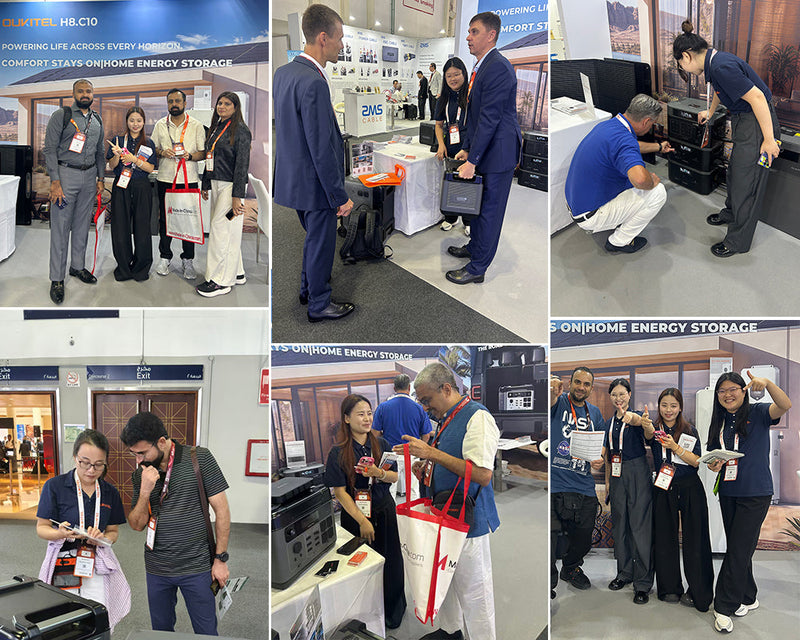
OUKITEL Power Brings Full-Scenario Energy Storage Solutions to Intersolar Middle East 2026 in Dubai
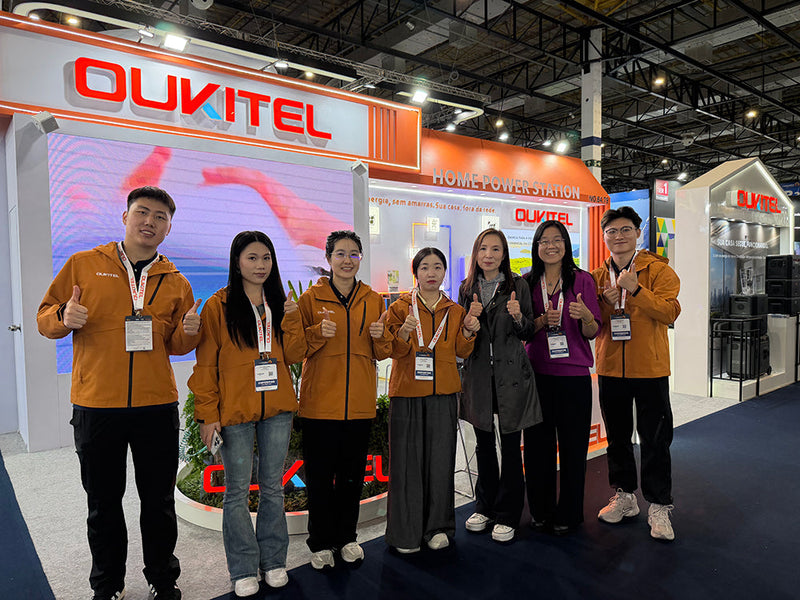
OUKITEL prezentuje rozwiązania do magazynowania energii na targach Intersolar South America 2026, przyspieszając ekspansję w Ameryce Łacińskiej
Europejski przewodnik właściciela domu: jak obniżyć rachunki za pompę ciepła dzięki magazynowaniu energii i inteligentnym taryfom
Dobór mocy paneli słonecznych i baterii do zimowej pompy ciepła: poradnik dla zimnego klimatu w Europie (Niemcy, Szwecja, Ukraina)
Poradnik przetrwania blackoutu z pompą ciepła: jak wydłużyć działanie baterii podczas wielodniowych zimowych przerw w dostawie prądu