C01
C01


Energia Portatile per Scavi Archeologici: Come Scegliere una Power Station per la Ricerca sul Campo
Immagina che un'unità di georadar si spenga nel bel mezzo di una scansione, o che un datalogger corrompa i dati a causa di un'alimentazione instabile. Nei siti archeologici remoti, un guasto alle apparecchiature dovuto a una cattiva alimentazione non è solo un inconveniente: può significare perdere i dati di un'intera stagione. Un'alimentazione affidabile e pulita non è più un lusso per i team di ricerca che lavorano lontano dalla rete elettrica. Una power station portatile — essenzialmente una grande batteria con inverter — ha sostituito il rumoroso generatore in molte spedizioni sul campo. Ma non tutte le unità sono uguali, e scegliere quella sbagliata può essere peggio che non avere alcuna alimentazione. Questa guida spiega cosa conta davvero per l'alimentazione di siti remoti, concentrandosi sulle esigenze specifiche degli scavi archeologici, dei team di paleontologia e dei biologi sul campo.

Capire il Fabbisogno Energetico di uno Scavo: Apparecchiature, Cicli di Utilizzo e Consumo Reale
Prima di acquistare qualsiasi batteria, devi fare un elenco realistico di cosa farai funzionare e per quanto tempo. Una tipica power station portatile per uno scavo archeologico deve gestire un mix di carichi continui e intermittenti:
- Elaborazione dati e comunicazione: Laptop (30–60W), tablet (<10W) e modem satellitari (5–15W) spesso funzionano tutto il giorno.
- Strumenti sensibili: Resistivimetri, magnetometri e unità di georadar possono assorbire 10–50W durante il funzionamento, ma spesso si accendono e si spengono.
- Conservazione dei campioni: Un piccolo frigorifero a compressore da 12V per reperti delicati o campioni organici può consumare 200–300Wh al giorno, a seconda della temperatura ambiente.
- Illuminazione e ricarica: Luci da lavoro a LED (10–30W ciascuna) e la ricarica di fotocamere, GPS portatili e walkie-talkie aggiungono un carico di base piccolo ma continuo.
Per una giornata lavorativa di 8–10 ore, un tipico campo di ricerca potrebbe consumare da 800 a 1200 wattora (Wh) di energia. Ciò significa che una stazione con capacità di 2048Wh — come la OUKITEL P2001 Pro — può gestire comodamente un'intera giornata di lavoro sul campo e avere ancora riserva per la sera. Se lo scavo utilizza apparecchiature ad alto consumo, come un resistivimetro ad alta potenza o un piccolo condizionatore per una tenda-laboratorio, il consumo giornaliero può superare i 2000Wh, rendendo una batteria più grande una scelta più sicura. Il lavoro sul campo in condizioni di caldo estremo aumenterà anche i cicli del frigorifero, a volte raddoppiandone il consumo.
Per spedizioni di più settimane senza generatore di riserva, è saggio prevedere un margine del 30–50% rispetto al consumo giornaliero stimato, per coprire giornate nuvolose e apparecchiature dimenticate. È qui che i sistemi espandibili come la OUKITEL BP3000 (che può accettare fino a sette batterie di espansione per un totale di 16384Wh) diventano interessanti: inizi con un'unità base gestibile e aggiungi capacità man mano che la stagione avanza.
Caratteristiche Chiave per la Ricerca sul Campo: Onda Seno Pura, Resistenza alla Polvere e Funzionamento Silenzioso
Le apparecchiature da laboratorio archeologico non perdonano un'alimentazione approssimativa. Tre caratteristiche distinguono una power station portatile pronta per il campo da un'unità da campeggio per consumatori.
Uscita a onda seno pura. Molti dispositivi sensibili — in particolare spettrometri, datalogger e refrigeratori per campioni di grado medico — si affidano a forme d'onda sinusoidali precise. Un inverter a onda seno modificata (comune negli inverter economici) può causare derive nelle misurazioni, corruzione dei dati o persino danni permanenti all'elettronica sensibile. Tutte le power station OUKITEL per l'alimentazione di siti remoti utilizzano inverter a onda seno pura, che eguagliano la qualità dell'energia di rete. Ad esempio, la OUKITEL P5000 Pro produce 4000W di potenza di uscita continua a onda seno pura, sufficiente per far funzionare un microonde o un piccolo condizionatore senza influenzare gli strumenti di ricerca collegati.
Resistenza alla polvere. I siti di scavo sono polverosi — a volte inevitabilmente. Sebbene nessuna power station portatile sia ermeticamente sigillata, un'unità ben progettata gestisce calore e particelle con raffreddamento attivo e separazione interna. Alcuni modelli non hanno una classificazione IP ufficiale, ma ciò non significa che siano indifesi. Un sistema di ventole intelligenti, come il design a 4 ventole della P2001 Pro, aspira aria attraverso l'unità per raffreddare inverter e batteria, ma è responsabilità dell'utente tenere la stazione sotto un telo o all'interno del vestibolo di una tenda. Evita di posizionarla direttamente in una tempesta di sabbia. L'accumulo di polvere sui pannelli solari è un problema ancora più grande (trattato nella prossima sezione).
Funzionamento silenzioso. I generatori emettono 60–80 dB di rumore, che può disturbare la fauna selvatica, coprire delicate mappature acustiche e irritare le comunità indigene vicine. Una stazione a batteria con raffreddamento a ventola produce un sussurro in confronto — tipicamente molto più silenziosa di un generatore a pochi metri di distanza. La P5000 Pro e la P2001 Pro utilizzano entrambe ventole a velocità variabile che si attivano solo sotto carichi elevati, il che significa che i periodi notturni o a bassa potenza sono essenzialmente silenziosi. Questo da solo ha convinto molti direttori di scavo a cambiare.
Strategie di Ricarica Solare per Siti Archeologici Remoti: Dimensionamento dei Pannelli e Gestione della Polvere
Anche la batteria più grande alla fine si scarica. In luoghi veramente remoti, dove il rifornimento di carburante è impraticabile, il solare diventa il metodo di ricarica principale. Il calcolo è semplice: un singolo pannello solare portatile da 400W — come il Pannello Solare OUKITEL 400W con celle monocristalline ad efficienza di conversione del 24,8% e rivestimento ETFE — può catturare circa 2000Wh in una giornata estiva limpida (6 ore di buon sole). Questo è sufficiente per ricaricare una batteria da 2048Wh da vuota. In pratica, raramente si hanno condizioni perfette. L'uscita reale del pannello dipende dall'orientamento, dall'angolo del sole, dalla temperatura e — soprattutto — dalla polvere.
In uno scavo attivo, la polvere fine proveniente da setacciatura e scalpellatura si deposita sui pannelli entro poche ore. Uno strato di sporco sottile come un biglietto da visita può ridurre l'uscita del 10–30%. I team di ricerca in Medio Oriente e nel sud-ovest americano riferiscono di dover pulire i pannelli due o tre volte al giorno per mantenere i tassi di carica. Usa un panno in microfibra e acqua pulita; evita di graffiare la superficie ETFE. Il pannello OUKITEL è classificato IP68 resistente agli spruzzi, quindi un risciacquo delicato non lo danneggerà.
Per un sito che consuma 1200Wh al giorno, un singolo pannello da 400W potrebbe bastare in estate, ma per coprire periodi nuvolosi e perdite per polvere, le configurazioni testate sul campo spesso abbinano due pannelli per un ingresso combinato di 800W. La P2001 Pro accetta fino a 1000W di solare, quindi due pannelli da 400W possono raggiungere un ingresso solare quasi massimo (controlla la lista di compatibilità ufficiale per il tuo modello specifico prima di acquistare i pannelli). Se budget o peso di trasporto lo impediscono, integra con una ricarica occasionale del generatore di notte — usando la capacità di carica rapida CA dell'unità (ingresso 1800W, 80% in 1 ora) per ricaricare rapidamente da un piccolo generatore a basso consumo che funziona solo per un'ora invece che tutto il giorno.
Capacità della Batteria vs. Portabilità: Dimensionamento per Spedizioni di Più Settimane Senza Spezzarti la Schiena
Ogni chilo conta quando l'attrezzatura deve essere trasportata al sito. Una stazione da 2048Wh come la P2001 Pro pesa 25 kg (55 libbre) — non leggera, ma gestibile per due persone che la trascinano da un veicolo e la sistemano sotto una tenda. La P5000 Pro da 5120Wh pesa 53 kg (117 libbre), il che richiede quasi certamente un carrello o una configurazione permanente del campo base con accesso al veicolo. Il compromesso è chiaro: più capacità significa meno ricariche e maggiore autonomia, ma anche una grave penalità in termini di mobilità.
Per uno scavo supportato da veicoli in un parco statale o su un altopiano desertico, l'unità più pesante è una scelta pragmatica. Una P5000 Pro può alimentare contemporaneamente un laptop, un resistivimetro, un terminale satellitare e un frigorifero da 12V per due intere giornate lavorative senza ricarica. Per un'indagine a piedi in un canyon o in un sito nella giungla dove l'ultimo miglio è a piedi, la P2001 Pro più leggera è molto più pratica. Ad esempio, un team in un ambiente ad alta quota ha utilizzato una P2001 Pro e un singolo pannello da 400W per far funzionare uno scanner LiDAR, due laptop e un caricabatterie per droni per un progetto di dieci giorni. Hanno trasportato la stazione a cavallo — qualcosa che sarebbe impossibile con un'unità da 53 kg.
Una terza opzione è la via espandibile. L'unità base BP3000 (2048Wh) pesa 24 kg, e ogni batteria di espansione (B2000L, venduta separatamente) aggiunge altri 2048Wh a un peso simile. Un equipaggio può iniziare con la base, vedere come si evolve il consumo e portare più batterie in seguito se necessario. Questo approccio modulare offre anche ridondanza: se un pacco batteria si guasta, hai ancora gli altri su cui contare.
Errori Comuni che Possono Lasciare uno Scavo al Buio — e Come Evitarli
Le condizioni sul campo puniscono la pianificazione ottimistica. Ecco quattro modi specifici in cui i sistemi di alimentazione per siti remoti falliscono e come prevenirli.
1. Ignorare i requisiti dell'onda seno pura. Immagina un team di paleontologia che usa un inverter a onda seno modificata per alimentare uno scanner CT portatile. Il rumore elettrico risultante corrompe i dati delle immagini, sprecando un'intera giornata di scavo. La soluzione non è negoziabile: qualsiasi apparecchiatura con microprocessore, motore a velocità variabile o front-end di misurazione sensibile richiede onda seno pura. Controlla il manuale prima di acquistare la batteria.
2. Sottodimensionare la batteria per notti e periodi nuvolosi. Un'ipotesi ottimistica comune è che il sole splenda ogni giorno. In realtà, un tratto nuvoloso di due giorni può scaricare completamente la batteria se l'hai dimensionata esattamente per il consumo di un giorno. Raddoppia il margine: se il tuo consumo giornaliero è di 1000Wh, scegli almeno 2000Wh di capacità utilizzabile. Meglio ancora, pianifica un'autonomia di tre giorni senza alcun solare, e poi lascia che il solare ti ricarichi quando può.
3. Dimenticare la riduzione di prestazioni ad alte temperature. Le batterie al Litio ferro fosfato (LiFePO4) (utilizzate in tutte le unità OUKITEL) sono più tolleranti al calore rispetto alle chimiche NMC, ma hanno comunque dei limiti. Temperature di esercizio superiori a 40°C (104°F) possono indurre il BMS a ridurre la corrente di carica, rallentando la ricarica. Nel Sahara o nell'entroterra australiano, posiziona la power station all'ombra — sotto un telo bianco o in una tenda ben ventilata — per mantenere la temperatura ambiente entro l'intervallo di esercizio 0°C–40°C. Non seppellirla nel bagagliaio caldo di un veicolo.
4. Risparmiare sulla qualità dei pannelli solari. I pannelli pieghevoli economici con celle di efficienza del 15% possono andare bene per un picnic, ma non ricaricheranno in modo affidabile una stazione di ricerca. Investi in pannelli monocristallini ad alta efficienza che possano ancora produrre energia utilizzabile con cielo parzialmente nuvoloso o condizioni di foschia. Il pannello OUKITEL da 400W utilizza celle laminate ETFE con efficienza del 24,8%, il che aiuta a ottenere più wattora da una breve finestra di ricarica.
Esempio concreto (cosa è andato bene): Un team di biologi sul campo in Baja California ha fatto affidamento su una stazione LiFePO4 da 2048Wh con due pannelli solari da 400W. Il loro carico giornaliero — laptop, fotocamera per microscopio, stazione base GPS e un frigorifero per vaccini — ammontava a circa 1100Wh. Anche dopo che una tempesta di polvere ha ridotto l'uscita di un pannello del 25%, sono riusciti a completare una spedizione di 14 giorni senza rumore di generatore. La chiave è stata un dimensionamento conservativo e una gestione aggressiva della polvere.
Cosa è andato storto: Considera un ipotetico scavo nella Turchia centrale dove un team ha usato un inverter a onda seno modificata economico per alimentare un resistivimetro. L'unità ha registrato letture erratiche scoperte solo dopo la fine della stagione sul campo, rendendo il set di dati inutilizzabile. Il costo della fonte di alimentazione impropria era zero rispetto ai fondi di ricerca e al lavoro persi. L'onda seno pura sarebbe costata qualche centinaio di euro in più inizialmente, ma avrebbe salvato l'intero progetto.
Domande Frequenti
Quanta capacità della batteria mi serve per una tipica giornata di scavo di 8–10 ore con laptop, luci e un piccolo frigorifero?
Una media sicura è di 1000–1500 wattora (Wh) al giorno. Un laptop (50W per 8h = 400Wh), luci a LED (30W per 6h = 180Wh) e un piccolo frigorifero (250Wh in 24h) sommano a circa 830Wh. Aggiungi un margine per nuvole e invecchiamento della batteria, e una stazione da 2048Wh coprirà un'intera giornata con spazio di riserva. Se usi anche un resistivimetro o uno spettrometro portatile, punta a 2500Wh o a un sistema espandibile.
Posso ricaricare una power station con pannelli solari portatili durante uno scavo attivo?
Sì, ed è una pratica standard. Posiziona i pannelli lontano dal passaggio di persone e dai setacci. Aspettati di pulirli più volte al giorno perché la polvere di scavo si deposita rapidamente. Un singolo pannello da 400W può iniettare 200–350W sotto sole forte — abbastanza per alimentare il campo mentre ricarica lentamente la batteria. Per un funzionamento quasi continuo, dimensiona i pannelli in modo che la loro potenza di picco sia almeno il 150% del tuo consumo medio.
Perché l'uscita a onda seno pura è fondamentale per apparecchiature da laboratorio archeologico come spettrometri e datalogger?
Spettrometri, resistivimetri e datalogger di precisione si affidano a forme d'onda di tensione pulite e stabili. Un'onda seno modificata — un'approssimazione a gradini — contiene distorsione armonica che può causare derive nelle misurazioni, errori di calibrazione dei sensori e corruzione dei file di dati. Gli inverter a onda seno pura replicano l'AC di qualità di rete, eliminando questo rischio. Per dati di qualità da ricerca, non accettare nulla di meno.
In che modo caldo estremo e polvere influenzano le prestazioni della batteria, e cosa posso fare al riguardo?
Il calore accelera l'invecchiamento chimico e può indurre il sistema di gestione della batteria (BMS) a limitare la carica sopra i 40°C. La polvere ostruisce le ventole di raffreddamento e riduce la dissipazione del calore, potenzialmente innescando spegnimenti termici. Tieni l'unità all'ombra — sotto un telo riflettente, mai al sole diretto. Pulisci le griglie delle ventole con una spazzola morbida ogni pochi giorni. Le batterie LiFePO4 (come quelle nelle stazioni OUKITEL) gestiscono il calore meglio delle NMC, ma necessitano comunque di protezione in condizioni desertiche.
Una power station portatile per uno scavo archeologico non è solo una grande batteria — è la spina dorsale silenziosa, pulita e affidabile dell'intera operazione di ricerca sul campo. Abbinando il tuo consumo giornaliero effettivo a un'unità LiFePO4 adeguatamente dimensionata con uscita a onda seno pura, e combinandola con una ricarica solare efficiente e una routine realistica di gestione della polvere, elimini il rumore del generatore, proteggi gli strumenti sensibili e guadagni la libertà di concentrarti sulla scienza piuttosto che sulla logistica del carburante. La scelta si riduce a una regola semplice: calcola i tuoi wattora giornalieri nel caso peggiore, raddoppiali per sicurezza e scegli una stazione che possa essere ricaricata dal solare in una singola giornata limpida. Da lì, ogni frammento, osso e campione di terreno riceve l'attenzione attenta e ininterrotta che merita.
Questo articolo è stato scritto utilizzando fonti aggiornate a luglio 2026. I dettagli potrebbero cambiare nel tempo — verifica le specifiche attuali prima di fare affidamento su di esse.
Latest articles
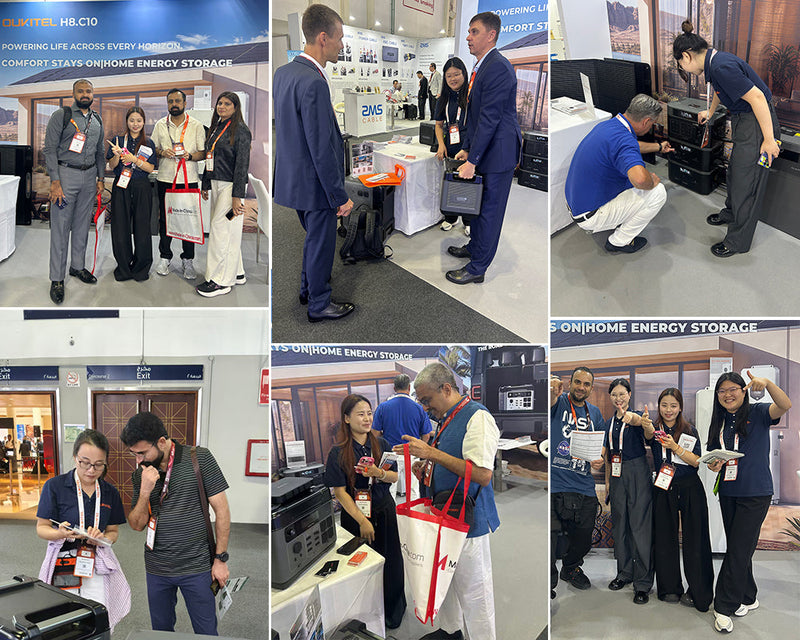
OUKITEL Power Brings Full-Scenario Energy Storage Solutions to Intersolar Middle East 2026 in Dubai
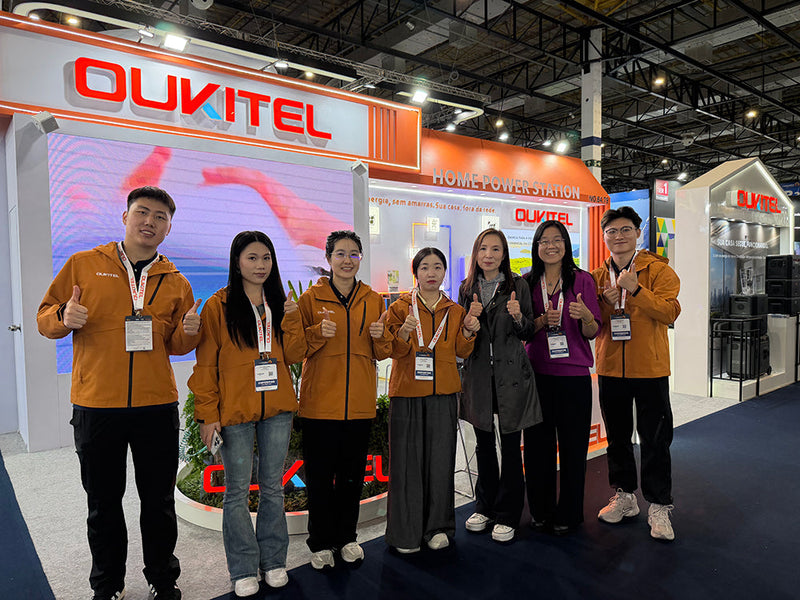
OUKITEL presenta le soluzioni di accumulo di energia a Intersolar South America 2026, accelerando l'espansione in America Latina
La guida per i proprietari di casa europei per ridurre le bollette delle pompe di calore con batterie di accumulo e tariffe intelligenti
Dimensionare solare e batteria per una pompa di calore invernale: guida per climi freddi in Europa (Germania, Svezia, Ucraina)
Guida alla sopravvivenza ai blackout con pompa di calore: come far durare la batteria durante interruzioni invernali di più giorni