C01
C01


So wählen Sie die richtige netzunabhängige Stromversorgung für ein abgelegenes Leben
Autarkes Leben ist nicht nur eine Option, sondern zwei. Manche Menschen benötigen eine dauerhafte Hütte mit allem Komfort eines modernen Zuhauses: Kühlschrank, Brunnenpumpe, Elektrowerkzeuge, vielleicht eine Waschmaschine. Andere wiederum müssen für einige Wochen eine temporäre Baustelle mit Strom versorgen – einen Bauwagen, eine Feldstation oder eine mobile Kommunikationszentrale. Ausrüstung, Kosten und Planung unterscheiden sich grundlegend für diese beiden Szenarien, und sie zu verwechseln, ist einer der teuersten Fehler, die Einsteiger im Bereich der autarken Versorgung begehen können.
Dieser Leitfaden stellt die beiden Wege übersichtlich dar. Er richtet sich an Hausbesitzer, Bauherren und Fachleute, die sich erstmals mit netzunabhängiger Stromversorgung auseinandersetzen und einen verlässlichen Einstieg benötigen – keinen Produktkatalog, sondern ein Entscheidungsmodell. Am Ende wissen Sie, welcher Weg zu Ihrer Situation passt und wo Sie weitere Details finden.

Ihren netzunabhängigen Strombedarf verstehen: Hütte vs. abgelegener Standort
Permanente autarke Hütten benötigen ein System, das für den ganzjährigen, kontinuierlichen und unbeaufsichtigten Betrieb ausgelegt ist. Sie benötigen ausreichend Batteriespeicher für 2–3 Tage Autonomie (oder mehr bei schlechtem Wetter), einen Wechselrichter, der stark genug ist, um Brunnenpumpen und Elektrowerkzeuge gleichzeitig zu betreiben, und eine Ladequelle – Solarenergie und oft ein Notstromaggregat –, die die Batterien auch an den kürzesten Wintertagen aufladen kann. Eine typische Ganzjahreshütte mit moderatem Geräteverbrauch liegt bei 4–10 kWh pro Tag. Ein zuverlässiges System dieser Leistungsklasse erfordert eine erhebliche Anfangsinvestition in fest installierte Batteriespeicher und eine eigene Solaranlage.
Im Gegensatz dazu benötigt ein abgelegener Arbeitsort – beispielsweise ein Vermessungsteam, eine Bautruppe oder ein temporäres Feldbüro – tragbare Ausrüstung, die sich täglich verpacken, transportieren und neu konfigurieren lässt. Der Energiebedarf ist geringer (1–3 kWh pro Tag für Beleuchtung, Ladegeräte, Laptops und Kommunikationsgeräte), und der Zeithorizont beträgt Wochen oder Monate, nicht Jahrzehnte. Eine mobile Powerstation mit einem faltbaren Solarmodul-Set wird zum praktischen Herzstück und ersetzt oft einen lauten, wartungsintensiven Benzingenerator.
Positives Anwendungsbeispiel (portables Setup): Stellen Sie sich ein kleines Archäologenteam vor, das in einem abgelegenen Wüstental eine Ausgrabungsstätte errichtet. Sie bringen eine tragbare 2.048-Wh-Stromstation mit, die eine Dauerleistung von 2.400 W liefert, kombiniert mit einem tragbaren 400-W-Solarpanel. Bei sechs Stunden Sonnenschein erzeugen sie etwa 2 kWh – genug, um ihre Spachtelreinigungsstation zu betreiben, LiDAR-Akkus und Laptops zu laden und die Campbeleuchtung die ganze Nacht über zu versorgen. Das System wiegt weniger als 25 kg, benötigt keinen Treibstoff und kann in einem Pickup transportiert werden. Die gesamten Energiekosten sind nach dem Kauf der Hardware praktisch null, und die Ausrüstung kann dank der LiFePO4-Akkutechnologie mit über 4.000 Ladezyklen jahrelang für verschiedene Projekte wiederverwendet werden.
Negativbeispiel (zu kleine permanente Anlage): Angenommen, ein Paar baut eine 37 Quadratmeter große Hütte im Wald und beschließt, sie mit einer kleinen tragbaren 512-Wh-Batterie und einem einzelnen faltbaren Solarpanel zu betreiben. Sie haben den Stromverbrauch eines kleinen 12-V-Kompressorkühlschranks (der etwa 500 Wh pro Tag verbraucht) falsch eingeschätzt und den Bedarf an Laptop, Lampen und gelegentlichem Werkzeuggebrauch nicht berücksichtigt. Während einer dreitägigen Regenperiode entlud sich die Batterie vollständig. Der Kühlschrank erwärmte sich, Lebensmittel verdarben, und sie verloren ihren Inhalt – eine direkte, vermeidbare Folge davon, dass sie eine temporäre Campinglösung mit den Anforderungen eines dauerhaften Aufenthalts verwechselt hatten. Schließlich rüsteten sie auf ein fest installiertes System mit 5 kWh LiFePO4-Speicher und 1,5 kW Solarleistung auf. Die Lehre daraus: Das System sollte dem jeweiligen Anwendungsfall angepasst sein, nicht nur auf der angegebenen Kapazität basieren.
Die Entscheidungsregel ist einfach.Wenn Sie das Gelände länger als sechs Monate im Jahr nutzen und Kühlung, Wasserpumpe oder Stromanschluss (entsprechend dem öffentlichen Stromnetz) benötigen, befinden Sie sich auf der permanenter Kabinensystemweg. Wenn Sie nur während einer begrenzten Arbeitskampagne Strom benötigen, die Geräte häufig umstellen oder eine temporäre Außenstelle einrichten, ist ein [Produktname/eine Software/etc.] besser geeignet. tragbare Stromversorgung für abgelegene Standorte. Für beide Vorgehensweisen gibt es detaillierte Anleitungen, die Sie durch die Komponentenauswahl, Dimensionierung und Installation führen – dieser Artikel gibt Ihnen die Wegweiser.
Wichtigste Systemkomponenten: Solaranlagen, Batterien und Generatoren im Überblick
Jedes netzunabhängige Stromversorgungssystem basiert auf drei Säulen: Stromerzeugung (Solarpaneele und optional ein Stromgenerator), Speicherung (Batteriespeicher) und Energiemanagement (Wechselrichter, Laderegler, Sicherheitselektronik). Das Verständnis der Funktionsweise der einzelnen Komponenten im praktischen Einsatz beugt den häufigsten Konstruktionsfehlern vor.
Solarpaneele Sie stellen die primäre langfristige Energiequelle dar. Monokristalline Module mit ETFE-Laminierung und Schutzart IP68 sind unempfindlich gegenüber Regen, Staub und rauer Behandlung – wichtig sowohl für die Installation auf Hüttendächern als auch für mobile Anwendungen. Entscheidend ist nicht allein die Spitzenleistung in Watt, sondern die tatsächliche Stromerzeugung in Wattstunden (kWh) unter den gegebenen klimatischen Bedingungen. Ein 400-W-Modul, das bei optimaler Neigung (30–45°) und guter Sonneneinstrahlung installiert ist, kann bis zu 2 kWh pro Tag liefern; bei bewölktem Winterwetter kann die Leistung auf 0,5 kWh oder weniger sinken.
Batterien Speichern Sie Energie, um Strom auch dann nutzen zu können, wenn die Sonne nicht scheint. Lithium-Eisenphosphat (LiFePO4) ist heute der Standard für netzunabhängige Energiespeicher, da es 2.000–5.000 Ladezyklen (etwa 10–15+ Jahre) übersteht, im Vergleich zu nur 300–500 Zyklen bei gefluteten Blei-Säure-Batterien. Ein LiFePO4-System bietet zudem eine höhere nutzbare Kapazität – typischerweise 90 % Entladetiefe gegenüber 50 % bei Blei-Säure-Batterien. So liefert beispielsweise eine 5-kWh-LiFePO4-Batterie 4,5 kWh nutzbare Energie, während eine 5-kWh-Blei-Säure-Batterie nur 2,5 kWh liefert. Allein dieser Unterschied rechtfertigt oft die höheren Anschaffungskosten von Lithium.
Wechselrichter und Laderegler Der Wechselrichter wandelt Gleichstrom aus der Batterie in Wechselstrom für Haushaltsgeräte um und steuert die Solareinspeisung. Ein reiner Sinus-Wechselrichter ist unerlässlich für empfindliche Elektronik (Laptops, medizinische Geräte, drehzahlvariable Motoren). Die Dauerleistung des Wechselrichters muss die maximale Gesamtlast, die jemals gleichzeitig betrieben wird, übersteigen, und seine Spitzenleistung muss Anlaufstromspitzen von Motoren abfangen – eine 0,75-PS-Brunnenpumpe kann kurzzeitig 3000 W oder mehr aufnehmen. Bei der Integration mehrerer Module empfiehlt sich ein MPPT-Laderegler; dieser holt bis zu 30 % mehr Energie aus demselben Modulfeld heraus als ältere PWM-Regler.
Notstromaggregate Sie dienen als Sicherheitsventil, nicht als primäre Lösung. Ein kleiner Invertergenerator (2.000–3.500 W), der die Batteriebank auflädt, wenn die Solarstromerzeugung nicht ausreicht, erhöht die Ausfallsicherheit, ohne die Ruhe des netzunabhängigen Lebens zu beeinträchtigen. Ein häufiger Fehler ist die Verwendung einer zu kleinen Solaranlage in der Erwartung, dass der Generator ständig läuft. Dadurch gehen Kraftstoffkosten und Geräuscharmut verloren. Ein gut geplantes Solar-Batterie-System sollte den Generator nur bei seltenen, längeren Bewölkungsperioden oder bei außergewöhnlich hohem Stromverbrauch zuschalten.
Abwägung: tragbare All-in-One-Station vs. separate Komponenten. Eine mobile Powerstation integriert Akku, Wechselrichter, MPPT-Regler und Batteriemanagementsystem (BMS) in einem einzigen, geprüften Gerät – äußerst praktisch für abgelegene Standorte, wo schneller Aufbau und Mobilität entscheidend sind. Der Nachteil: Die Kapazität ist begrenzt; defekte Akkuzellen lassen sich nicht austauschen, und die Erweiterung ist auf die mitgelieferten Zusatzmodule beschränkt. Ein herkömmliches, komponentenbasiertes System bietet mehr Reparaturfreundlichkeit und Flexibilität, erfordert jedoch fundiertere Elektrotechnikkenntnisse und eine wetterfeste Installation. Für temporäre Einsätze in abgelegenen Gebieten ist die Integration ein großer Vorteil; für eine permanente Hütte überwiegt oft die Flexibilität.
Anpassung Ihrer Konfiguration an Klima-, Nutzungs- und Zugriffsbeschränkungen
Ein netzunabhängiges Stromversorgungssystem, das in Arizona funktioniert, wird im pazifischen Nordwesten im November scheitern. Das Klima bestimmt nicht nur die Solarleistung, sondern auch die benötigte Batteriekapazität. Eine gute Faustregel: Dimensionieren Sie Ihre Batteriebank so, dass sie Ihren täglichen Strombedarf mindestens drei Tage ohne Sonneneinstrahlung decken kann, wenn Sie ausschließlich auf Solarenergie setzen. In Regionen mit anhaltend bewölktem Himmel sollten Sie diese Kapazität auf fünf Tage erhöhen oder einen Generator zur Aufladung der Batterien bereitstellen.
Die Zugänglichkeit in der Praxis ist genauso wichtig wie Strahlungskarten. Eine fest installierte Hütte mit guter Straßenanbindung ermöglicht den Einsatz schwerer, leistungsstarker Batterien (50 kg oder mehr) und einer 2-kW-Solaranlage, da die Ausrüstung nur einmal transportiert werden muss. Ein abgelegener Standort, der nur zu Fuß oder per Hubschrauber erreichbar ist, unterliegt strengen Gewichtsbeschränkungen. Selbst die leistungsfähigste mobile Station ist nutzlos, wenn sie nicht physisch zum Einsatzort gebracht werden kann. Ein Gerät wie das OUKITEL P2001 Plus Das Gerät wiegt 22 kg und liefert 2.048 Wh – mit festem Griff von einer Person tragbar, aber ein längerer Transport über unwegsames Gelände ist anstrengend. Im Vergleich dazu lässt sich ein kleineres Gerät mit 512 Wh und 6 kg Gewicht problemlos in einer Hand tragen, kann aber weder eine Mikrowelle noch eine Kreissäge betreiben. Gewicht und Kapazität stehen in direktem Gegensatz zueinander.
Die Größe des Wechselrichters hängt vom Nutzungsverhalten ab, nicht nur von der Batteriekapazität. Ein Bauwagen, der gleichzeitig eine Gehrungssäge, einen Kompressor und Ladegeräte betreibt, benötigt 2.400 W Dauerleistung und 4.800 W Spitzenleistung für den Anlauf. Ein Baustellenbüro mit Laptops und einem Starlink-Terminal kommt mit 1.000 W oder weniger aus. Ein überdimensionierter Wechselrichter verschwendet im Leerlauf Batterieleistung; ein unterdimensionierter Wechselrichter führt zu Kurzschlüssen und Arbeitsausfällen. Die Dauerleistung des Wechselrichters sollte der Summe der gleichzeitig betriebenen Geräte entsprechen. Zusätzlich sollten 20 % Reserve eingeplant werden, um einen permanenten Volllastbetrieb zu vermeiden.
Häufiger Fehler: Ignorieren von Temperaturgrenzen. Sowohl Blei-Säure- als auch Lithium-Eisenphosphat-Akkus (LiFePO4) verlieren bei extremer Kälte an Kapazität. LiFePO4-Akkus können in der Regel ohne interne Heizung nicht unter 0 °C geladen werden; viele tragbare Ladestationen verfügen über einen Kälteschutz, jedoch nicht alle. Wenn Sie den Betrieb bei Minustemperaturen planen, überprüfen Sie den genauen Betriebstemperaturbereich. In einer festen Hütte lässt sich dieses Problem durch die Platzierung der Akkus im beheizten/klimatisierten Raum beheben. An abgelegenen Winterstandorten benötigen Sie möglicherweise ein isoliertes Gehäuse oder ein Modell mit integrierter Heizung.
Die entscheidende Regel lautet: Erreichbarkeit des Standorts + Wetterbedingungen = erforderliche Autonomie. Wenn der Standort im Winter nicht erreichbar ist, um einen Generator aufzutanken, muss die Solar- und Speicherkapazität überdimensioniert sein, um den schwächsten Monat zu überstehen. Es gibt keine Abkürzung. Eine reine Solaranlage an einem Standort mit einer Auslastung von 30 % im Dezember benötigt etwa die dreifache Modulfläche einer Anlage an einem Standort mit einer Auslastung von 90 % im Sommer, um die gleiche tägliche Energiemenge zu liefern.
Erste Schritte zur Entwicklung eines zuverlässigen netzunabhängigen Stromversorgungssystems
Ob Sie eine permanente Hütte oder eine temporäre mobile Lösung planen, der Planungsprozess beginnt mit derselben Tabelle. Listen Sie alle elektrischen Geräte auf, die Sie verwenden werden, ihre Wattzahl und die tägliche Laufzeit in Stunden. Multiplizieren Sie diese Werte, um die Wattstunden pro Tag zu erhalten. Addieren Sie alle Verbraucher, um Ihren gesamten Tagesverbrauch zu ermitteln. Wenden Sie dann die Autonomieregel (3–5 Tage Batteriespeicherkapazität, abhängig vom Klima) und einen Wirkungsgradfaktor an (ca. 85 % für LiFePO4-Systeme von Gleichstrom zu Wechselstrom). Das ergibt die minimal nutzbare Batteriekapazität.
Als Nächstes dimensionieren Sie Ihre Solaranlage so, dass sie den benötigten Tagesenergiebedarf im sonnenärmsten Monat an Ihrem Standort deckt. Nutzen Sie dazu eine Sonneneinstrahlungskarte oder einen Online-Rechner für Ihre spezifischen Koordinaten. Teilen Sie Ihren täglichen Energiebedarf durch die maximale Sonneneinstrahlung im sonnenärmsten Monat, um die erforderliche Leistung der Anlage zu ermitteln. Verlassen Sie sich nicht allein auf die Nennleistung der Module; ein 400-Watt-Modul liefert im Dezember in Berlin deutlich weniger Strom als ein 400-Watt-Modul im Juli in Madrid.An dieser Stelle scheitern viele netzunabhängige Projekte – das System ist auf durchschnittliche Sonneneinstrahlung ausgelegt, nicht auf den ungünstigsten Fall, und versagt genau dann, wenn es am dringendsten benötigt wird.
Sobald Sie die Zahlen haben, können Sie sich für eine Systemarchitektur entscheiden. Für eine permanente Hütte werden Sie sich wahrscheinlich für einen fest installierten Batteriespeicher entscheiden (e.g. , 10–20 kWh LiFePO4) mit 2–4 kW Dachsolaranlage und einem Anschluss für einen Notstromgenerator. Für abgelegene Standorte vereinfacht eine mobile Powerstation die Umsetzung erheblich: Das Gerät enthält bereits Wechselrichter, Batterie, Batteriemanagementsystem (BMS) und Sicherheitszertifizierungen wie CE, FCC, PSE, RoHS und UN38.3 – Sie müssen lediglich die Solarmodule hinzufügen. Zum Beispiel ein 5120-Wh-Station mit 4000-W-Wechselstromausgang Es kann gleichzeitig Hochleistungswerkzeuge, einen Minikühlschrank und mehrere Ladegeräte betreiben und ist dabei transportabel zum Einsatzort und zurück.
Planung der Expansion. Viele beginnen mit einem kleineren, tragbaren System und rüsten bei steigendem Bedarf auf eine Werkstatt oder ein Wohnmobil um, um später eine feste Anlage in der Hütte zu installieren. Wenn Sie klein anfangen möchten, wählen Sie eine tragbare Station mit Erweiterungsakkus. Geräte mit modularen Erweiterungen lassen sich von 2 kWh auf bis zu 16 kWh skalieren, indem Sie einfach zusätzliche Akkus anklicken. So können Sie Ihren Energiebedarf unter realen Bedingungen testen, ohne sich gleich für ein überdimensioniertes, fest installiertes System entscheiden zu müssen. Der Haken: Erweiterungsakkus kosten Geld, und die Mehrkosten können langfristig die Kosten eines fest installierten Systems übersteigen. Rechnen Sie daher für die nächsten fünf Jahre, nicht nur für den nächsten Monat.
Ziehen Sie bei der Installation einer fest installierten Anlage frühzeitig einen Elektriker hinzu. Die Einhaltung der Vorschriften, die ordnungsgemäße Erdung und die ausreichenden Abstände zwischen den Geräten sind unerlässlich. Eine mobile Station mit geschlossenem, geprüftem Design umgeht die meisten Installationsprobleme; ein System mit einzelnen Komponenten erfordert hingegen Fachkenntnisse, um die Sicherheitsstandards zu erfüllen. Zuverlässigkeit beruht nicht auf ausgefallener Technologie, sondern auf der korrekten Umsetzung grundlegender Prinzipien.
Die wichtigste Entscheidungsregel des Artikels lautet wie folgt: Dauerhafter Wohnsitz bedeutet permanente Stromversorgung; temporärer Einsatz erfordert mobile Stromversorgung, die um eine modulare, transportable Station herum aufgebaut ist. Befolgen Sie diese Regel, und Sie vermeiden den Fehler, Geld für die falsche Geräteklasse auszugeben. Weitere Details finden Sie im nächsten Abschnitt. Leitfaden für Kabinenstromlösungen wenn Ihr Weg endgültig ist, oder die Leitfaden zur Stromversorgung von abgelegenen Standorten Falls Sie ein robustes, tragbares System benötigen. Beide Systeme bauen direkt auf dem von Ihnen bereits vorhandenen Framework auf.
Häufig gestellte Fragen
Worin besteht der Unterschied zwischen einem kompletten autarken Hüttensystem und einer tragbaren Stromstation für einen abgelegenen Standort?
Ein komplettes autarkes Hüttensystem ist eine fest installierte, leistungsstarke Anlage mit einem großen Batteriespeicher, einer fest installierten Solaranlage und oft einem Notstromaggregat – ausgelegt für den 24/7/365-Betrieb mit Verbrauchern wie Kühlschränken und Wasserpumpen. Eine mobile Powerstation hingegen ist eine in sich geschlossene, mobile Einheit mit integrierter Batterie, Wechselrichter und Laderegler. Sie eignet sich ideal für temporäre Baustellen, Forschungscamps oder Baucontainer, wo Mobilität und schneller Aufbau wichtiger sind als maximale Kapazität. Die beiden Systeme ergänzen sich, sind aber nicht gleichwertig.
Benötige ich einen Generator, wenn ich Solarenergie und Batterien habe?
In den meisten permanenten netzunabhängigen Anlagen ist ein Notstromaggregat eine sinnvolle Absicherung gegen anhaltende Bewölkung oder ungewöhnlich hohen Strombedarf. Mit einem Generator kann die Batteriekapazität etwas geringer dimensioniert werden, ohne die Zuverlässigkeit zu beeinträchtigen. An abgelegenen Standorten ist ein Generator optional, wenn die mobile Station und die Solaranlage so ausgelegt sind, dass sie die gesamte Last mit ausreichender Autonomiereserve abdecken. Ist der Betrieb jedoch geschäftskritisch und wetterabhängig, bietet ein Dual-Fuel-Invertergenerator zusätzliche Sicherheit, ohne dass eine massive Erweiterung der Batteriekapazität erforderlich ist.
Wie viel Akkukapazität benötige ich für einen Wochenendaufenthalt im Vergleich zu einem dauerhaften Aufenthalt?
Für ein Wochenendhaus mit minimalem Stromverbrauch (LED-Beleuchtung, Handyladung, kleine 12-V-Kühlbox) reicht eine tragbare Solaranlage mit 500–1000 Wh aus. Wer dauerhaft mit Kompressorkühlschrank, Wasserpumpe, Laptop und gelegentlichem Elektrowerkzeug lebt, benötigt in der Regel mindestens 5000 Wh nutzbare Speicherkapazität; 10–15 kWh sind für eine Familie komfortabler. Der entscheidende Unterschied: Wochenend-Systeme laden sich während der Abwesenheit wieder auf; Systeme für den Dauerbetrieb müssen hingegen täglich autark funktionieren und benötigen daher eine deutlich höhere Solarstromleistung und Batteriekapazität.
Kann ich klein anfangen und mein netzunabhängiges System später erweitern?
Ja, wenn Sie sich für eine modulare Architektur entscheiden. Einige tragbare Powerstations unterstützen Erweiterungsbatterien, die die Kapazität in 2-kWh-Schritten erhöhen, sodass eine 2-kWh-Basiseinheit auf 16 kWh erweitert werden kann. Für eine fest installierte Hütte ist ein komponentenbasiertes System mit rackmontierten LiFePO4-Zellen prinzipiell erweiterbar – Sie fügen einfach weitere Batteriemodule hinzu und rüsten bei Bedarf den Wechselrichter auf. Der Haken dabei ist, dass eine spätere Kapazitätserweiterung pro Wattstunde teurer ist als der Kauf eines von Anfang an optimal dimensionierten Systems. Planen Sie daher Ihren voraussichtlichen Strombedarf für die nächsten drei bis fünf Jahre, nicht nur für die erste Saison.
Dieser Artikel wurde unter Verwendung aktueller Quellen (Stand: Juli 2026) verfasst. Details können sich im Laufe der Zeit ändern – überprüfen Sie daher die aktuellen Angaben, bevor Sie sich darauf verlassen.
Latest articles
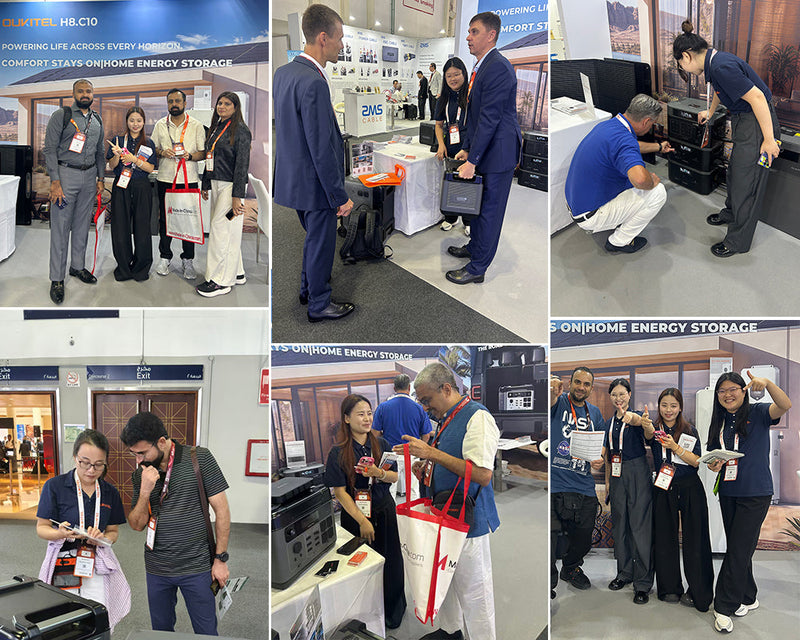
OUKITEL Power Brings Full-Scenario Energy Storage Solutions to Intersolar Middle East 2026 in Dubai
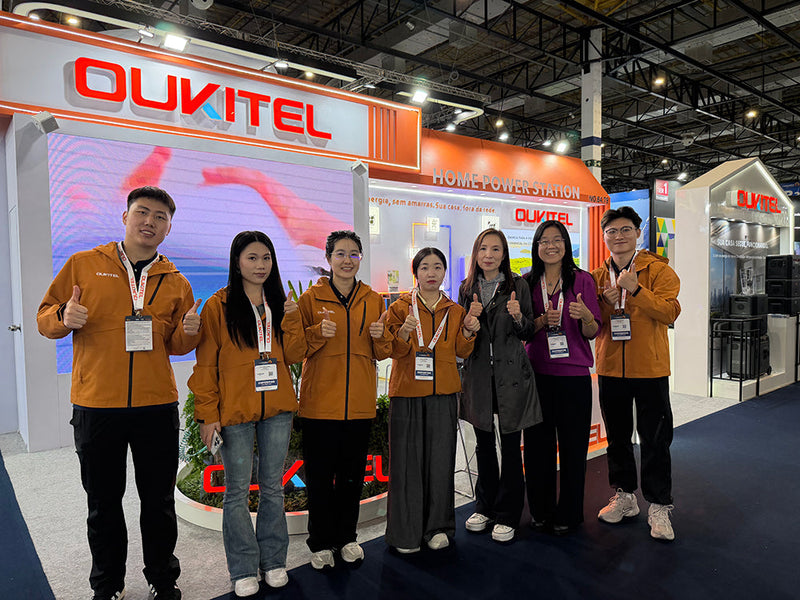
OUKITEL präsentiert Energiespeicherlösungen auf der Intersolar South America 2026 und beschleunigt Expansion in Lateinamerika
Der europäische Leitfaden für Hausbesitzer: Wärmepumpen-Kosten mit Batteriespeicher und intelligenten Tarifen senken
Dimensionierung von Solar und Batterie für eine Wärmepumpe im Winter: Ein Kälte-Leitfaden für Europa (Deutschland, Schweden, Ukraine)
Überlebensleitfaden für Wärmepumpen bei Stromausfall: So strecken Sie Ihre Batterie über mehrtägige Winterausfälle