C01
C01


Batteriespeicher in der Garage richtig gemacht: Lösungen für Klimaschutz, Feuchtigkeitskontrolle und Lärm
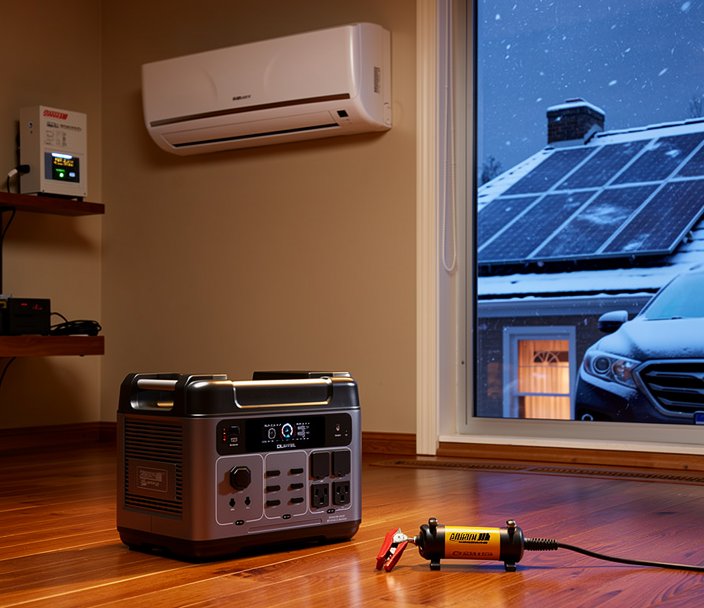
Europäische Winter verwandeln die Garage in eine kalte, feuchte Kammer. Sommernachmittage können sie in einen stickigen Backofen verwandeln. Wenn Sie dort Ihre Heimbatterie aufbewahren wollen – oder bereits eine aufgestellt ist –, stellt sich nicht die Frage: ob Temperatur und Luftfeuchtigkeit werden es beeinflussen, aber wie viel Ärgernisse, die Sie haben werden, bevor Sie das Problem beheben können. Dieser Leitfaden erklärt die drei häufigsten Ursachen für Probleme bei Garagenbatterieanlagen: Kondensation, Temperaturschwankungen und das Dröhnen eines Wechselrichters, das durch die Schlafzimmerwand dringt. Am Ende erhalten Sie eine Checkliste, die Sie noch am Wochenende anwenden können.

Garage vs. Dachboden vs. Keller: Welcher Ort hält Ihre Batterie das ganze Jahr über in Topform?
Die meisten europäischen Häuser verfügen nicht über einen separaten Technikraum für ein Batteriesystem. Daher beschränkt man sich meist auf die Garage, einen unbeheizten Dachboden oder – mit etwas Glück – einen trockenen Keller. Die Wahl des Standorts bestimmt, wie viel zusätzlicher Aufwand nötig ist, um die Batterie im optimalen Betriebsbereich zu halten.
Keller punkten mit ihrer Temperaturstabilität. Unterirdische Räume frieren selten ein und bleiben im Sommer kühl. Das ist ideal für Lithiumbatterien, die eine Temperatur von 10–25 °C bevorzugen. Der Nachteil ist die Feuchtigkeit: Viele europäische Keller, insbesondere in älteren Häusern, weisen eine hohe Luftfeuchtigkeit und gelegentlich Feuchtigkeit auf. Ein Batteriesystem, das in einer Ecke steht, die im Frühjahr feucht wird, erleidet das gleiche Schicksal wie eines in einer undichten Garage.
Dachböden sind am wenigsten empfehlenswert. Im Juli kann es auf einem unbelüfteten Dachboden in Nordfrankreich oder Süddeutschland bis zu 45 °C heiß werden. Batteriemanagementsysteme (BMS) schalten den Ladevorgang oft schon ab 40 °C ab, sodass man während einer Hitzewelle genau dann ohne Notstromversorgung dastehen kann, wenn man sie für den Kühlschrank braucht. Außerdem möchte man eine 22 kg oder 53 kg schwere Powerstation nicht zweimal über eine Leiter tragen.
Damit bleibt die Garage für die meisten Haushalte ein praktischer Kompromiss. Durch Belüftung oder einen kleinen Luftentfeuchter lässt sich die Luftfeuchtigkeit senken, und gegen kurze Frostperioden kann man sie isolieren. Die verbleibende Herausforderung ist die Schallübertragung, auf die wir später eingehen werden. Wer bereits eine Garage besitzt und bereit ist, einige kostengünstige Klimaanpassungen vorzunehmen, findet dort in der Regel den besten Platz.
Feuchtigkeit in der Garage bekämpfen: Kondenswasservermeidung, die in europäischen Wintern wirklich funktioniert
Hier das physikalische Problem: Stellt man ein warmes, feuchtes Auto an einem Dezemberabend in eine kalte Garage, befeuchtet man den Raum. Kühlt die Luft über Nacht ab, erreicht sie den Taupunkt und kondensiert auf allen kalten Oberflächen – auch auf dem Metallgehäuse und der Elektronik des Akkus. Im Laufe eines Winters kann die Kondensation Anschlüsse korrodieren, die Isolierung beschädigen und Erdschlüsse auslösen, die den Wechselrichter abschalten.
Angenommen, ein Hausbesitzer in County Kerry, Irland, installierte eine Notstromversorgungsanlage mit Batteriespeicher an einer ungedämmten Garagenwand. Die Garage war unbeheizt, und die einzige Belüftung bestand aus einem 2 cm breiten Spalt unter dem Garagentor. Nach einem verregneten Januar begann das Batteriemanagementsystem (BMS) der Anlage wiederholt Warnungen wegen mangelnder Isolierung auszugeben. Ein Elektriker stellte fest, dass Feuchtigkeit in die Gleichstromanschlüsse eingedrungen war und Korrosion verursacht hatte, die schließlich einen kompletten Austausch der Anlage erforderlich machte – Kosten, die nicht von der Garantie abgedeckt waren, da die Installationsbedingungen nicht den Anforderungen eines trockenen Standorts mit Temperaturen zwischen 0 und 40 °C entsprachen.
Eine Familie in der Nähe von Hannover hingegen stellte ihr Klimagerät auf einen Holzständer, 30 cm von der Wand entfernt, installierte eine passive Wandlüftung mit feuchtigkeitsregulierender Lamelle und betrieb während der feuchtesten Monate einen kleinen 200-Watt-Adsorptionsluftentfeuchter mit Zeitschaltuhr. Die Luftfeuchtigkeit in ihrer Garage blieb den ganzen Winter über unter 60 %. Das System läuft seit drei Jahren einwandfrei.
Praktische Schritte, die funktionieren:
1. Vor dem Kauf messen – a €10 Ein digitales Hygrometer zeigt Ihnen an, ob die relative Luftfeuchtigkeit in der Garage regelmäßig 70 % überschreitet. Ist dies der Fall, benötigen Sie eine aktive Luftentfeuchtung oder eine deutlich verbesserte Luftzirkulation.
2.Schaffen Sie einen Luftspalt hinter der Batterie – 100 mm reichen aus, um Kondensation an der Wand zu verhindern.
3. Bringen Sie eine Dampfsperre an, wenn die Garagenwand nach außen zeigt – eine Dämmung aus Hartschaumplatten mit einer Aluminiumfolienkaschierung erfüllt eine doppelte Funktion: Sie reduziert Wärmebrücken und verhindert die Feuchtigkeitsdiffusion.
4. Stellen Sie die Batterie niemals direkt auf einen Betonboden: Kalte Böden entziehen dem Batteriegehäuse Wärme und können die Innentemperatur unter den Taupunkt senken, wodurch sich im Inneren des Gehäuses Kondenswasser bildet.
Temperaturschwankungen: So halten Sie Ihre Batterie im optimalen Bereich
Die meisten Lithium-Eisenphosphat-Batterien (LiFePO4) in modernen Notstromaggregaten für Privathaushalte weisen einen Betriebstemperaturbereich von 0 °C bis 40 °C auf – zum Beispiel die OUKITEL P2001 Plus Dieser Bereich wird genau angegeben. Unter 0 °C blockiert das Batteriemanagementsystem (BMS) üblicherweise den Ladevorgang, um die Lithiumplattierung zu verhindern – einen gefährlichen und irreversiblen Abbauprozess. Oberhalb von 40 °C kann das System die Leistung drosseln oder sich abschalten. Der optimale Temperaturbereich für Langlebigkeit und Effizienz liegt zwischen 10 und 30 °C.
Unbeheizte Garagen in Mittel- und Nordeuropa können bei Kälteeinbrüchen auf -5 °C oder darunter sinken. Eine einzige Nacht unter dem Gefrierpunkt zerstört eine Batterie nicht, die keine Ladung, Wenn man die Batterie jedoch täglich als Solarspeicher nutzt, summieren sich die ausgefallenen Ladezyklen. Nehmen wir an, ein Haus in Tschechien nutzte eine 5,1-kWh-Batterie, um den tagsüber erzeugten Photovoltaik-Überschuss zu speichern. Während einer Kältewelle im Februar sank die Temperatur in der Garage auf -3 °C, und das Batteriemanagementsystem (BMS) verweigerte den Ladevorgang. Die Familie verlor drei Tage Solarstrom, bevor sie den Fehler bemerkte.
Einfache Lösungen, die den Geldbeutel schonen:
- Wickeln Sie den Akku in eine Thermohülle ein – eine mit Folie ausgekleidete Luftpolsterfolienhülle um das Gerät kann die Innentemperatur um 2–4 °C erhöhen, genug, um in kälteren Nächten über dem Gefrierpunkt zu bleiben.
- Platzieren Sie eine thermostatgesteuerte Gewächshausheizung (100–150 W) auf dem Boden in der Nähe der Batterie; sie schaltet sich nur ein, wenn die Temperatur unter einen festgelegten Wert sinkt, und kostet wenige Euro pro Woche.
- Um Wärmeverluste zu reduzieren, sollte die Garagenwand hinter der Batterie isoliert werden.
Im Sommer sollte der Akku nicht direkter Sonneneinstrahlung durch ein Garagenfenster ausgesetzt sein – die Temperatur des Gehäuses kann sich dadurch schneller auf über 40 °C erhitzen, als man denkt. Ein einfacher Sonnenschutz oder die Platzierung des Akkus auf der Nordseite der Garage schafft Abhilfe.
Lärmschutz für erholsamen Schlaf: Umgang mit Wechselrichter- und Lüftergeräuschen in der Nähe von Wohnräumen
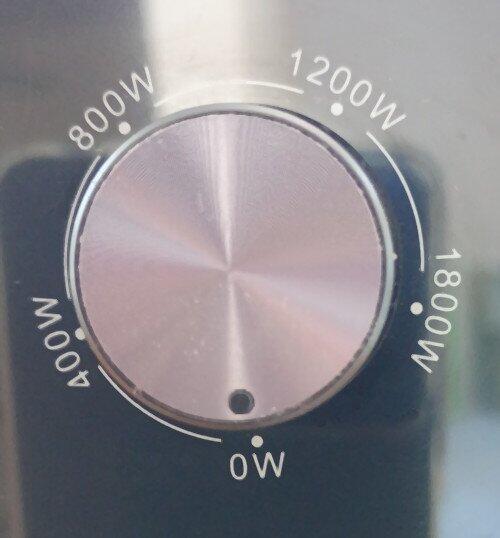
Ein Batteriesystem ist selten geräuschlos. Wechselrichter brummen mit 50 Hz, Lüfter drehen beim Laden oder starken Entladen hoch, und der Lärm kann durch dünne Garagenwände in ein angrenzendes Schlafzimmer dringen. OUKITEL P2001 Plus, Der Geräuschpegel bleibt beispielsweise unter 50 dB – etwa so laut wie ein leiser Kühlschrank –, wird aber in 1 m Entfernung unter kontrollierten Bedingungen gemessen. In einer gefliesten Garage mit harten Oberflächen kann dieser Schall reflektiert werden und sich doppelt so laut anfühlen. a.m. Wenn die Batterie zum Aufladen Netzstrom mit 1800 W bezieht, können bereits 45 dB einen geräuscharmen Schläfer wecken, wenn die Wand nicht schallisoliert ist.
Ein Hausbesitzer in einem Londoner Reihenhaus stellte eine tragbare Powerstation auf ein Metallregal, das an einer Trennwand zum Hauptschlafzimmer befestigt war. Die Vibrationen des Lüfters übertrugen sich direkt auf das Gebäude. p.m. Das Brummen war im Schlafzimmer hörbar – nicht laut, aber anhaltend genug, um den Schlaf zu stören. Nach einer Woche voller Beschwerden wurde das Gerät in einen hölzernen Gartenschuppen mit einer kleinen Elektroheizung verlegt – eine alles andere als ideale, aber notwendige Lösung.
Die bessere Lösung: Bauen Sie auf dem Garagenboden ein kleines, gut belüftetes Gehäuse aus 18 mm starkem MDF oder Sperrholz, ausgekleidet mit Akustikschaumstoff. Lassen Sie oben und unten einen 50 mm breiten Belüftungsspalt, damit die Wärme entweichen kann. Platzieren Sie die Batterie auf einer dicken Gummimatte, um sie vom Boden zu entkoppeln.Wenn die Wand zu einem Wohnraum hin ausgerichtet ist, sollte hinter der Gipskartonwand eine Schicht schweres Vinyl angebracht werden – nicht billig, aber dadurch wird die Schallübertragung um 5–8 dB reduziert, was oft den Unterschied zwischen „Ich höre es“ und „Ich nehme es nicht wahr“ ausmacht.
Häufig gestellte Fragen
Kann ich eine Lithiumbatterie in einer unbeheizten Garage lagern, in der es gelegentlich friert?
Ja, wenn das Einfrieren nur gelegentlich auftritt und der Akku währenddessen nicht geladen wird, schützt das Batteriemanagementsystem (BMS) ihn durch Blockieren des Ladevorgangs. Wiederholte Frostzyklen verkürzen jedoch die Lebensdauer geringfügig. Der Einbau einer kleinen, thermostatgesteuerten Heizung und die Isolierung des Akkugehäuses sind eine kostengünstige Maßnahme, die die volle Funktionsfähigkeit das ganze Jahr über gewährleistet.
Woran erkenne ich, ob die Luftfeuchtigkeit in meiner Garage für ein Batteriesystem unbedenklich ist?
Verwenden Sie ein digitales Hygrometer und überprüfen Sie die Messwerte über mehrere Tage. Liegt die relative Luftfeuchtigkeit dauerhaft über 70 %, ist die Kondensationsgefahr hoch. In diesem Fall benötigen Sie entweder eine verbesserte natürliche Belüftung (Querstromlüftung) oder einen kleinen Luftentfeuchter. Für die meisten LiFePO4-Akkus ist eine konstante relative Luftfeuchtigkeit von 40–60 % ideal und beugt feuchtigkeitsbedingter Korrosion vor.
Gibt es in Europa Sicherheitsvorschriften für Garagenbatterieinstallationen, die ich kennen sollte?
Die Vorschriften variieren von Land zu Land und sogar von lokalen Bauvorschriften. Es gibt keine einheitliche europaweite Regelung für die Aufstellung von Hausbatterien in Garagen. In der Praxis müssen Sie die örtlichen Elektrovorschriften einhalten (e.g. Beachten Sie die Hinweise zu Teil P in Großbritannien bzw. VDE in Deutschland) und befolgen Sie die Installationsanleitung des Herstellers. Im Zweifelsfall sollten Sie einen zertifizierten Elektriker hinzuziehen, der die Abstands-, Brandschutz- und Belüftungsvorschriften für Ihre Region bestätigen kann.
Die Garage eignet sich, wenn sie mit etwas Sorgfalt behandelt wird, hervorragend für ein Batteriesystem. Halten Sie sie mit einem Luftentfeuchter und guter Belüftung trocken, verhindern Sie mit einer kleinen Heizung und etwas Dämmung, dass die Temperatur unter den Gefrierpunkt sinkt, und schirmen Sie den Lärm ab, damit er nicht ins Schlafzimmer dringt. Das ist im Prinzip alles. Vernachlässigen Sie auch nur einen dieser drei Punkte, werden Sie Probleme haben, die völlig vermeidbar sind – meistens im ungünstigsten Moment, wenn die Batterie schon fast leer ist und Sie sie dringend brauchen.
Wenn Sie kleine Kinder haben, sollten Sie auch grundlegende Kindersicherungen im Bereich der Batterie in Betracht ziehen – ein Thema, das wir in unserem ausführlicheren Artikel behandeln. Leitfaden zur Kindersicherheit. Und wenn Sie bereit sind, ein Gerät auszuwählen, das den Bedingungen in einer Garage standhält, stöbern Sie in unserem Sortiment. tragbare Stromstationen Gefertigt mit LiFePO4-Chemie und einem breiten Betriebstemperaturbereich.
Dieser Artikel wurde unter Verwendung aktueller Quellen (Stand: Juli 2026) verfasst. Details können sich im Laufe der Zeit ändern – überprüfen Sie daher die aktuellen Angaben, bevor Sie sich darauf verlassen.
Latest articles
OUKITEL Power Brings Full-Scenario Energy Storage Solutions to Intersolar Middle East 2026 in Dubai

OUKITEL präsentiert Energiespeicherlösungen auf der Intersolar South America 2026 und beschleunigt Expansion in Lateinamerika
Der europäische Leitfaden für Hausbesitzer: Wärmepumpen-Kosten mit Batteriespeicher und intelligenten Tarifen senken
Dimensionierung von Solar und Batterie für eine Wärmepumpe im Winter: Ein Kälte-Leitfaden für Europa (Deutschland, Schweden, Ukraine)
Überlebensleitfaden für Wärmepumpen bei Stromausfall: So strecken Sie Ihre Batterie über mehrtägige Winterausfälle