C01
C01


Poradnik pojemności przenośnych stacji zasilania: od 222Wh do 2048Wh – co możesz zasilić? (2026)
Wybór odpowiedniej przenośnej stacji zasilania może być przytłaczający, gdy widzisz liczby takie jak 222Wh, 512Wh, 1229Wh czy 2048Wh. Każda wartość pojemności mówi Ci, ile energii może zmagazynować urządzenie i jak długo może zasilać Twoje sprzęty. Niezależnie od tego, czy planujesz weekendowy wypad na kemping, wyposażasz kampera, czy przygotowujesz się na zasilanie awaryjne podczas blackoutu, zrozumienie watogodzin (Wh) i przeliczanie jednostek, takich jak miliamperogodziny (mAh), jest kluczowe. Ten poradnik omawia każdy poziom pojemności – od kompaktowych modeli 222Wh aż po wydajne jednostki 2048Wh – wyjaśniając, co można nimi zasilić i pomagając dobrać pojemność do Twoich rzeczywistych potrzeb. Jeśli szukasz baterii o dużej pojemności, aby zasilić cały dom, tak naprawdę potrzebujesz przenośnej stacji zasilania o wysokiej pojemności – terminologia może się różnić między rynkiem elektroniki konsumenckiej a kategorią zasilania awaryjnego.
Jeśli interesują Cię absolutnie największe dostępne jednostki (często nazywane największymi powerbankami na świecie), omawiamy je w osobnym artykule: Największe powerbanki na świecie: co je wyróżnia?. Ten poradnik skupia się natomiast na pełnym spektrum od 222Wh do 2048Wh – zakresie, który faktycznie wykorzysta większość konsumentów.

Zrozumieć watogodziny (Wh) i miliamperogodziny (mAh) – jaka jest różnica?
Zanim porównasz pojemności, musisz wiedzieć, jak mierzy się magazynowanie energii. Watogodzina (Wh) to jednostka energii odpowiadająca jednemu watowi mocy zużywanemu przez godzinę. Mówi Ci bezpośrednio, ile całkowitej energii ma bateria. Na przykład stacja zasilania o pojemności 512Wh może dostarczać 512 watów przez godzinę lub 100 watów przez około 5,12 godziny (uwzględniając straty konwersji).
Wiele baterii konsumenckich (np. powerbanków do telefonów) jest oznaczonych w miliamperogodzinach (mAh). Aby porównać je z przenośną stacją zasilania, musisz przeliczyć mAh na Wh za pomocą tego wzoru:
Wh = (mAh × V) ÷ 1000
Gdzie V to napięcie baterii (zazwyczaj 3,7V dla ogniw litowo-jonowych). Na przykład powerbank o pojemności 48 000mAh (popularny do laptopów) przy 3,7V ma (48000 × 3,7) ÷ 1000 = 177,6Wh. To około jedna trzecia pojemności małej przenośnej stacji zasilania 512Wh. Dlatego często widzisz oznaczenia 48000mAh lub 78000mAh – odpowiadają one odpowiednio około 177Wh i 268Wh. W tym poradniku będziemy odnosić się do pojemności w watogodzinach, ponieważ to standard branżowy dla zasilania awaryjnego i sprzętu kempingowego.
Mała pojemność (222Wh – 288Wh): zasilanie najważniejszych urządzeń
Urządzenia z zakresu 222Wh do 288Wh (w tym 256Wh, 268Wh, 288Wh) są kompaktowe, lekkie i idealne na krótkie wyjazdy na zewnątrz lub jako osobisty pakiet zasilania. Mogą naładować smartfon 15–20 razy, zasilić laptopa na 3–5 pełnych ładowań lub obsłużyć mały aparat CPAP przez jedną noc. Typowe zastosowania obejmują:
- Weekendowy kemping w namiocie
- Spotkania na świeżym powietrzu i imprezy plenerowe
- Utrzymanie routera Wi-Fi i modemu podczas krótkiej przerwy w dostawie prądu
- Ładowanie baterii drona lub aparatu
Stacja o pojemności 268Wh może również zasilić mini lodówkę o mocy 50W przez około 4–5 godzin, choć najlepiej używać jej jako chłodziarki lub na krótkie okresy. Te urządzenia są na tyle małe, że mieszczą się w plecaku, co czyni je idealnymi na jednodniowe wycieczki, gdzie liczy się waga.
Średnia pojemność (512Wh – 720Wh): złoty środek na kemping i podróże
Kategorie 512Wh i 720Wh to najpopularniejsze pojemności do rekreacji na świeżym powietrzu. Na przykład jednostka 512Wh może zasilić przenośną lodówkę o mocy 45W przez 8–10 godzin, lampkę LED o mocy 20W przez ponad 24 godziny oraz ładować jednocześnie wiele telefonów i tabletów. Z 518Wh lub 720Wh zyskujesz dodatkowy czas pracy dla małej chłodziarki elektrycznej lub telewizora 60W przez kilka godzin.
Typowe scenariusze dla 512Wh do 720Wh obejmują:
- Podróże kamperem z umiarkowanym zapotrzebowaniem na energię (oświetlenie, lodówka, wentylator, ładowanie urządzeń)
- Kemping samochodowy, gdzie waga nie jest krytyczna, ale przestrzeń jest ograniczona
- Zasilanie awaryjne urządzeń medycznych, takich jak aparat CPAP (większość pobiera 30–60W)
- Zasilanie koca elektrycznego o niskiej mocy przez noc
Te stacje zwykle ważą około 5–7 kg i można je nosić jedną ręką. Stanowią równowagę między przenośnością a użyteczną energią.
Duża pojemność (1229Wh – 2016Wh): moc do urządzeń AGD i zasilania awaryjnego
Przejście do 1229Wh, 1260Wh i aż do 2016Wh otwiera możliwość zasilania większych urządzeń domowych. Stacja 1229Wh może zasilić lodówkę o mocy 150W przez około 6–7 godzin, mikrofalówkę 700W przez około 1,5 godziny lub telewizor LED 50″ przez ponad 10 godzin. Bateria 2000Wh (2016Wh) znacznie wydłuża ten czas – na przykład lodówka 150W może działać prawie 11 godzin, a czajnik elektryczny 600W może zagotować wodę kilka razy.
Kluczowe zastosowania dużej pojemności (1229Wh do 2016Wh):
- Zasilanie awaryjne domu podczas krótkich blackoutów (oświetlenie, lodówka, pompa, router internetowy)
- Imprezy plenerowe z grillem elektrycznym i blenderem
- Zasilanie elektronarzędzi na budowie (piły tarczowe, wiertarki, kompresory)
- Kamper lub mały van z lodówką 12V i płytą indukcyjną
Wiele urządzeń w tym zakresie obsługuje również inwertery czystego sinusa dla wrażliwej elektroniki i może być ładowanych z paneli słonecznych, co zapewnia zrównoważone działanie off-grid.
Bardzo duża pojemność (2048Wh): zasilanie awaryjne całego domu i urządzeń o wysokim poborze mocy
Poziom 2048Wh to flagowa pojemność do poważnego zasilania awaryjnego domu i intensywnego użytku na zewnątrz. Stacja taka jak OUKITEL P2001 Plus, z baterią LiFePO₄ o pojemności 2048Wh i inwerterem czystego sinusa 2400W, może zasilić:
- Lodówkę 150W przez 11–13 godzin
- Mikrofalówkę 700W przez prawie 2,5 godziny
- Czajnik elektryczny 1200W przez około 1,5 godziny
- Telewizor 200W + oświetlenie + ładowanie telefonu przez cały wieczór
- Wiele aparatów CPAP przez całą noc
- Elektronarzędzia, takie jak piła ukośna 1500W (moc szczytowa do 4800W)
Ponieważ pojemność 2048Wh jest bliska górnej granicy dozwolonej do przewozu samolotem (większość linii lotniczych ogranicza do 100Wh), te urządzenia są zwykle używane na ziemi: w domach, kamperach, na budowach lub jako rozwiązania do zasilania awaryjnego całego domu. Dzięki obejściu UPS 1400W (EPS z przełączeniem <10ms) mogą bezproblemowo chronić komputery i sprzęt medyczny.
Dla osób poszukujących jeszcze większych pojemności (powyżej 2048Wh), zobacz nasz artykuł Największe powerbanki na świecie: co je wyróżnia?, aby zrozumieć kompromisy w rozmiarze, wadze i koszcie.
Jak wybrać odpowiednią pojemność do swoich potrzeb
Wybór odpowiedniej pojemności przenośnej stacji zasilania zależy od trzech czynników:
- Całkowita liczba watogodzin urządzeń, które chcesz zasilać. Zsumuj moc każdego urządzenia (spójrz na etykietę) i pomnóż przez liczbę godzin, przez które planujesz go używać. To da Ci dzienne zapotrzebowanie na energię w Wh. Następnie dodaj 20% zapasu na straty inwertera.
- Wymagania dotyczące mocy szczytowej. Niektóre urządzenia (lodówki, pompy, kompresory) mają rozruchowy skok mocy, który może być 2–3 razy większy niż ich moc robocza. Upewnij się, że stacja zasilania poradzi sobie z tym obciążeniem.
- Przenośność a pojemność. Jednostka 222Wh waży około 2 kg i mieści się w plecaku; jednostka 2048Wh waży około 22 kg i wymaga wózka lub podnoszenia przez dwie osoby. Bądź realistą co do tego, jak będziesz ją transportować.
Oto szybka tabela referencyjna dla typowych zastosowań:
| Zakres pojemności | Najlepszy do | Przykładowy czas pracy urządzenia (lodówka 50W) |
|---|---|---|
| 222Wh – 288Wh | Telefon, laptop, małe oświetlenie, CPAP (1 noc) | 4–5 godzin |
| 512Wh – 720Wh | Kemping, podróże kamperem, przenośna lodówka, TV | 8–13 godzin |
| 1229Wh – 2016Wh | Zasilanie awaryjne domu, elektronarzędzia, mikrofalówka | 10–16 godzin |
| 2048Wh | Intensywne zasilanie awaryjne, całodniowe zasilanie, wiele urządzeń | 11–13 godzin |
Dla większości użytkowników jednostka 512Wh jest idealna na weekendowy kemping, podczas gdy 1229Wh lub 2016Wh sprawdzi się w kamperze lub do umiarkowanego zasilania awaryjnego. Jeśli planujesz zasilać lodówkę, zamrażarkę, oświetlenie i mikrofalówkę podczas wielodniowego blackoutu, poziom 2048Wh daje Ci wystarczający zapas, aby robić to komfortowo.
Pamiętaj, że technologia baterii też ma znaczenie. OUKITEL P2001 Plus wykorzystuje chemię LiFePO₄ o żywotności 3500+ cykli (ponad 10 lat codziennego użytkowania), podczas gdy niektóre konkurencyjne produkty mogą używać baterii NMC, które degradują się szybciej. Ta trwałość sprawia, że wyższy koszt początkowy jest opłacalny, jeśli planujesz regularnie używać stacji.
Zwróć też uwagę na szybkość ładowania. P2001 Plus może naładować się od 0% do 80% w zaledwie 1 godzinę dzięki wejściu AC 1800W, a pełne naładowanie zajmuje 1,5 godziny. Oznacza to, że możesz doładować podczas przerwy na lunch i być gotowym na wieczór. Ładowanie słoneczne 500W daje również elastyczność pozostania off-grid przez dłuższy czas.
Najczęściej zadawane pytania dotyczące pojemności przenośnych stacji zasilania
Co może zasilić przenośna stacja zasilania 512Wh?
Przenośna stacja zasilania 512Wh może zasilić przenośną lodówkę o mocy 45W przez około 8–10 godzin, naładować laptopa 5–7 razy, zasilić lampę LED 20W przez ponad 24 godziny oraz utrzymać naładowane wiele telefonów i tabletów. Może również obsłużyć mały aparat CPAP przez jedną noc lub telewizor 60W przez około 6 godzin. Jest idealna na weekendowe wypady na kemping i krótkie wyjazdy kamperem.
Jak długo przenośna stacja zasilania 2048Wh zasili lodówkę?
Przenośna stacja zasilania 2048Wh może zasilić nowoczesną lodówkę 150W przez około 11–13 godzin przy normalnym użytkowaniu. Jeśli lodówka cyklicznie się włącza i wyłącza (co robi), rzeczywisty czas pracy może wydłużyć się do 15–18 godzin. Mniejsza mini lodówka 50W może działać przez 30–40 godzin. Zawsze uwzględniaj skoki mocy rozruchowej, jeśli kompresor włącza się często.
Jak przeliczyć mAh na Wh dla przenośnych stacji zasilania?
Aby przeliczyć miliamperogodziny (mAh) na watogodziny (Wh), użyj wzoru: Wh = (mAh × V) ÷ 1000, gdzie V to napięcie baterii (zazwyczaj 3,7V dla ogniw litowo-jonowych). Na przykład powerbank 48 000mAh przy 3,7V ma (48000 × 3,7) ÷ 1000 = 177,6Wh. Przenośne stacje zasilania zwykle podają pojemność bezpośrednio w Wh, ponieważ działają przy wyższych napięciach (np. 48V).
Czy bateria 2000Wh wystarczy do zasilania awaryjnego domu podczas blackoutu?
Bateria 2000Wh (np. jednostka 2016Wh lub 2048Wh) może zapewnić sensowne zasilanie awaryjne domu podczas krótkiego blackoutu (4–8 godzin). Może zasilić lodówkę, kilka lamp, laptopa i router Wi-Fi. W przypadku dłuższych przerw lub zasilania urządzeń o wysokim poborze mocy, takich jak dmuchawa pieca, pompa głębinowa czy klimatyzacja centralna, potrzebna byłaby większa pojemność (np. 5120Wh) lub wiele jednostek. Według amerykańskiej Agencji Informacji Energetycznej, przeciętny amerykański dom zużywa około 30 kWh dziennie, więc stacja 2000Wh pokrywa około 6–7% dziennego zapotrzebowania, co wystarcza tylko dla kluczowych obwodów.
Jaka jest różnica między przenośną stacją zasilania a tradycyjnym generatorem?
Przenośna stacja zasilania magazynuje energię w baterii i dostarcza czyste, ciche zasilanie AC za pomocą inwertera. Nie emituje spalin, nie wymaga paliwa i nie ma ruchomych części (poza wentylatorami chłodzącymi). Tradycyjny generator używa benzyny lub propanu do wytwarzania energii elektrycznej, jest głośny, emituje spaliny i wymaga regularnej konserwacji. Przenośne stacje zasilania są lepsze do użytku wewnątrz i do wrażliwej elektroniki, podczas gdy generatory oferują nieograniczony czas pracy z paliwem, ale są cięższe i głośniejsze.
Latest articles
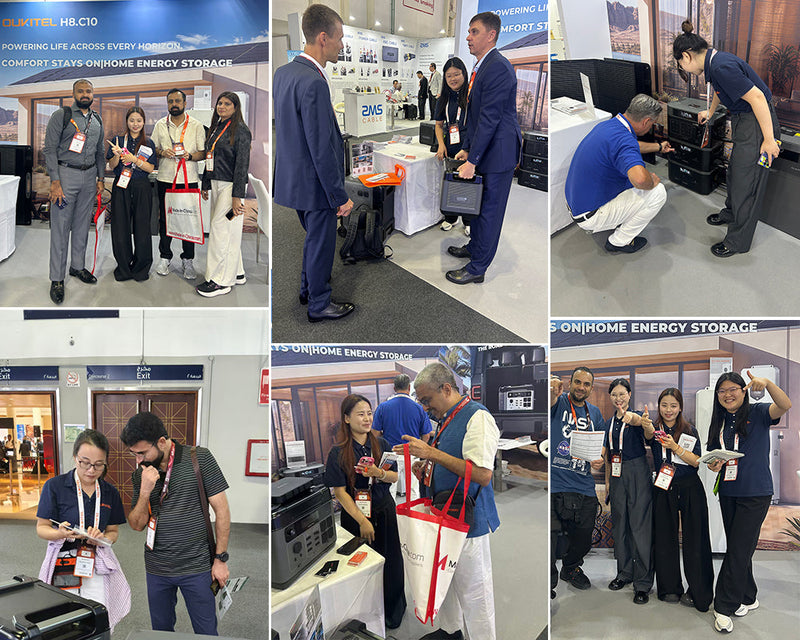
OUKITEL Power Brings Full-Scenario Energy Storage Solutions to Intersolar Middle East 2026 in Dubai
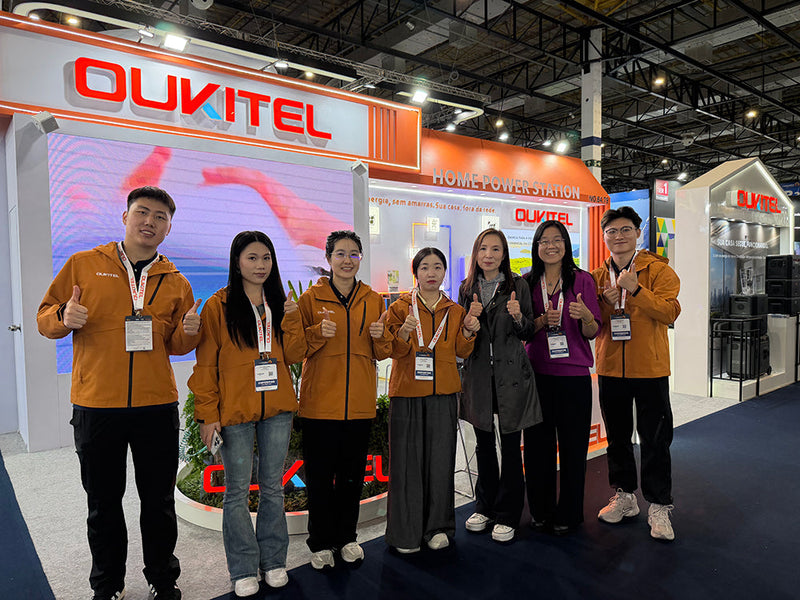
OUKITEL prezentuje rozwiązania do magazynowania energii na targach Intersolar South America 2026, przyspieszając ekspansję w Ameryce Łacińskiej
Europejski przewodnik właściciela domu: jak obniżyć rachunki za pompę ciepła dzięki magazynowaniu energii i inteligentnym taryfom
Dobór mocy paneli słonecznych i baterii do zimowej pompy ciepła: poradnik dla zimnego klimatu w Europie (Niemcy, Szwecja, Ukraina)
Poradnik przetrwania blackoutu z pompą ciepła: jak wydłużyć działanie baterii podczas wielodniowych zimowych przerw w dostawie prądu